Breakdown Kits
Breakdown kits come down to what you want covered and how much space you’ve got in the vehicle. A compact car emergency kit is usually enough for basic roadside cover. A fuller vehicle emergency kit makes more sense if you want warning gear, first aid and the bits that get missed when the job runs late. Bulk is the snag. If a pack is awkward to stow, it often stays at home.
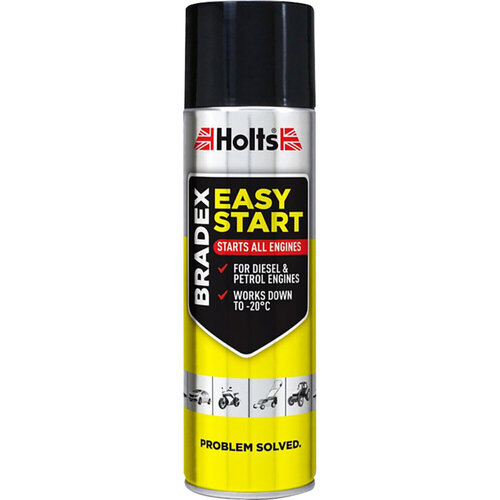
Bradex Easystart - 300ml
300ml Bradex Easy Start spray, assists engine starting in all weather, works to …
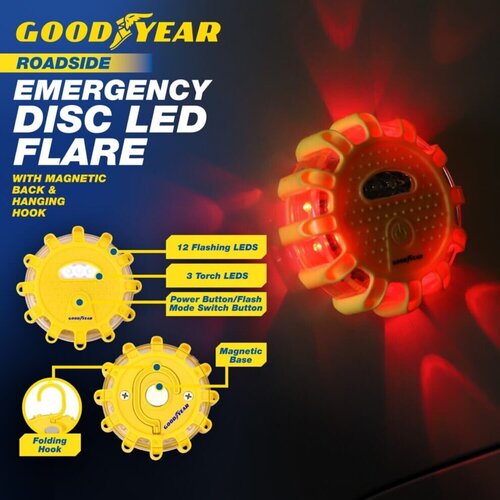
Goodyear Emergency Warning Triangle Disc LED Car Safety Light Beacon Magnetic
Magnetic LED warning triangle for roadside safety
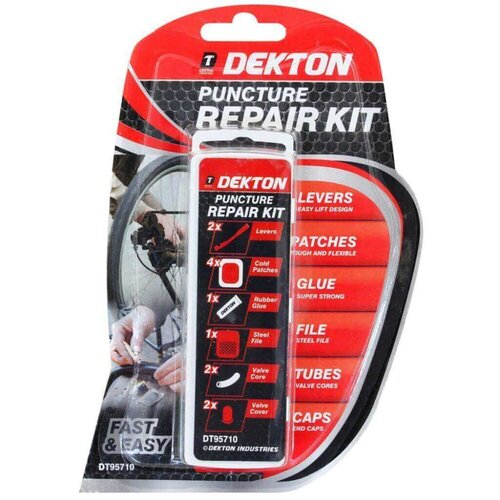
Dekton Puncture Repair Kit
Tyre puncture repair kit with cold patches, glue, levers and steel file.
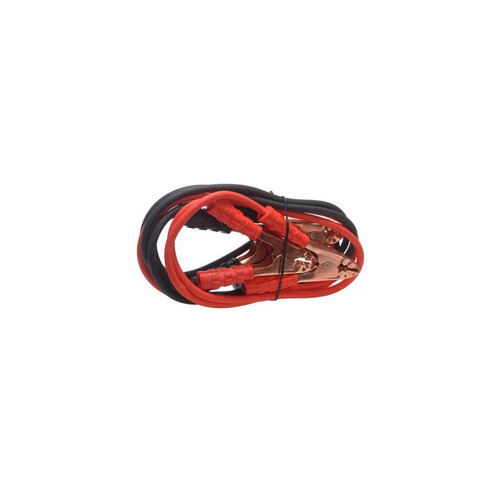
Silverhook SSJL200 Jump Leads 200amp - 2.5m
SSJL200 200amp jump leads for vehicle starting, 2.5m length.
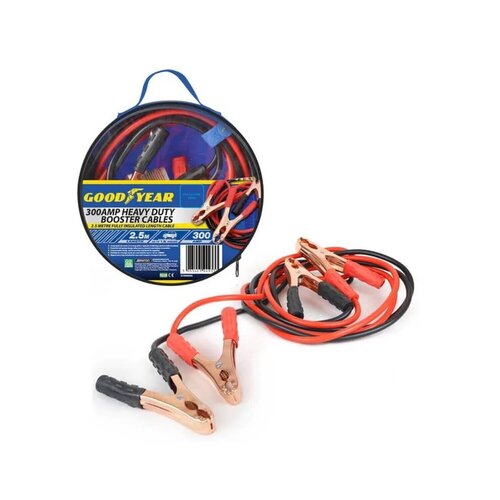
Goodyear Jump Leads 2.5m 300amp Booster Cables Car Van in Bag 900045 - 2.5 Metre…
2.5m 300 Amp jump leads with coil clamps and storage bag
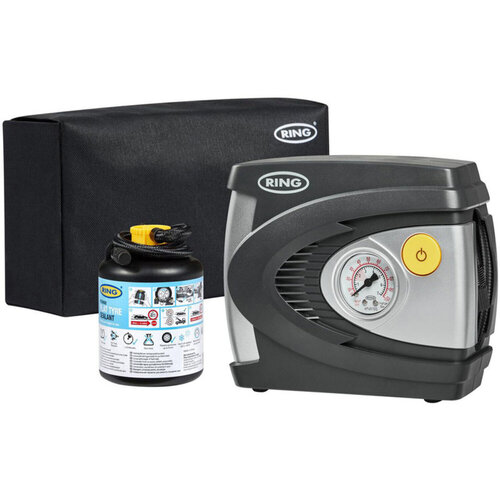
Ring Flat Tyre Emergency Repair Kit - RTK6
Ring RTK6 flat tyre repair kit with RAC610 compressor, repairs up to 6mm
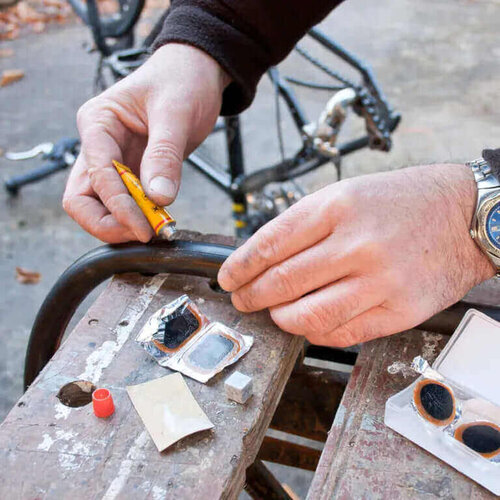
Dekton DT95715 Puncture Repair Kit Without Lever
Complete puncture repair kit for quick repairs on the move
For the Trade
Start with the space you’ve got in the vehicle and how often it will be used. If it stays in a van or car all day, you can carry a more complete car emergency kit without it getting in the way. If it is only there for occasional cover, a smaller vehicle emergency kit is usually easier to keep to hand. The mistake is buying on contents alone, then finding it awkward to store or slow to grab when you need it. Once the layout is right, the rest comes down to how much you want covered.
Popular Breakdown Kit Formats
The first split is usually between a basic car breakdown kit and a fuller vehicle breakdown kit. The smaller car emergency kit suits a private car or a vehicle that only needs the essentials kept on board. A more complete vehicle emergency kit works when you want broader cover without building it up yourself.
A roadside breakdown kit is the pick when you want something easy to reach. You give up some extras, but it stays simpler to handle. A breakdown recovery kit sits a step up from that, giving you a more complete roadside emergency kit rather than a bare minimum pack.
For the wider Breakdown & Travel range, it comes down to how much you want in one place and how much room you’re willing to give it.
Key Differences When Choosing
What usually decides it is how much room you can spare and whether the kit needs to stay in the vehicle all the time. A car emergency kit suits the basics when you want it kept tidy and out of the way. A fuller vehicle emergency kit makes more sense when it stays as part of the vehicle’s regular setup and the extra bulk is not a problem.
For a fleet or shared vehicle, a vehicle safety kit is often the cleaner pick because it is easier to standardise. If space is tight, do not overbuy the contents and end up with a box that gets shoved aside. If you are already carrying other kit, Roof Boxes can matter more than people think, and Bike Carriers can change what will actually fit in the boot.
Next Decisions After Choosing
Once you’ve picked the right breakdown kits, the next call is where it lives in the vehicle. In a van or shared car, a storage case is worth more than a loose pack. It keeps the kit together and easy to find when you need it.
Winter use changes the setup. Add ice scrapers or snow tools only where the vehicle actually sees that weather. Roof boxes and bike carriers also take up space, so they affect where the kit can sit and how quickly you can get to it.
Related searches
Local availability for Breakdown Kits



