Caravan Hook Up Points
When you’re choosing caravan hook up points, start with how many outlets you need and whether the job calls for metered or non-metered supply. A single point suits a small pitch or like-for-like replacement, while multi-way units make more sense when you’re feeding several bays from one position. Check the protection and enclosure spec as well. The units that get called back are usually the ones picked on price alone, not for weather exposure or the way the cable entry is arranged.
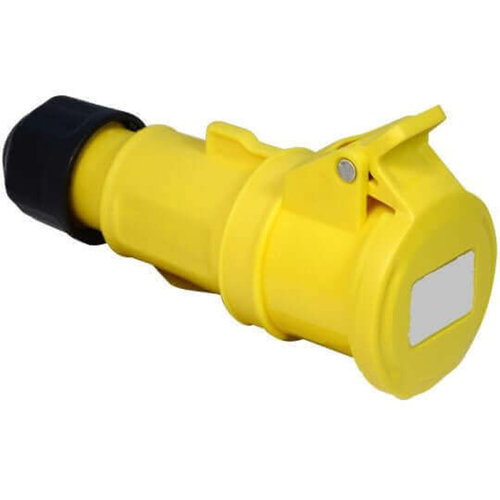
Famatel IP44 Connector - 110V 2P+E 4h 32A Yellow
Yellow 110V 32A 2P+E connector, IP44 rated
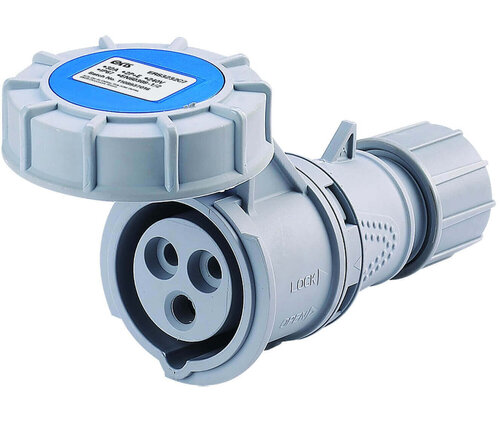
Eris Industrial IP67 Industrial Connector - 32A, 2P+E, 240V Blue
IP67 industrial connector, 32A 2P+E 240V, blue
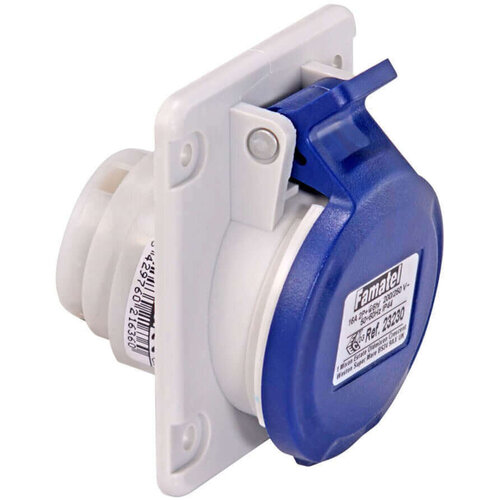
Famatel IP44 Angled Panel Socket - 240V 2P+E 6H 16A Blue
240V 16A 2P+E IP44 angled panel socket, blue

Easee 2 Way Pedestal Unit - 1500mm Black Coated
2-way pedestal unit for Easee Charging Robots, 1500mm, black
For the Trade
Space and use come first with caravan hook up points. That usually fixes the format before you get into finishes or extras. If the pitch is tight, wall space is limited, or you need a cleaner run back to the supply, the choice narrows fast. On busier sites, layout and how often the point gets used matter more than cosmetic details. The wrong position causes grief later. Look at cable access, how exposed the point will be, and whether you need a simple replacement or a more complete pitch setup.
Caravan Hook Up Point Types and Layouts
A single caravan electric hook up suits one connection and keeps the layout simple. A caravan site hook up suits several pitches fed from the same point, so you can cover more ground without fitting separate units.
Choose a caravan hook up socket when you only need one outlet. Go for a grouped caravan power connection when you want to keep the install tighter and reduce the number of separate posts or boxes.
The trade-off is practical. More outlets in one point means more to manage on access, cable runs and site layout. If you’re matching the rest of the scheme, start from Power Distribution & Circuit Protection and work back from there.
What to Check Before You Buy
Check the supply first, then the layout around it. A single outlet caravan hook up point suits a simple pitch or a like-for-like swap. Multi-way units make more sense when you’re feeding several bays from one position and want to keep the run tidy.
If the site has heavier demand or you’re tying into a more involved distribution set-up, look at the next step up and compare it with 3 Phase Distribution rather than trying to make a standard unit do the job. For the finishing bits and enclosure details, check Consumer Unit Accessories at the same time. The small parts are often what decide whether the install goes in cleanly or turns awkward.
Useful Alongside Caravan Hook Up Points
Once the caravan hook up points are chosen, the next buy is usually the bits that keep the pitch tidy and serviceable - the mounting panel or post, the weather cover, and the cable entry gear. Leave those to site scraps and you’ll be back later for a loose faceplate or a poor gland arrangement.
If the run is exposed, go for the tougher enclosure and proper fixings rather than trying to make a lighter box do the same job. On longer pitches, the cable and termination accessories matter just as much as the socket itself. The install stays neat when the connection point and the surrounding finish are matched properly.
Local availability for Caravan Hook Up Points