Wood Dye
Wood dye gives you colour in the timber without building a heavy film. Start with how much grain you want left showing, then decide how even the finish needs to be. Water based products are usually the cleaner, quicker option for interior work. Solvent based versions suit jobs where you want more working time or a deeper tone. Bare softwood, hardwood and previously sanded stock all take it differently, so sample mismatch is the main thing to watch.
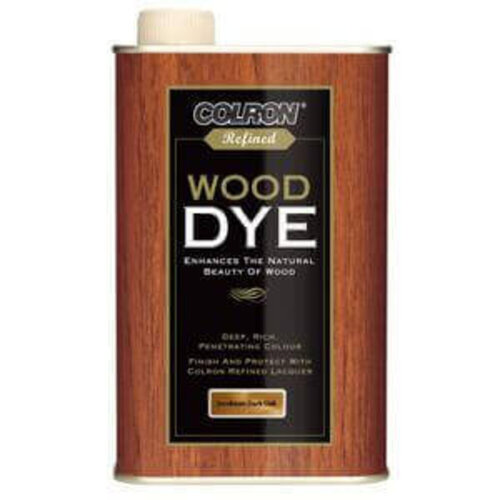
Colron Refined Wood Dye - 500ml Jacobean Dark Oak
500ml Jacobean Dark Oak interior wood dye with light fast pigments
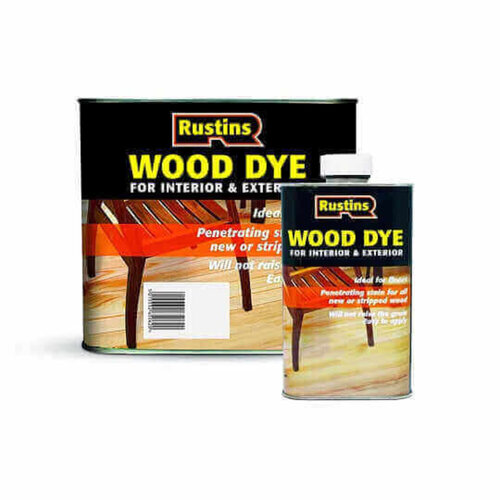
Rustins Wood Dye - 250ml Light Teak
Light Teak wood dye, 250 ml
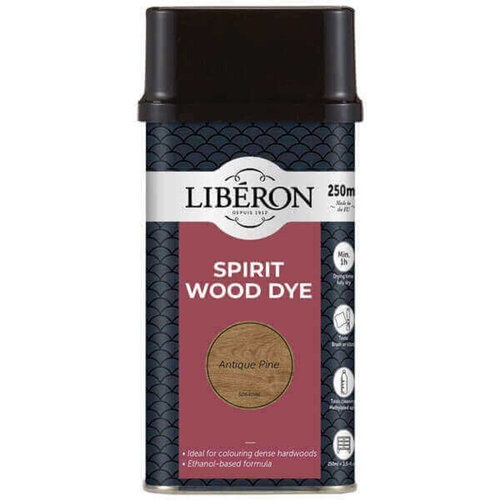
Liberon Spirit Wood Dye - 250ml Teak
Liberon Spirit Wood Dye in Teak, 250 millilitres
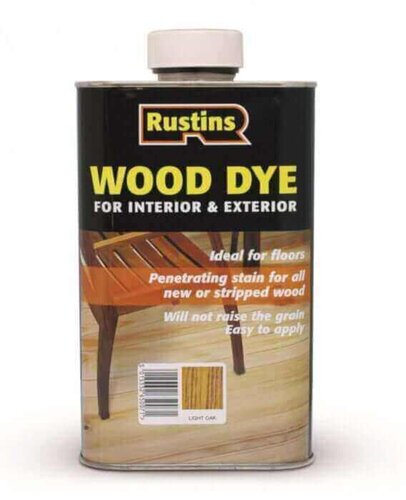
Rustins Wood Dye - 250ml Dark Teak
Quick drying wood dye for interior and exterior bare wood, in Dark Teak.
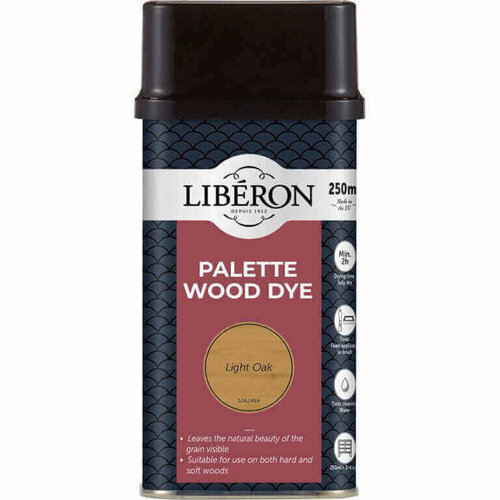
Liberon Palette Wood Dye - 250ml Light Oak
250ml water-based Light Oak wood dye, touch dry in 2 hours
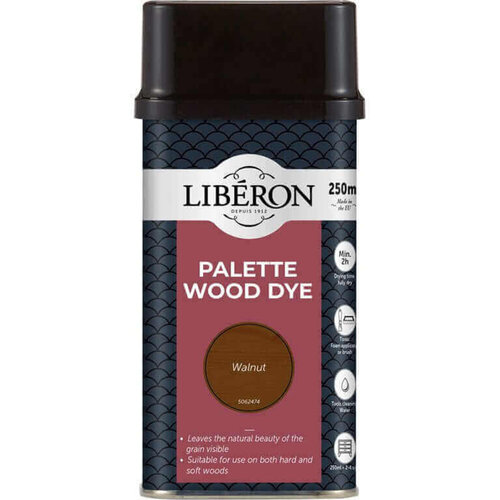
Liberon Palette Wood Dye - 250ml walnut
Water-based interior wood dye in walnut, 250ml
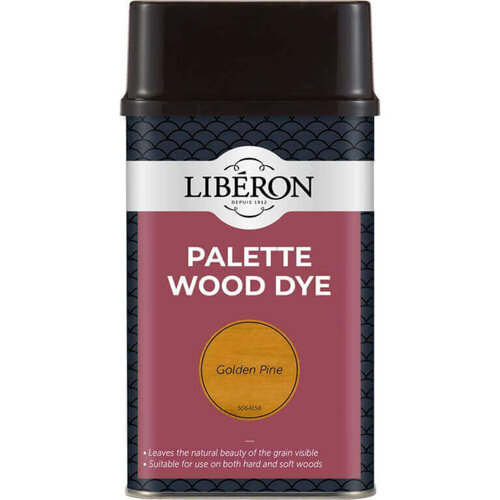
Liberon Palette Wood Dye - 500ml Golden Pine
Liberon Palette wood dye in Golden Pine, 500ml.
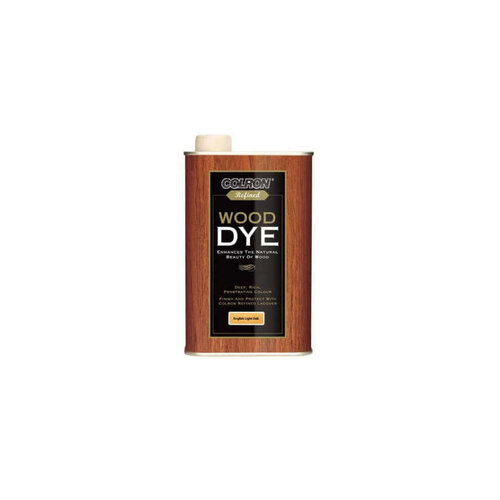
Colron Refined Wood Dye - 500ml English Light Oak
Deeply penetrative interior wood dye in English Light Oak, 500ml
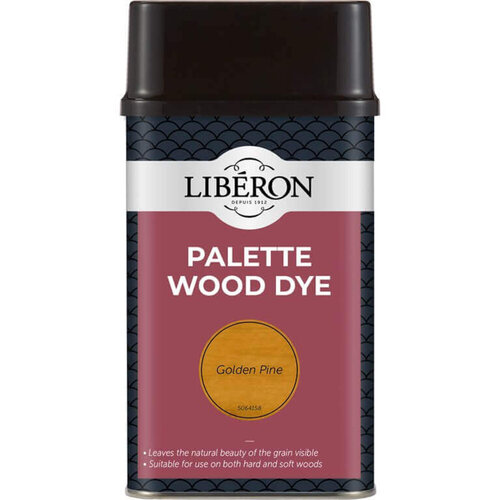
Liberon Palette Wood Dye - 250ml Golden Pine
Water-based wood dye for interior woodwork, 250ml Golden Pine
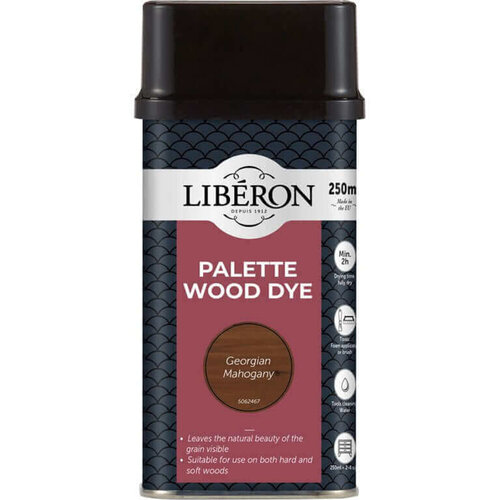
Liberon Palette Wood Dye - 250ml Georgian Mahogany
Georgian Mahogany wood dye in a 250ml tin
For the Trade
What matters first is the finish you need and how much working time you’ve got. A wood dye that goes on evenly and dries fast suits repeat work on doors, cabinets and joinery. Slower products give you more room to keep the colour steady across larger areas. If you need a deeper tone without hiding the grain, that usually points you here rather than a heavier coating. The call-back jobs are nearly always the ones where the colour was pushed too hard or the timber wasn’t uniform, so matching the dye to the substrate matters more than chasing a shade chart.
Types of Wood Dye
For most jobs, you’re choosing between a quicker water based wood dye and a slower solvent based wood dye. Water based products usually suit internal work when you want faster turnaround and easier clean-up. Solvent based options give you more working time on larger pieces or awkward sections where lap marks are a risk.
Floors, furniture and cabinets need a different balance. You’re weighing colour control against how much handling the surface will take. Exterior wood dye is another call. For anything outside, keep you looking at Exterior Paint & Woodcare rather than forcing an interior product to do a job it wasn’t bought for.
Selection Factors for Wood Dye
Start with where the timber’s going and how much working time you need. Water based wood dye is usually the cleaner pick when you want quicker turnaround and easier brush-out. Solvent based wood dye gives you more open time on larger pieces, but it can be less forgiving if you’re trying to keep a wet edge.
For exterior work, Garden Furniture Paint is the route when you need more surface build. Decking Paint & Stain suits timber that’s taking more wear underfoot. The main trade-off is handling. The wrong dye can flash off too fast or leave you chasing lap marks.
Finish the Room
Once you’ve picked the colour, the next call is what else needs finishing around it. If the job runs into panels, screens or fitted storage, keep the surrounding finish in the same family so you’re not mixing sheen and tone across the room.
Where the timber takes more wear, a tougher finish usually makes more sense than chasing a deeper colour alone. On exterior joinery, wood dye is often only part of the spec - you may still be looking at decking paint and stain or garden furniture paint for adjacent pieces, because those products are chosen for different exposure and handling.
Related searches
Local availability for Wood Dye






