Watering Cans
Watering cans usually come down to reach, capacity and how much weight you want in your hand. Small indoor watering cans are easier to control and less likely to spill, while larger cans suit longer rounds but get awkward once they’re full. Plastic is lighter and cheaper to handle. Metal or galvanised cans feel sturdier and usually last better if they’re being knocked about. A long spout helps where you need to get under foliage or into tight rows, and that is often the detail that saves you coming back to tidy up a wet mess.
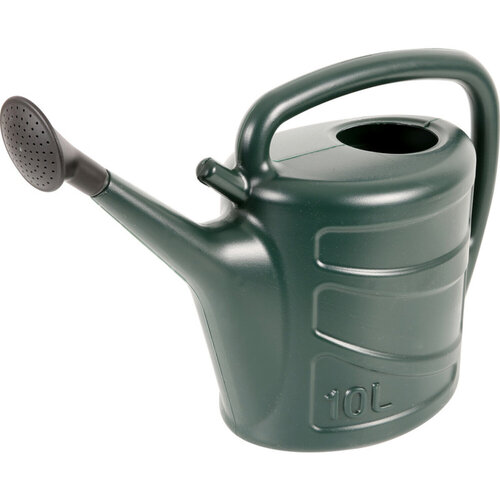
Watering Can - Green 10L
Green 10L watering can with detachable rose and wrap-around handle
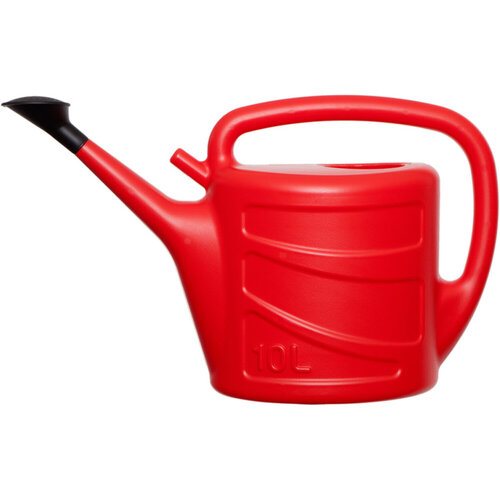
Watering Can - Red 10L
Red 10L watering can with detachable rose and wrap-around handle
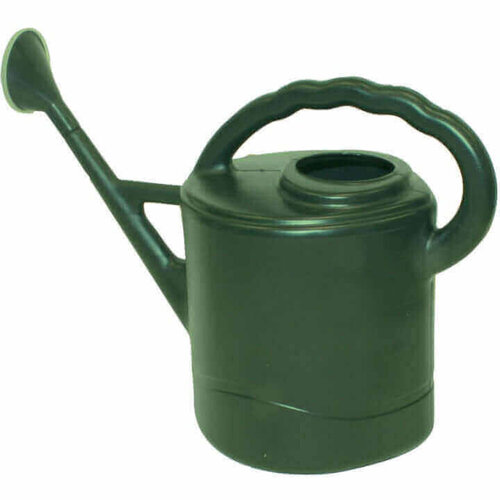
Watering Can with Rose - Green
Green watering can with rose attachment for gentle watering
For the Trade
You’re usually choosing watering cans on three things: reach, capacity, and where you’re using them. For tight beds and pots, a smaller can is easier to control and less likely to spill when you’re working round staging or shelves. For longer rounds, a bigger can cuts down trips, but once it’s full it gets awkward fast, especially if you’re carrying it up steps or across a site. Indoor watering cans tend to be the neater pick for house plants and greenhouse work. A long spout and a steady rose matter more there than volume.
Popular Watering Can Formats
Metal watering cans suit jobs where you want a firmer feel and a bit more weight in hand. Galvanised watering cans are the tougher pick for sheds, rough handling and regular site use. The trade-off is simple - they feel less light and nimble than plastic options.
Indoor watering cans work better for pots, benches and greenhouse work. They give you more control in close quarters and stay less clumsy when space is tight.
Trade watering cans sit at the harder-wearing end of the range. You pay for handling and durability rather than shape or finish.
Key Differences When Choosing
Material usually comes first. Plastic watering cans are lighter to carry and easier on the wrist when you’re doing repeated fills. Metal watering cans feel firmer in use and can sit better when you’re moving across a site or greenhouse bench.
Galvanised cans suit jobs where knocks and rough handling are part of the day, though they do add weight. Size matters just as much. Small watering cans work better where space is tight. Large watering cans cut down on refills if you’ve got the room to carry them. If you’re feeding from a tap or hose setup, check Hose Tap Connectors and Garden Hoses before you settle on the can.
Next Decisions After Choosing
Once you’ve picked the can, the next call is where it’s kept and how often you’ll use it.
For pots, benches and greenhouse work, indoor watering cans with a long spout give you better control without overfilling the tray. They suit close work where a heavier can would slow you down.
For larger rounds outside, a bigger can cuts down on trips. It gets awkward fast if you’re carrying it across site all morning.
If you’re feeding from a butt or tap, the hose side matters too. A decent set of garden hoses and hose tap connectors helps avoid poor fitment and leaks.
Related searches
Local availability for Watering Cans


