Injury & Joint Support
When you’re choosing injury and joint support, start with where the strain is and how much movement you need to keep. A sleeve or compression support usually suits general ache and swelling because it stays low-profile under work gear. Support straps and braces give more local hold when a joint needs controlling rather than just compression. More support usually means more bulk and less freedom, so the wrong fit is the one that stays in the bag after day one.
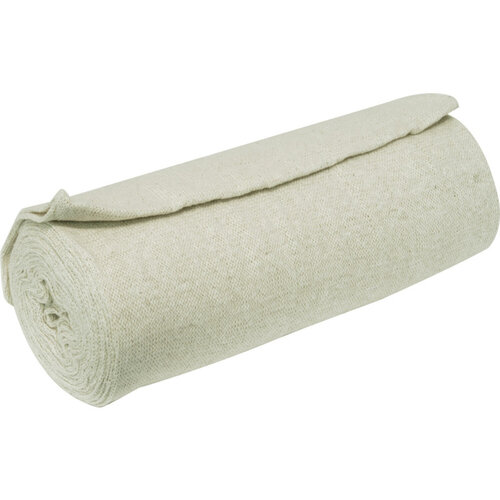
Stockinette Roll - 400g
400g stockinette roll, 52% cotton, 48% polyester
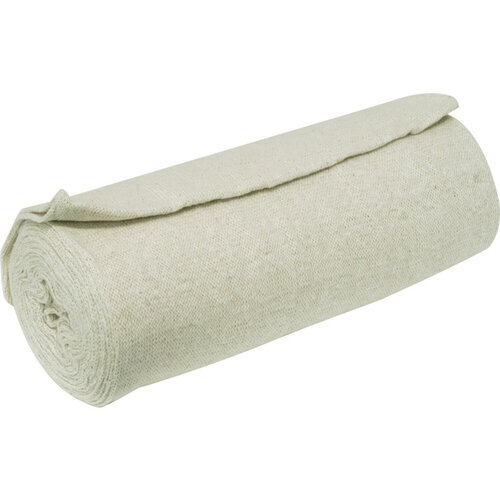
Stockinette Roll - 800g
800g stockinette roll made from 52% cotton and 48% polyester
For the Trade
Start with how much room you’ve got and how the job will be used, because that usually decides the shape before you look at finishes or extras. In injury and joint support, a low-profile option is easier where movement matters and bulk gets in the way. A firmer build makes more sense if you need steadier hold through the shift. Compression support is usually the first call for general wear and swelling. If the issue is more localised, support straps or support braces are the better fit. The main mistake is buying too much restriction for a job that still needs flexibility.
Popular Injury & Joint Support Formats
If you’re picking injury and joint support for a job, the first split is usually between light compression and something with more local hold. Sleeves and wraps suit general ache, swelling, or a joint that needs a bit of support through the day. They sit easier under kit, but they won’t control movement as much.
Support straps and support braces make more sense when you want the support focused around one area. They give you more hold, but they can feel bulkier and less forgiving if the job means a lot of bending or kneeling. That’s the trade-off across PPE - what needs holding, and how much freedom you can give up.
Key Differences When Choosing
For injury and joint support, start with how much hold you need against how much movement you still want. A lighter compression support works when you need something low-profile under kit and only mild restriction. Support straps and support braces suit jobs where you want pressure focused around one joint.
Firmer options usually feel more secure, but they add bulk and can get in the way if you’re bending all day. If the job also means changing into Disposable Overalls or working around noise, factor that in before you buy. Fit and bulk matter more than most lads expect. For jobs where hearing kit is part of the day, Ear Protection is the other bit to sort alongside it.
Next Decisions After Choosing
Once you’ve picked the main support, the next call is what the job needs around it. On a longer programme, keep disposable overalls and ear protection in the same order. They’re the bits that usually get missed until the last minute.
That second run out is often what slows a job down, not the support itself. On bigger sites, check what’s already being worn. If the team is in gloves or on their knees a lot, the support choice can change how much extra kit you need to keep them moving through the day.
Related searches
Local availability for Injury & Joint Support

