Tile Saws
Tile saws come down to what you’re cutting most often and how much control you need on the day. A wet tile cutter is usually the pick for cleaner, cooler cuts on harder porcelain and thicker pieces. Bench tile saws suit repeat work where you want a steadier feed and less handling. If you’re only doing a few cuts and moving between jobs, a more portable electric tile cutter can make more sense, but you give up some capacity and stability.
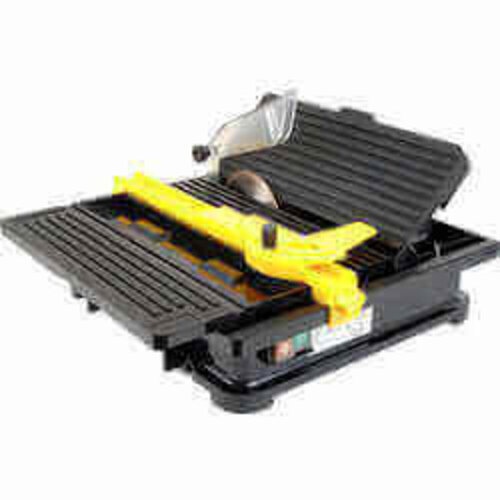
QEP Diamond Wheel Wet Tile Cutter - 450W
450W wet tile cutter with 23mm cut depth, lightweight at 3.75kg
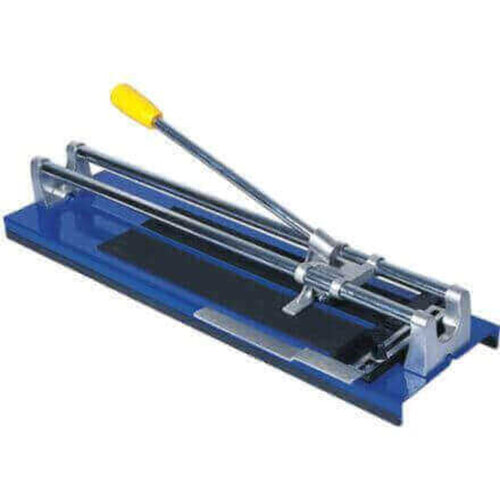
Tile Rite Manual Tile Cutter - 600mm
Manual tile cutter for tiles up to 600mm length and 12mm thick
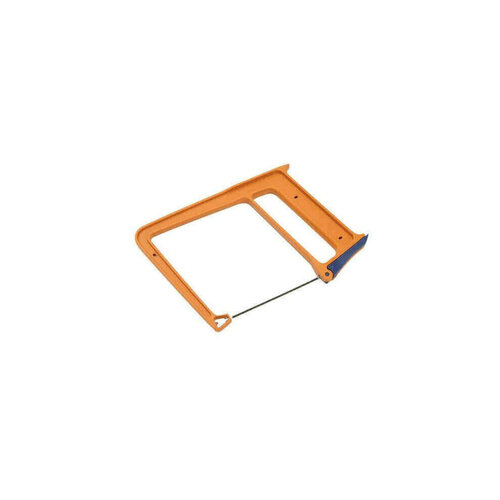
Vitrex Tile Saw
Tile saw with 150mm tungsten carbide blade, deep frame and quick-release lever
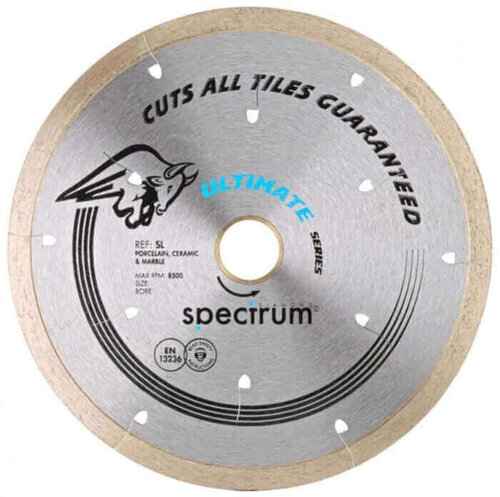
Spectrum SL-PRO Ultimate Tile Diamond Blade - 230mm
Spectrum SL-PRO 230 mm diamond blade with fine cut, S-slot cooling, and noise re…
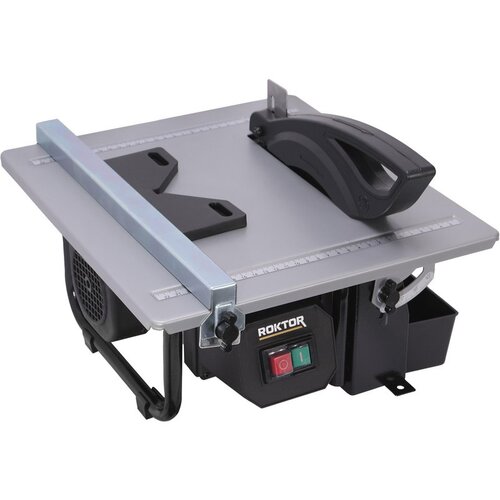
ROKTOR 230V 600W Electric Tile Cutter - 230V
ROKTOR 600W electric tile cutter with a 180 millimetre diamond blade
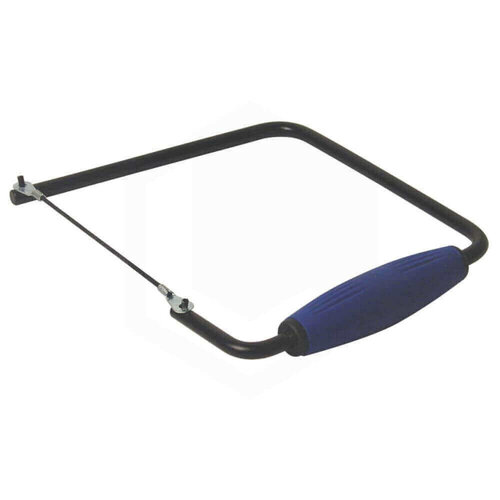
Vitrex Deep Frame Tile Saw
Deep frame tile saw for cutting tiles
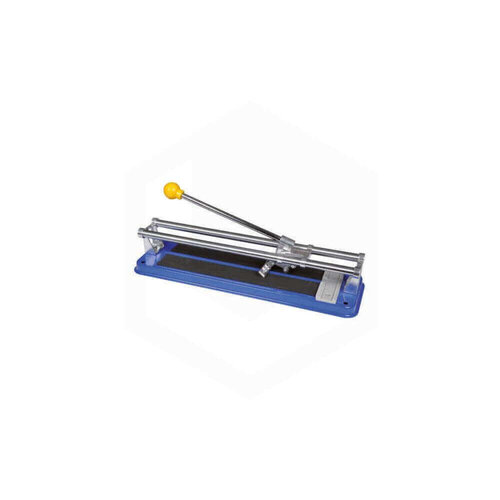
Vitrex Economy Tile Cutter - 330mm
330mm tile cutter
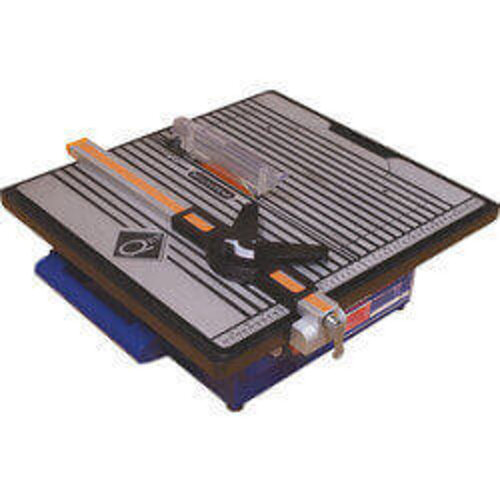
Vitrex Power Pro 750W Wet Tile Cutter - 230V
230V 750W wet tile cutter with tilting table and diamond blade
For the Trade
Start with the space you’ve got and how you’ll use the saw on the day. That usually matters more than the finish on the machine. On a tight job, a smaller bench tile saw is easier to live with, but you give up table size and support on longer cuts. A wet tile cutter is the usual call when you want cleaner control on harder material, though it’s one more thing to manage and keep set up. The jobs that get awkward are the ones where the saw suits the cut but not the layout. That’s when you end up fighting the tool instead of letting the tile saws do the work.
Popular Tile Saw Formats
Wet tile saws suit harder, cleaner cuts where you want less chipping and more control. The trade-off is the water feed and the clean-up that comes with it.
Electric tile saws are easier to move between jobs, or to use where a bench setup gets in the way. You lose some support on repeated cuts, so they are less forgiving when consistency matters.
Bench tile saws make more sense when the work stays in one place. They give steadier feed and better repeatability, which helps on longer runs.
Portable tile saws cut down on handling, but you give up stability and capacity. Tiling is where you’d look next if you’re matching the saw to the rest of the job.
Key Differences When Choosing
Start with the material and the finish you need. Porcelain and natural stone usually point you towards a wet tile cutter. It keeps the cut under control and helps when the edge has to stay clean. A dry electric tile cutter is quicker to move around, but it is not the first pick when cut quality matters more than speed.
For larger runs of Floor Tiles, a bench tile saw is usually the sensible call. You get a fixed setup and less faffing with support.
For Wall Tiles, lighter kit often makes more sense. It is easier to handle in tighter spaces and better when you only need a few cuts.
Next Decisions After Choosing
Once you’ve picked the saw, the next call is what that cut edge has to meet. If the job finishes into shower panels, screens or a tiled niche, you want the cut to land cleanly against the trim and not leave you chasing gaps.
Storage and wastes matter in the same way. A neat run around a tray or basin shows up any rough edge straight away. On wall finishes, a cleaner cut saves time on the last fix. A rough cut only works where the detail hides it.
Related searches
Local availability for Tile Saws





