Fuel Cans & Pumps
Fuel cans come down to what you’re carrying, how often you’re moving it, and whether you want a lighter plastic can or a tougher metal one. A 10 litre fuel can is often the handier choice for vans and smaller top-ups, while a 20 litre fuel can suits fewer trips if you can handle the extra weight. If you’re buying a petrol can or diesel can, check the spout and cap arrangement first - that’s where most of the trouble starts.
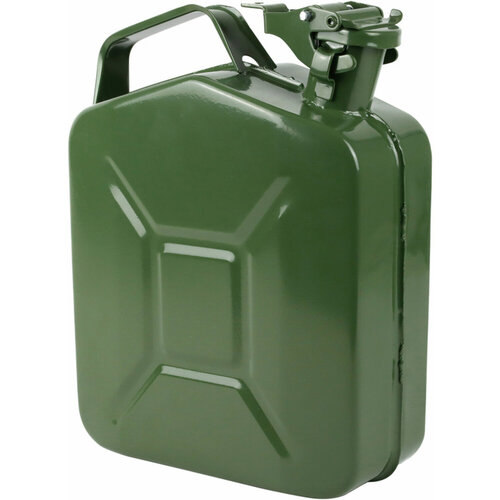
Jerry Can - 5L
5 litre green steel jerry can with internal anti-corrosion coating
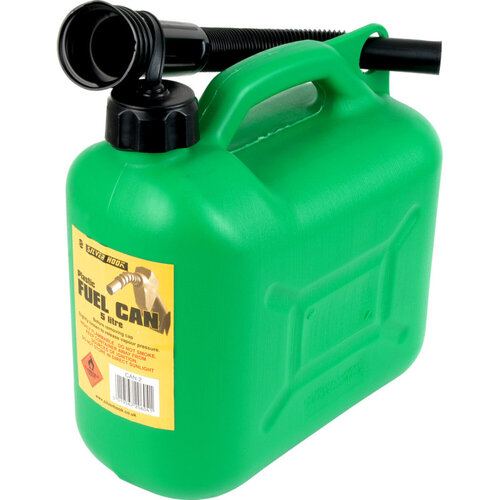
Plastic Fuel Can - Green 5L
5 litre plastic fuel can with pourer, colour coded green for safe fuel identific…
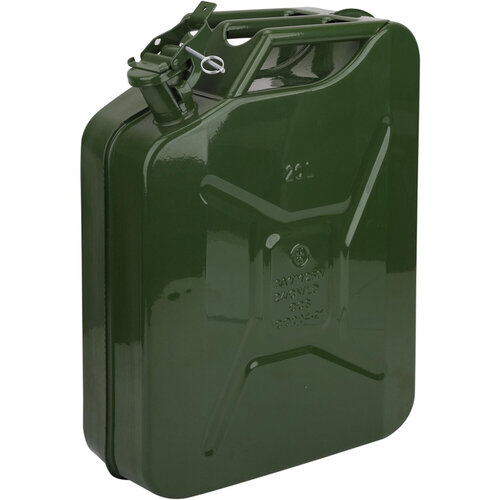
Jerry Can - 20L
20L jerry can with internal anti-corrosion coating; transport limited to 10L unl…
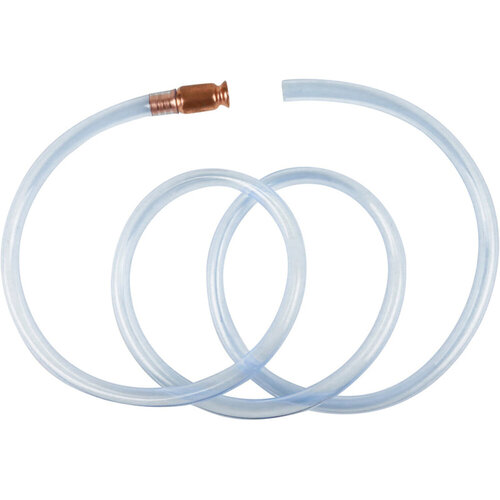
Self Priming 1/2" Syphon Hose Pump - 170cm
170cm jiggle siphon hose for petrol, diesel and other liquids
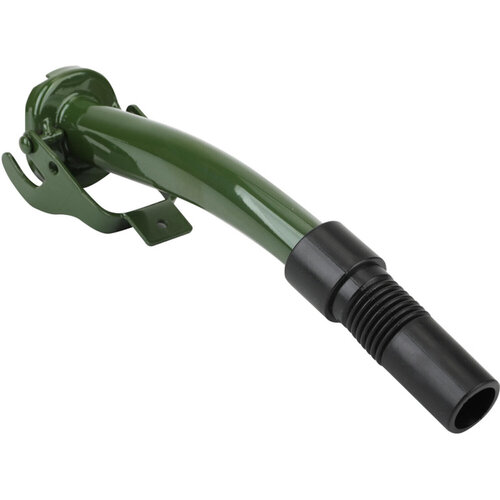
Jerry Can Spout
Metal spout for 5L and 20L jerry cans with rubber seal
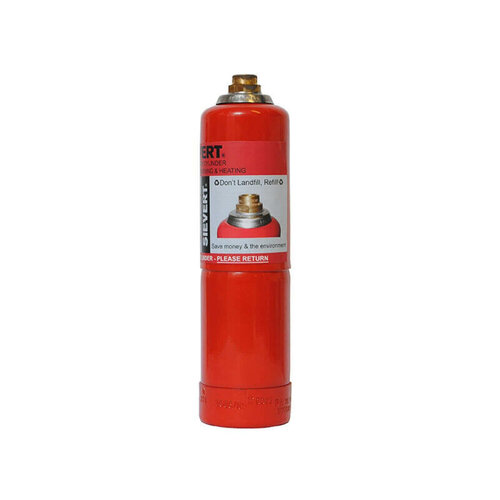
Primus Gas Cylinder Refill Only
Propane gas refill for Primus 655071 refillable cylinder, 340g
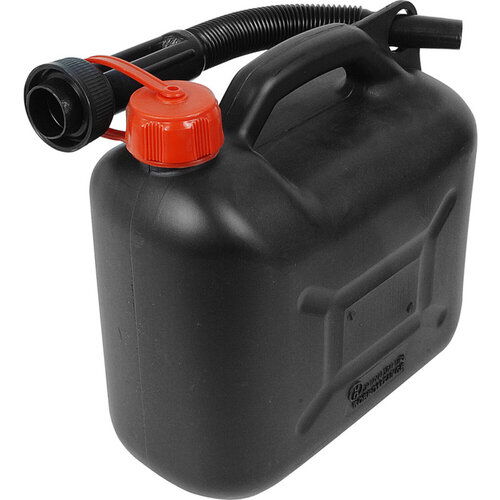
Plastic Fuel Can - Black 5L
5 litre plastic fuel can with pourer, colour coded black for safe fuel identific…
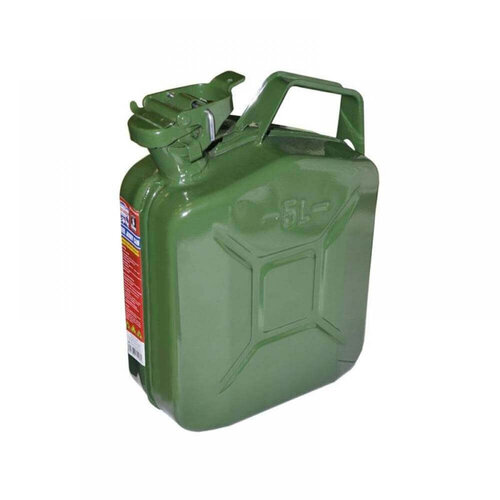
Faithfull Steel Jerry Can - 5L Green
5 litre green steel jerry can
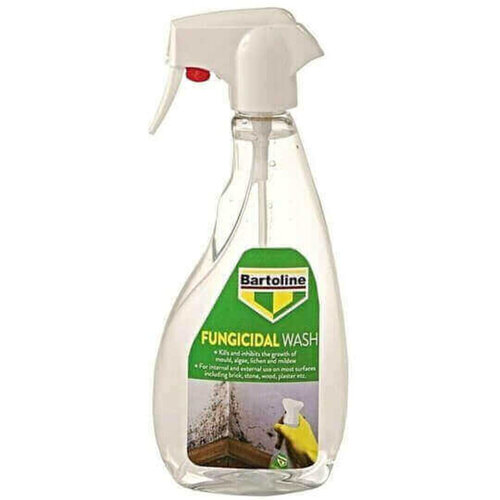
Bartoline BBQ Lighting Fluid - 1L
1 litre BBQ lighting fluid
Bartoline Lamp Oil - 1L clear
Clear lamp oil, 1 litre, low smoke refined hydrocarbon
For the Trade
Start with what the can’s doing on the job, then narrow it by capacity and how you’ll carry it. A petrol can for site kit, a diesel can for plant, or a spare fuel can for the van all need different handling, and the wrong spout is usually what causes the grief. Plastic fuel cans are lighter and easier to move. Metal fuel cans take rougher treatment and are often the pick for the back of a vehicle. A 20 litre fuel can cuts down top-ups, but only if you’ve got the space and weight to live with it.
Fuel Cans & Pump Types and Layouts
If you’re narrowing down fuel cans, start with the layout. A plain fuel can keeps things simple. A fuel can with spout gives you cleaner decanting and less mess round the filler neck. Trade fuel cans suit harder use, where you want a more robust option and do not want to piece the setup together yourself.
Petrol fuel cans and diesel fuel cans make the choice clearer when the contents stay fixed. If the vehicle shifts between jobs, a general fuel can is often the quicker grab. Breakdown & Travel is where you’d check the rest of the kit if you’re building out the vehicle setup.
What to Check Before You Buy
Material is the first call. Plastic fuel cans are lighter to carry and easier to move in and out of a van, so they usually suit jobs where you handle them through the day. Metal fuel cans feel firmer and stand up better to knocks, but you pay for that in weight.
Capacity matters just as much. A 10 litre fuel can is easier to live with for smaller top-ups. A 20 litre fuel can cuts down the trips, but it gets awkward once it’s full. If you’re sorting kit storage around the vehicle as well, it’s worth looking at Roof Boxes or Bike Carriers at the same time, because the load you’re carrying often decides what size and material makes sense.
Useful Alongside Fuel Cans & Pumps
Once the fuel cans are sorted, the next call is how you store and move them with the rest of the kit. A loose can in the back of a van gets knocked about. Storage, restraint and access come first.
If the job also involves bikes or extra luggage, the load plan changes quickly. Keep fuel separate from the travel kit. Pick the fuel can for the job, then make sure the rest of the kit does not turn it into a nuisance.
Related searches
Local availability for Fuel Cans & Pumps








