Shower Heads
Shower heads usually come down to pressure, spray pattern and how much coverage you want. A fixed shower head or rain shower head gives you a wider spray, while a high pressure shower head suits weaker supplies that need more force. For a straight replacement, a standard shower head is usually the least troublesome choice. If the flow or finish is tighter, the decision changes there.
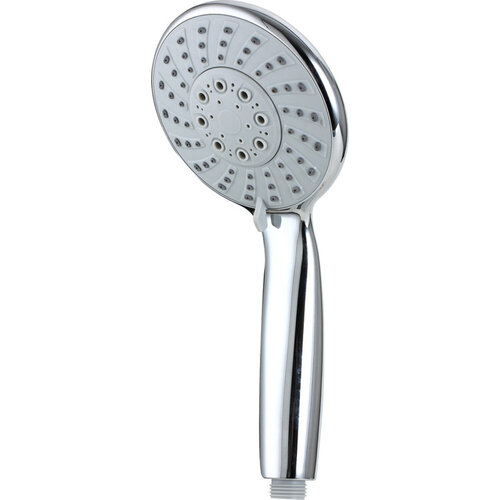
Ebb + Flo 5 Spray Shower Handset - Chrome 120mm
Chrome 5-spray shower handset, 120mm
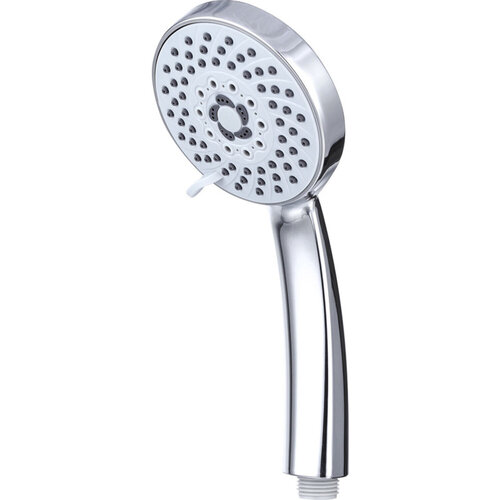
Ebb + Flo 5 Spray Shower Handset - Chrome 100mm
Chrome 5-spray shower handset, 100mm
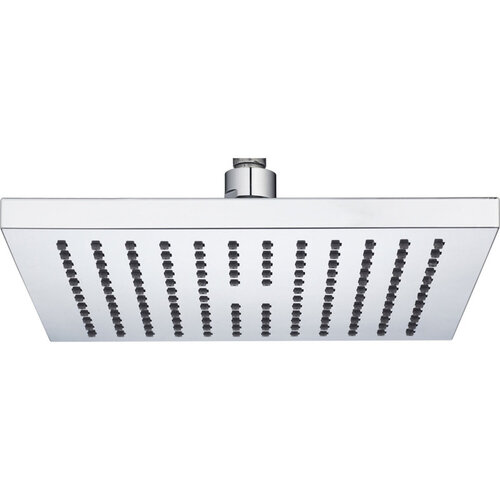
Ebb + Flo Fixed Square Shower Head - 200mm
200mm fixed square shower head, chrome, with rub-clean nozzles and adjustable ba…
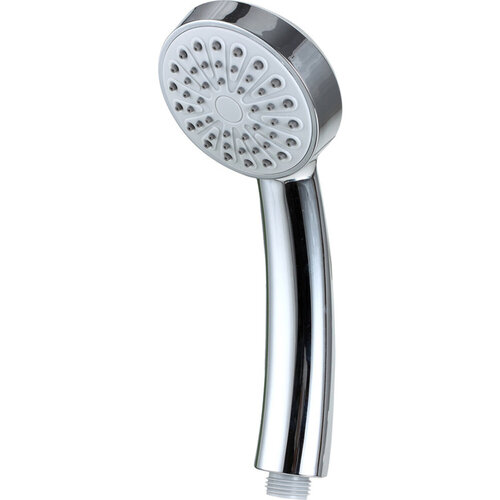
Ebb + Flo Single Spray Shower Handset - Chrome
Chrome single-spray shower handset with rub-clean nozzles
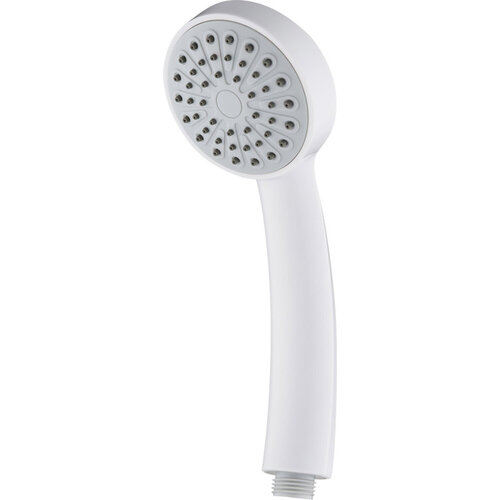
Ebb + Flo Single Spray Shower Handset - White
White single-spray shower handset with rub-clean nozzles, fits standard hose
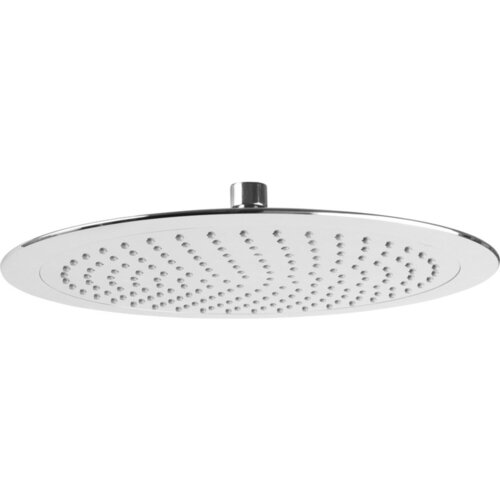
Slimline Round Shower Head - 300mm
Slimline round shower head, 300mm, chrome effect finish
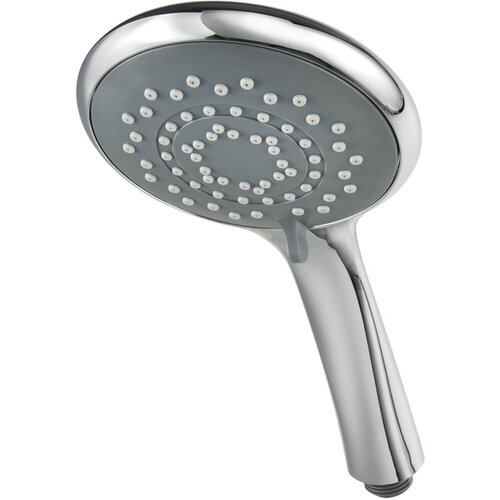
Triton 5 Spray Shower Handset - Chrome
Universal 5-spray shower handset in chrome
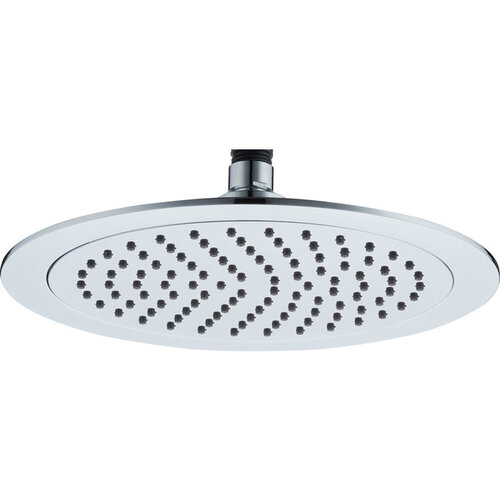
Ebb + Flo Fixed Round Shower Head - 238mm
Slim 238mm round shower head with chrome finish and easy-clean nozzles
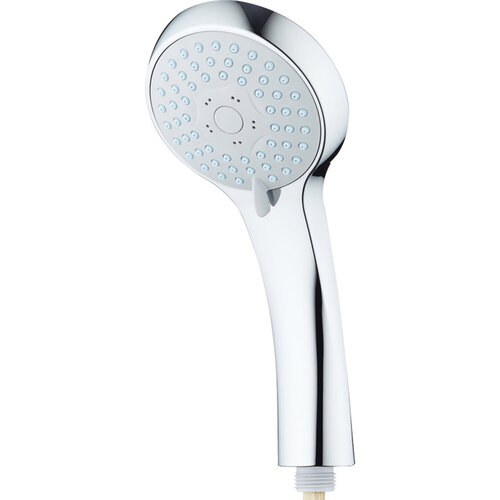
Ebb + Flo 3 Spray Shower Handset - Chrome
Chrome 3-spray handset for all shower types
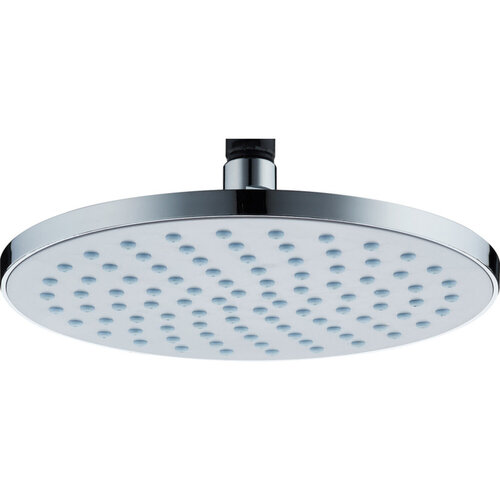
Ebb + Flo Fixed Round Shower Head - 204mm
Chrome fixed round shower head, 204mm diameter, with rub-clean nozzles
For the Trade
What matters first is the feed and the finish you’re trying to achieve, because that narrows shower heads faster than anything else. If the pressure is marginal, a high pressure shower head is usually the one to reach for. If the supply is decent and you want more spread, a rain shower head or fixed shower head makes more sense. A larger face gives more coverage, but it will show weak pressure straight away. Shape and colour come after that. Square shower head, black shower head or chrome is a finish call once the performance side is settled.
Shower Head Types and Layouts
For most jobs, you’re choosing between a shower head that keeps the spec simple and a shower bath that has to do two jobs at once. A shower head suits a straight replacement or a like-for-like upgrade. A shower bath fits better where there isn’t room for both a separate enclosure and a standard bath.
The trade-off is simple. The bath shape and screen choice have to work together, so there’s less room for error than with a separate setup. If you’re working through Showering, the layout usually decides the product, not the other way round.
What to Check Before You Buy
Size is the first call. A large shower head gives you more coverage, but it takes up more visual and physical space. In a tight cubicle or under a low ceiling, that can be the wrong fit.
A smaller shower head keeps the footprint neat. It suits a compact enclosure, but you give up some spread.
For a cleaner overhead look, a fixed shower head usually makes more sense than a handheld setup. If the job needs more control, or you’re dealing with a retrofit and mixed pressures, a Digital Shower or Digital Showers may be the better route than changing the head alone.
Useful Alongside Shower Heads
Once the shower heads are picked, the next call is usually what finishes the wet area around them. If the room is being stripped back, you’re often into shower enclosures or screens next, because the head choice affects where the spray lands and how much splash you need to contain.
Where the spec is more about the finish than the layout, wall panels and storage accessories tend to come into play. That’s where jobs get held up if the details don’t match. A black shower head or square shower head can set the tone, but the surrounding parts need to follow through or the install looks pieced together.
Related searches
Local availability for Shower Heads













