Metal Clad Switches & Sockets
Metal clad switches and sockets suit jobs that need a tougher face than standard decorative gear. The real call is still the same: what’s the environment, what’s being switched, and how much wear it’s likely to take. A metal clad socket is often the first choice where knocks, dust or site use are part of the brief. A decorative fitting still makes more sense where appearance matters more than impact resistance. Check whether you need a switch, a socket, or a switched outlet. That’s where the wrong format causes the call-back.
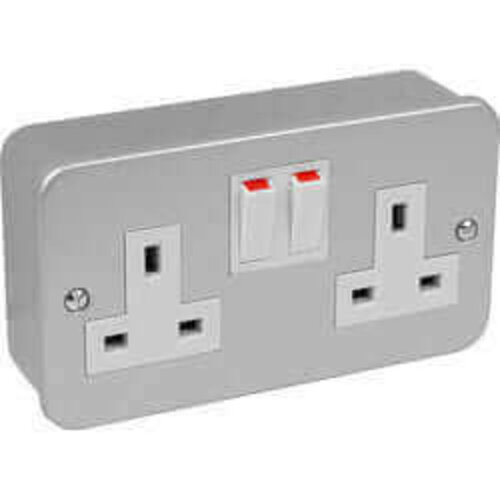
Axiom Metal Clad Switched Socket - 2 Gang
13A 2-gang metal clad switched socket, satin silver
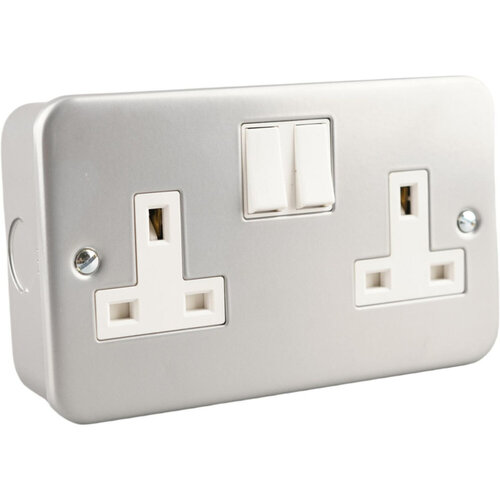
Wessex Metal Clad Switched Socket - 2 Gang
Wessex Metal Clad Switched Socket 2 Gang — heavy-duty, silver matt
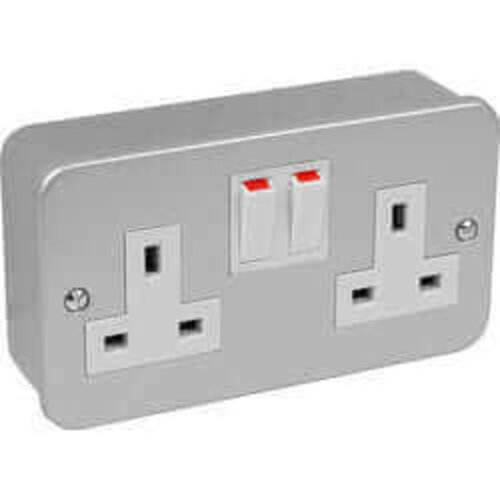
Axiom Metal Clad Switched Socket - 2 Gang Double Pole
Tough metal-clad 13A 2-gang double pole switched socket
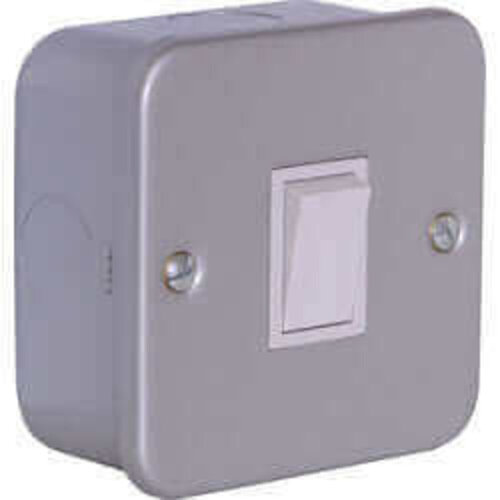
Axiom Metal Clad 10A Switch - 1 Gang 1 Way
Axiom metal clad 1 gang 1 way switch, 10A, silver satin
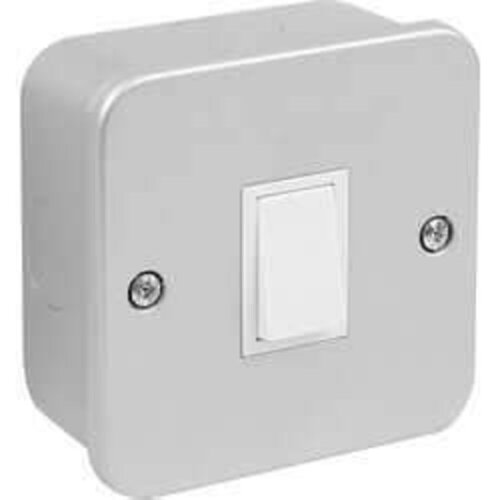
Axiom Metal Clad 10A Switch - 1 Gang 2 Way
Axiom metal clad 1 gang 2 way switch, 10A, silver satin
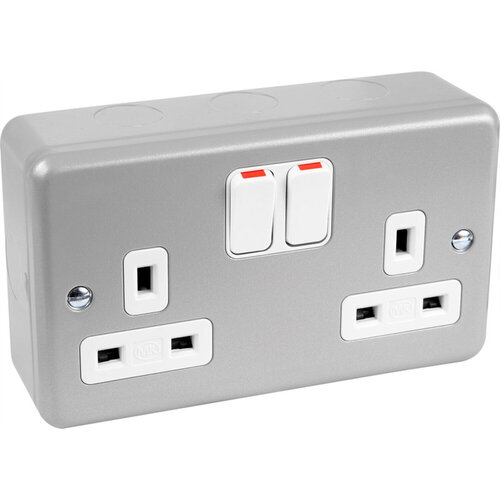
MK Metal Clad DP Switched Socket - 2 Gang
MK Metal Clad double pole switched socket, 2 gang, satin silver
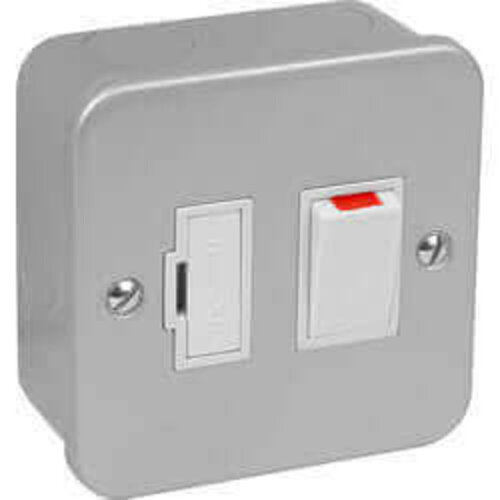
Axiom Metal Clad 13A Spur - Switch & Neon
Silver metal clad 13A fused spur with switch and neon indicator.
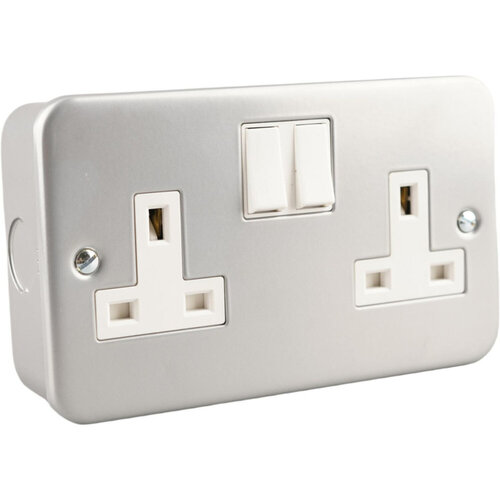
Wessex Metal Clad Switched Socket - 2 Gang DP
2 gang double pole metal clad switched socket, 230V, silver matt
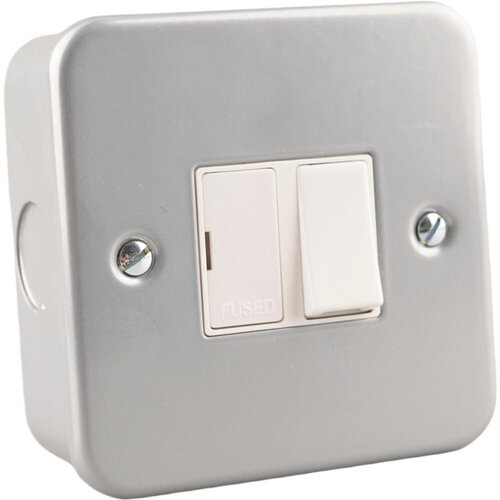
Wessex Metal Clad Switched Spur - 13A
13A metal clad switched spur for fixed appliance isolation
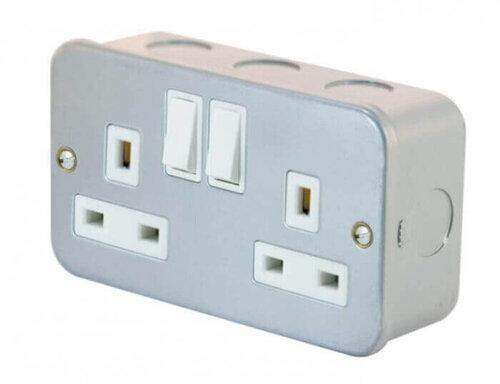
Selectric Metal Clad Switched Socket Double Pole 2 Gang - 13A
Metal clad 13A 2 gang switched socket with double pole switches and back box.
For the Trade
Start with the space you’ve got and how the gear’s going to be used. That usually settles the layout before you look at anything else. In a plant room, workshop or other knock-prone area, metal clad switches and sockets are the usual call. If the job is lighter duty or the finish matters more, you’d normally move to a different range. A metal clad switch or metal clad socket can also change the spec where access is tight. Body and plate depth affect what fits cleanly and what turns into a fight on the day.
Metal Clad Switches & Socket Options Compared
A metal clad socket suits outlets that will see regular plug-in use. A metal clad switch is the cleaner choice when you only need local control.
Switched versions remove the need for separate control gear. The trade-off is a busier front, and they can be more than you need if the circuit only needs isolation.
If you’re working through Wiring Accessories, start with the job first. Then narrow it down by function.
Choosing Materials and Size
The choice usually comes down to how hard the fitting will be worked and how much room you’ve got behind it. Metal clad switches and sockets suit jobs where the face needs to take more abuse than decorative gear, but the box depth still has to work with the wall build.
Check the back box first. Shallow boxes are where you get caught out. Then decide whether you need a plain outlet, a switched outlet, or a local control point.
If you’re building out a mixed run, Combination Plates can keep it tidy. Back Boxes and Pattress Boxes are what usually decide what will actually fit.
Completing the Setup
Once you’ve picked metal clad switches and sockets, the next call is what finishes the run around them. If you need a neater mixed arrangement, combination plates save you building it from separate pieces and keep the spec tidier where space is tight.
If the install is being built out in stages, back boxes and pattress boxes stop you getting caught short on depth or fixing points later. For a cleaner finish on the surrounding work, decorative switches and sockets are the contrast option, but they suit jobs where appearance matters more than a hard-wearing face.
Local availability for Metal Clad Switches & Sockets











