Wiring Accessories
When you’re choosing wiring accessories, start with the job spec and the finish the client will accept, then narrow it by load, location and how much of the install needs to be standardised. A plain switch or socket is usually the economical call for straightforward work. Heavier-duty or more specialised fittings make sense where the site is rough, exposed or the layout keeps changing. The bit that catches people out is mixing ranges - the faceplate may look close enough, but the box depth, fixing pattern and accessory format often decide whether the job goes smoothly or turns into a return visit.
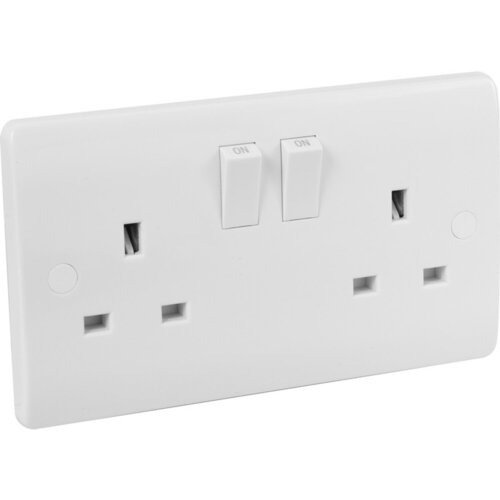
Click Mode DP Switched Socket - 2 Gang
2 gang DP switched socket, white gloss, push-in screw covers, 20-year guarantee.
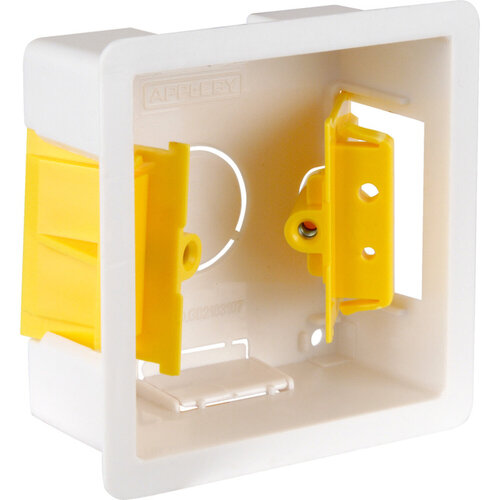
Appleby Dry Lining Boxes - 1 Gang 35mm
1-gang dry lining back box, 35mm depth, flame-retardant thermoplastic
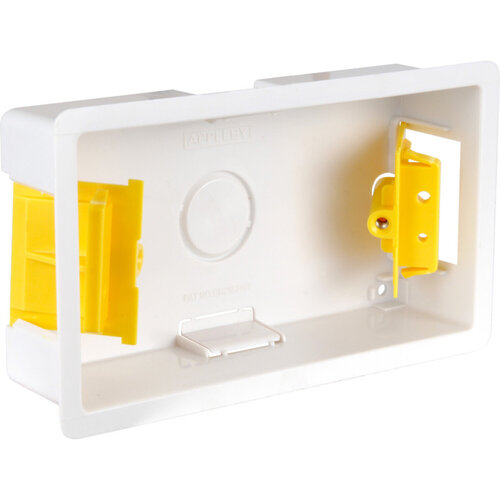
Appleby Dry Lining Boxes - 2 Gang 35mm
2 gang dry lining box, 83 x 143 x 36 millimetres, flame-retardant thermoplastic,…
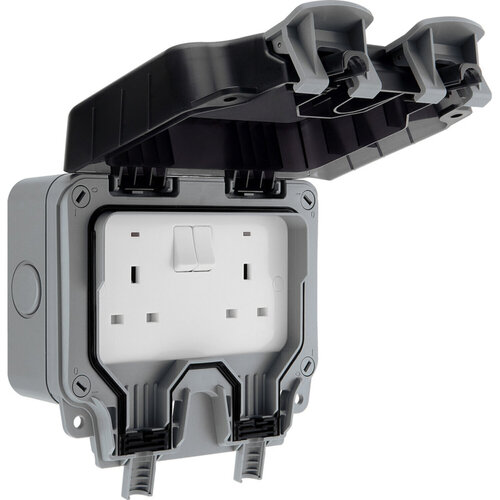
BG IP66 13A Switched Socket - BG Nexus Storm 13A Weatherproof Outdoor Double Switched Socket, IP66
IP66 weatherproof outdoor double switched socket, 13A, black polycarbonate, Nexu…
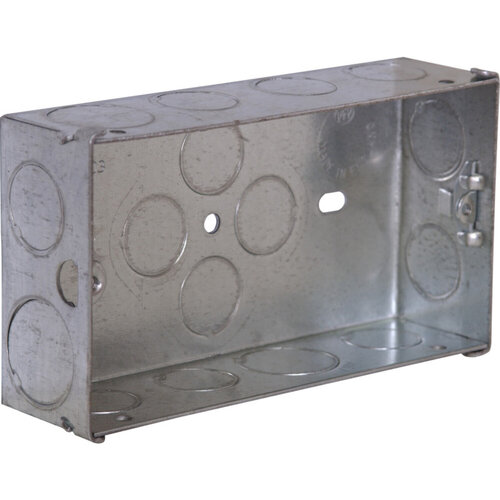
Made4Trade Metal Back Box 2 Gang - 35mm Trade Pack 10 Pack
Metal back box 2 gang, 35mm depth, trade pack of 10
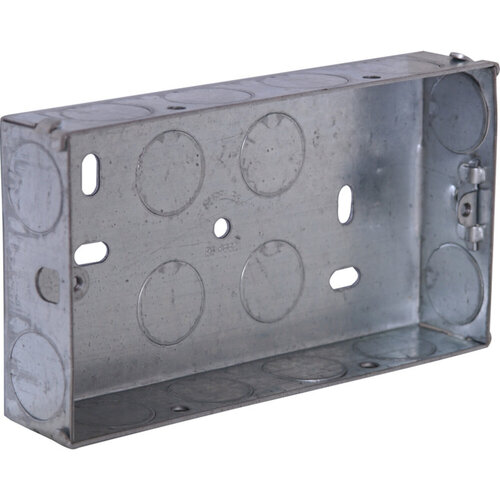
Made4Trade Metal Back Box 2 Gang - 25mm Trade Pack 10 Pack
Metal back box 2 gang, 25mm depth, trade pack of 10
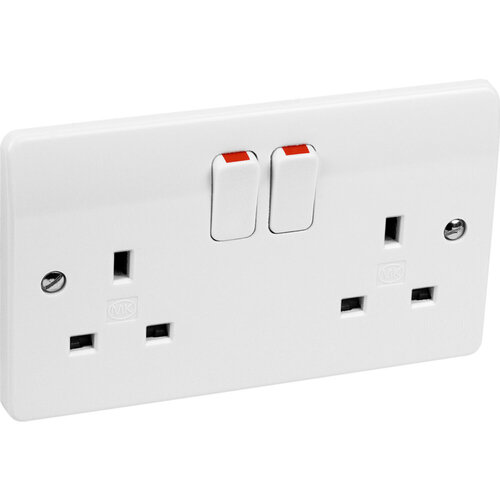
MK DP Switched Socket - 2 Gang
White 2-gang double pole switched socket with child-safe shutter
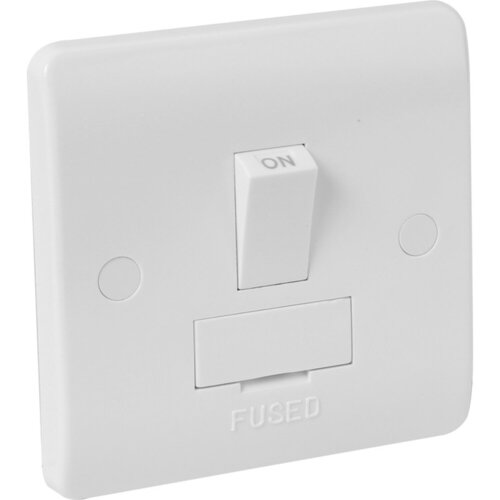
Click Mode 13A Fused Spur - Switched
13A switched fused spur with flex outlet, antiviral and antibacterial certified,…
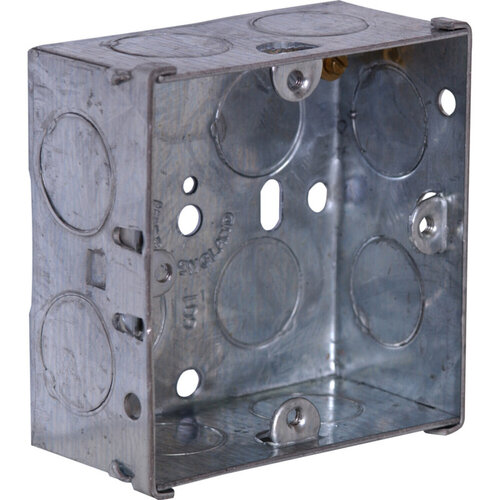
Made4Trade Metal Back Box 1 Gang - 35mm
1-gang metal back box for interior use, 35mm deep
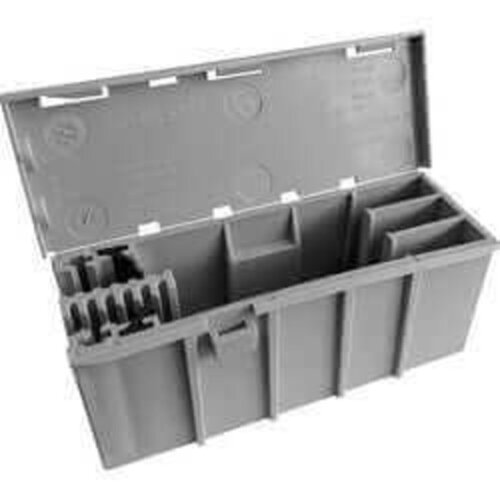
Wagobox 221-4 Junction Box - 108 x 39 x 44mm
Screwless junction box for WAGO 221 series connectors, grey, 108x39x44mm, IP2X
For the Trade
Start with the space you’ve got and how the fitting will be used. That usually rules out half the options before you get to finish or style. Tight back boxes, awkward wall build-ups, and exposed positions all push you towards different wiring accessories, and the wrong size or format is where you lose time on site. If the job is being standardised across a run, keep the range consistent so you’re not mixing parts later. Decorative pieces suit visible areas. Tougher fittings make more sense where knocks and dirt are part of the job.
Back Boxes and Pattress Boxes
You usually narrow wiring accessories by what has to sit behind the plate and how much room you’ve got in the wall. A shallow box can help on a tight refurb, but it can also leave you short on space when you’re trying to get everything in.
Deeper options give you more room for terminations and a cleaner finish. If the job needs a specific mounting depth or a neater swap-out, Back Boxes and Pattress Boxes is the narrower buy in this range.
Combination Plates
Combination Plates suit jobs where you need more than one function on the same faceplate and do not want to split it across separate fittings. The choice usually comes down to what needs to sit together, how much room you have behind it, and whether you want a cleaner finish or the simplest install.
A single plate can save you chasing multiple positions. Check the layout before you order. For the narrower buy within this range, see Combination Plates.
Decorative Switches & Sockets
Decorative switches and sockets are the bit you pick when the face of the job matters as much as the function. You’re usually weighing up a cleaner finish, a tougher everyday fitting, or a plate that sits better with the rest of the scheme.
The catch is that the nicer-looking plate still has to suit the box and the room, so check the back end before you commit. If you want the visible finish without moving into specialist gear, Decorative Switches & Sockets is the narrower buy in this range.
Electrical Screws
Electrical screws are the small part that causes the comeback if they’re wrong, so you usually pick them on head type, length and finish rather than price alone.
For standard wiring accessories, you want a screw that bites cleanly and sits properly in the plate without chewing the head, especially when you’re fitting a lot of the same gear.
Stainless or coated options make more sense where corrosion is a concern. Plain fixings are usually fine indoors.
If you’re matching existing fittings, check the thread and head style first. That’s where most delays start.
Floor Sockets & Boxes
Floor sockets and boxes are the ones you pick when the outlet has to sit in the floor rather than on the wall. The first check is access and finish, not the faceplate.
A flush lid suits jobs where you want the fitting kept out of the way. A deeper box gives you more room for cable entry and the device body.
Depth under the floor build-up is the usual snag. If that’s tight, the wrong box becomes a problem fast. Keep the rest of the wiring accessories consistent with the job, but get the floor detail right first.
Grid & Modular Wiring
Grid and modular wiring is the one you reach for when the job needs flexibility rather than a fixed faceplate layout. It suits commercial fit-outs, changing office spaces and installs where you may need to swap a switch, socket or control module later without reworking the whole plate.
Compared with standard wiring accessories, it gives you a cleaner way to build mixed functions and reconfigure them later. That flexibility comes at a cost, so it makes sense where the layout may change. For a basic run, a fixed arrangement usually does the same job for less.
Key Differences When Choosing
You usually narrow wiring accessories by finish, duty and how much of the job you’re standardising. If the spec is straightforward and you just need reliable fittings, stay with the simpler end of the range. Once the client wants a matching look or a mixed-function face, move to more specific wiring accessory fittings. The price follows.
On exposed or busier sites, tougher parts are worth the extra because damaged plates and loose fixings come back. If you’re tying into existing gear, check the range first. Mixing styles is where jobs start looking patched.
For the rest of the system, Cable & Cable Management usually comes next, while Domestic Electricals is where you go when the job shifts into the appliance side.
Next Decisions After Choosing
After you’ve picked the wiring accessories, the next call is what has to sit around them. If you need a cleaner finish, decorative switches and sockets are the usual follow-on. In rougher areas, tougher fittings and the wall finish matter more than the faceplate.
Back boxes and pattress boxes still set the fit. A neat plate won’t fix the wrong depth. Where you need more than one function on one face, combination plates keep the layout tighter and save you chasing separate positions.
Related searches
Local availability for Wiring Accessories