Cement Mix
If you’re buying cement mix, start with the job. General repairs, brickwork, pointing, and faster set work all need a different balance. Dry cement mix gives you more control on site. Ready mixed cement saves time, but you’ve got less room to adjust the blend. Cement mix bags are the usual call for smaller jobs and patch work. On bigger runs, handling and set time matter more than the price on the bag.
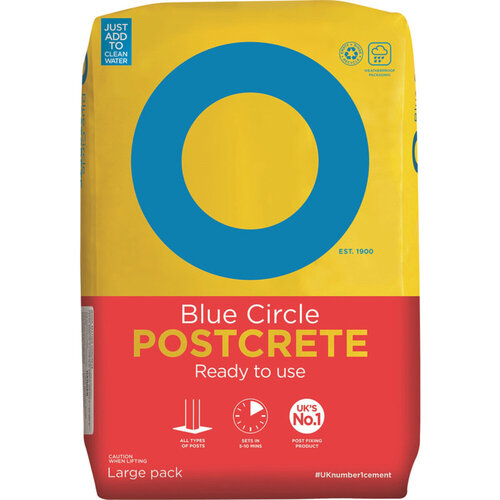
Blue Circle Postcrete - 20kg
Fast-setting ready-mix concrete for fence posts, 20kg light grey.
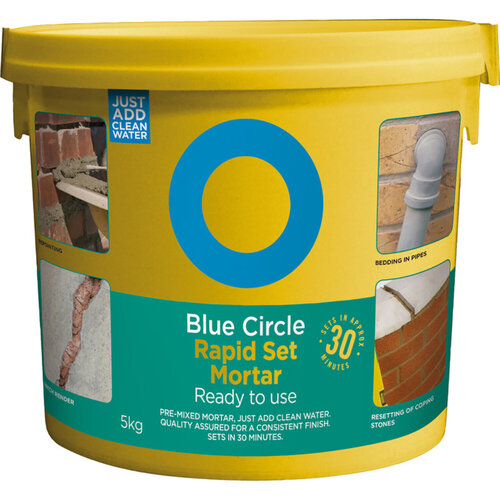
Blue Circle Rapid Set Mortar Mix - 5kg
5kg rapid set mortar mix, sets in 30 minutes, hardens in 4-6 hours.
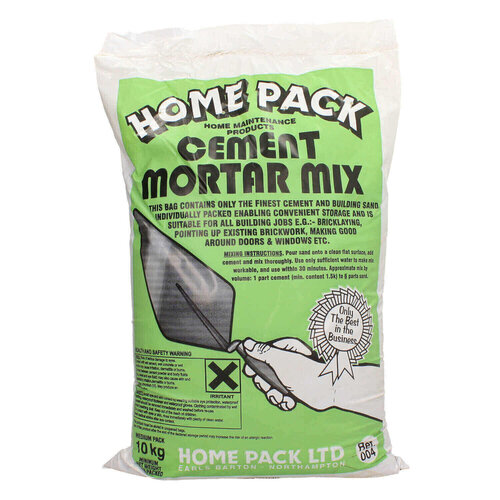
Homepack Cement Mortar Mix - 10kg
10kg general purpose mortar mix for interior and exterior repairs.
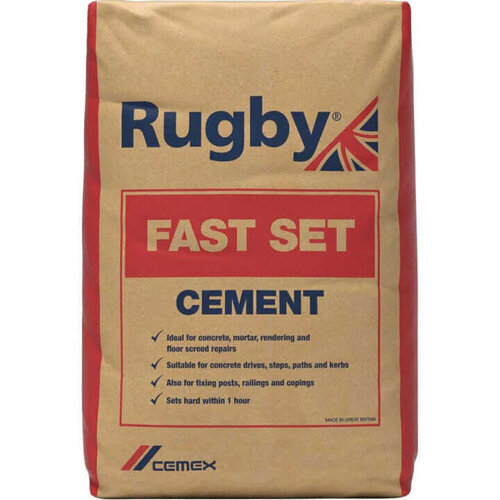
Rugby Fastset Cement - 25kg
Rugby Fastset cement, 25 kg bag
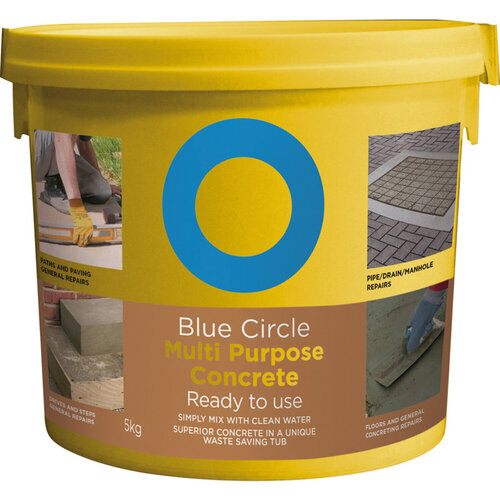
Blue Circle Multi Purpose Concrete Mix - 5kg
Blue Circle multi-purpose concrete mix 5kg, sets in 1-2 hours
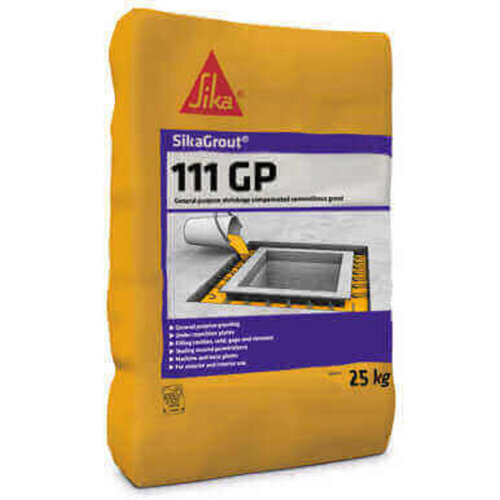
Sika Sikagrout 111 GP Cementitious Grout - 25kg Grey
25kg grey one-part flowable cementitious grout
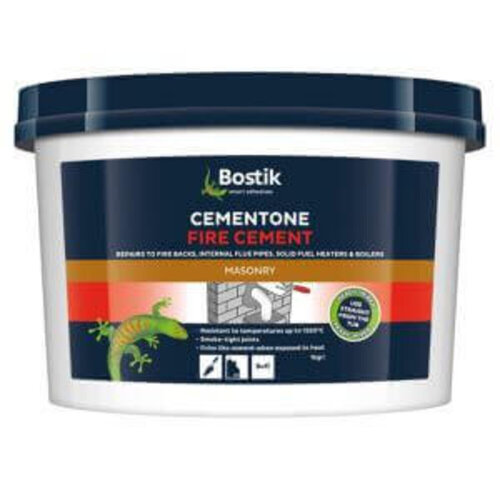
Bostik Cementone Buff Fire Cement - 1kg tub
Buff fire cement for sealing fire backs, flue pipes and solid fuel appliances, 1…
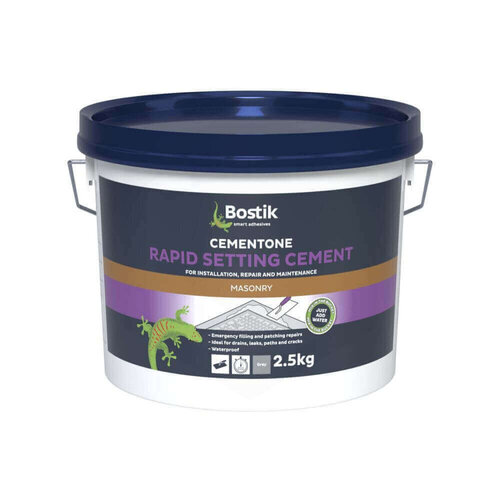
Cementone Rapid Setting Waterproof Cement Tub - 2.5kg Grey
Rapid setting waterproof grey cement in 2.5kg tub
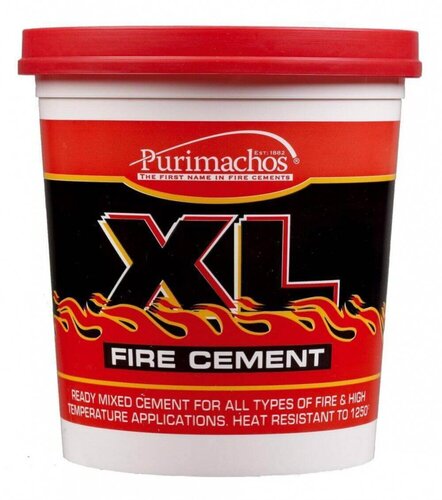
Everbuild XL Fire Cement - Buff 1kg
Everbuild XL fire cement, buff, 1kg.
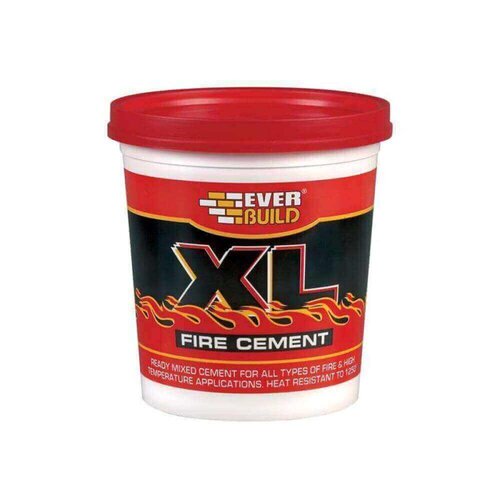
Everbuild Sika XL Fire Cement - 2kg
Ready-mixed fire cement, 2kg, resists up to 1250°C, for fire bricks and flues
For the Trade
Start with the space you’ve got and how the job will be used, then decide whether you need the control of a dry cement mix or the speed of ready mixed cement. On tight access or small repair work, cement mix bags are easier to handle and cut waste. On larger runs, the time saved with ready mixed cement can matter more than the extra cost. A general purpose cement mix usually covers everyday work. If the area can’t stay open for long, a faster-setting option is the better call. The trade-off is simple: more working time, or less waiting.
Types of Cement Mix
For most jobs, you’re choosing between a general purpose cement mix, a dry cement mix, and faster or stronger options.
General purpose cement mix is the usual call for everyday brickwork and repairs. It keeps the spec simple and avoids paying for performance you won’t use.
Dry cement mix gives you more control when you want to adjust the mix on site. Cement mix bags suit smaller runs and easier handling.
If the job needs a quicker turnaround, rapid setting cement mix is the one to look at, but you give up working time. High strength cement mix earns its keep when the load or wear justifies it.
If you’re comparing the wider range, Aggregates & Chemicals is the parent department to work back from.
Selection Factors for Cement Mix
The first question is how much control you want, and how much time you’ve got. A dry cement mix gives you that control. Ready mixed cement is the quicker call when you want to get on with the job and skip batching.
Bagged product makes more sense on smaller runs or where access is awkward. Once you’re covering more ground, handling and waste start to matter.
If you need a bit more working time or a different finish, Additives & Plasticisers are the next thing to look at. For straight jointing work, Jointing Compound is the separate buy.
Finish the Room
Once you’ve picked the cement mix, the next call is what keeps the rest of the job moving.
For patching around masonry, repair mortar or pointing mortar keeps the finish in line where the joint matters. If you need a quick local rebuild, rapid setting cement mix gets you moving again, but you lose working time.
When the job shifts into prep, additives and plasticisers, or a PVA sealer before a bonded finish, matter more than another bag of cement mix.
Related searches
Local availability for Cement Mix












