Window Sills
Window sills usually come down to three things: where they’re going, what finish you need, and how much handling you want to take on. For internal window sills, timber and uPVC are the usual call - timber gives you more flexibility on finish, while uPVC is the cleaner option where you want less maintenance and a quicker fit. Oak window sills suit visible runs, while pine is the lower-cost choice when the board will be painted.
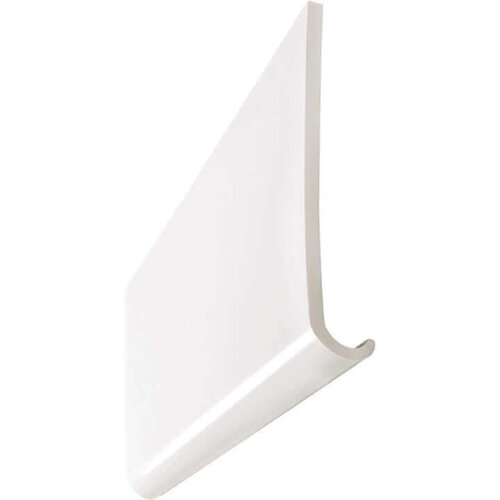
Hockey Window Board - 250mm
Hockey-style window board, 250mm size.
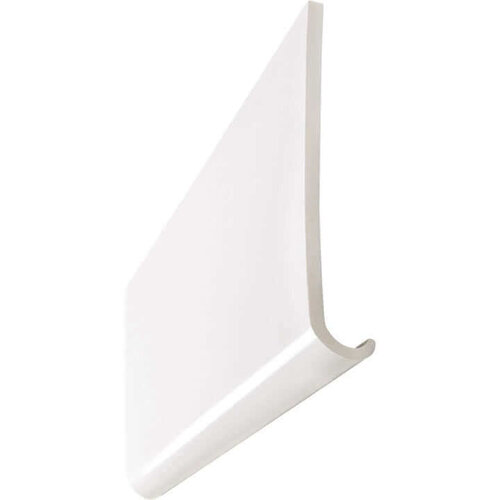
Hockey Window Board - 200mm
200mm window board
For the Trade
What matters first is where it’s going and how much abuse it will take. Internal window sills are usually picked for finish and speed. External window sills need to cope with weathering and standing water without causing trouble later. After that, it comes down to the look you’re matching and how much cutting you want to do on site. A long run saves joints, but only if you can get it in cleanly. If the board will be seen every day, oak window sills are often chosen for a cleaner finish. For painted work, pine is the one most lads reach for because it’s easier to work and cheaper to replace if one gets damaged.
Window Sill Types and Layouts
For most jobs, you’re choosing between a plain internal window sill, a more visible oak run, or a painted pine board. Internal window sills suit straightforward fit-outs where you want a clean finish without over-specifying it. Oak window sills work when the reveal stays on show and the edge detail matters.
Pine window sills still see plenty of use on painted work because they’re easy to finish to match. The trade-off is a softer face than you’d want on a harder-wearing spec. External window sills are a different call. Use them where the location and weather exposure justify the extra durability.
If you’re working through the rest of the range, start with Windows & Window Fittings and narrow it from there.
What to Check Before You Buy
Material choice changes how the job goes in your hands as much as how it finishes. uPVC window sills are usually the pick when you want a lighter board that is easier to handle and less fussy around moisture. Timber still makes sense when you need to cut, scribe and finish to suit the rest of the joinery.
Oak window sills give you a harder, more substantial face for visible work, but you pay for that in weight and cost. Pine window sills are easier to work and paint, though they need more care if the reveal is likely to take knocks. If the opening is being finished out with Blinds or you are lining up with Glazing Sheets, check the thickness and projection before you order. That is where the wrong board usually catches you out.
Useful Alongside Window Sills
Once you’ve picked the window sills, the next call is usually what finishes the opening around them. If you’re tidying the reveal, window reveal boards save you making good with extra filler and give you a cleaner line to work to.
Where the opening needs dressing rather than just a board, blinds or other window coverings are the next buy. The sill won’t finish that part of the job. On larger glazed areas, glazing sheets come into play when you’re sorting protection or a temporary close-in, and that is where the spec usually changes.
Related searches
Local availability for Window Sills

