Cable & Cable Management
When you’re choosing cable & cable management, start with what needs controlling: loose runs, exposed routes, or a full tidy-up around plant and desks. Heavy duty cable management suits higher cable loads and tougher conditions, while lighter trade cable management is usually enough for cleaner runs and quicker fixes. The trade-off is simple - more protection and support usually means more bulk and more time on the job. If the route is awkward or likely to get knocked, buy for that first, because the weak point is usually where the cable moves or gets dragged.
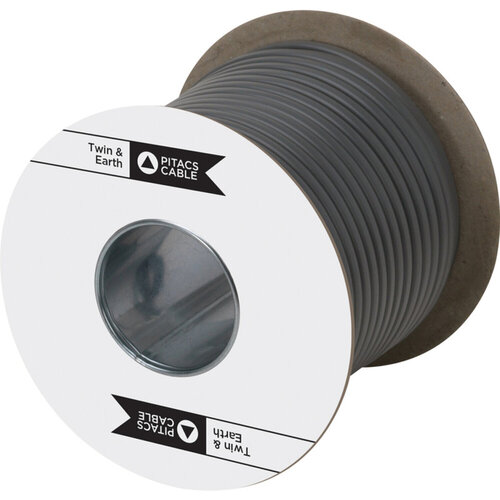
Pitacs Twin & Earth Cable (6242Y) Grey - 2.5mm² Drum 100m
2.5mm² grey twin and earth cable, 100m drum, for domestic power and lighting
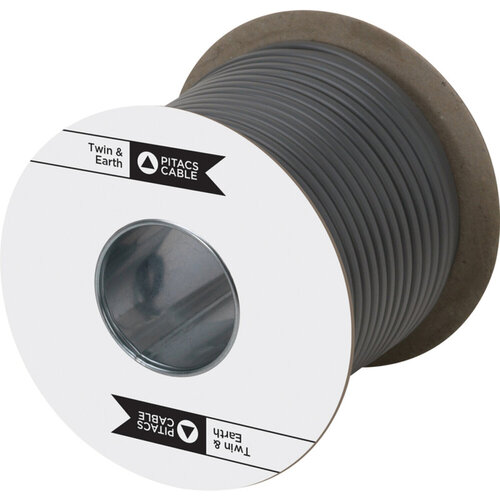
Pitacs Twin & Earth Cable (6242Y) Grey - 2.5mm² Drum 50m
2.5mm² twin and earth cable, 50m drum, grey PVC-insulated
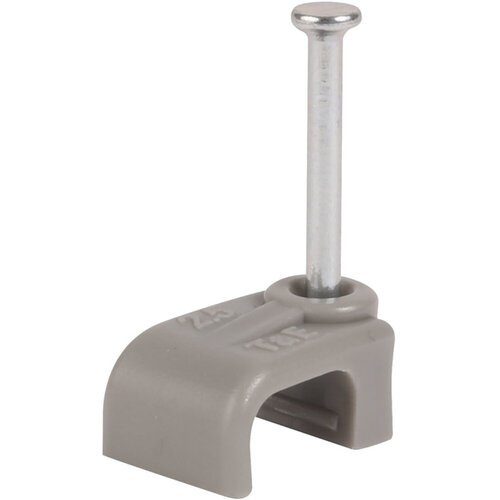
Made4Trade Twin & Earth Cable Clips Grey - 2.5mm 100 Pack
100-pack grey cable clips for 2.5mm twin & earth cable with hardened nails
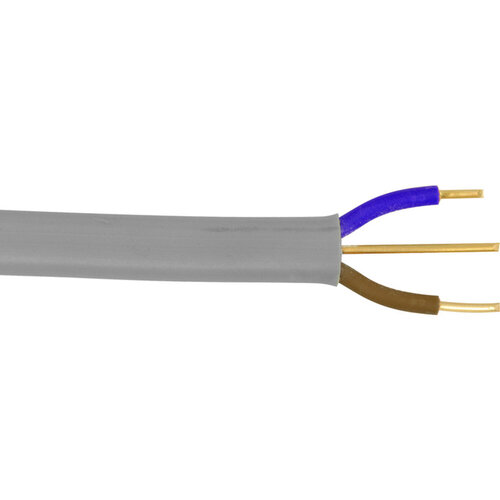
Pitacs Twin & Earth Cable (6242Y) Grey - 1.5mm² Drum 100m
Pitacs 1.5mm² twin and earth cable, 100m drum, BS 6004
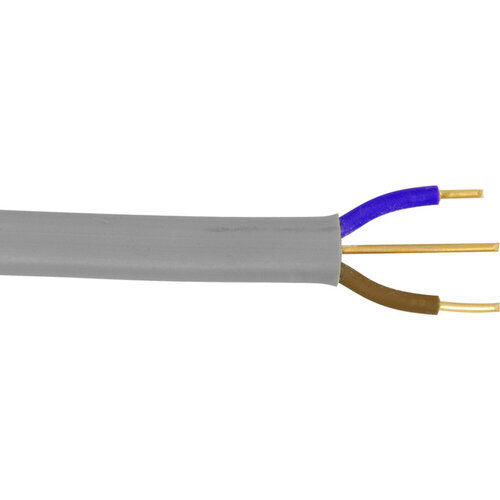
Pitacs Twin & Earth Cable (6242Y) Grey - 1.0mm² Drum 100m
1.0mm² grey twin and earth cable, 100m drum, for domestic wiring
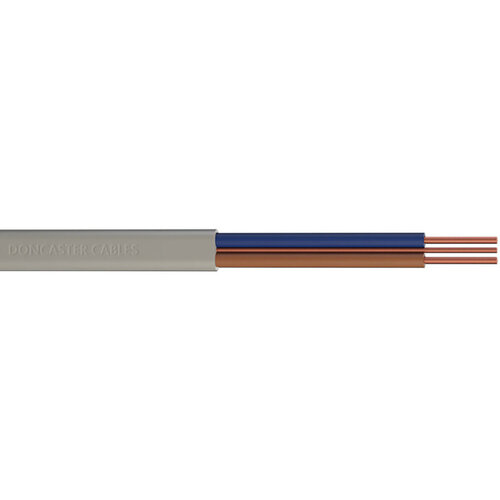
Doncaster Cables Twin & Earth Cable (6242Y) Grey - 2.5mm2 Drum 100m
100m drum of 2.5mm² twin and earth grey cable

Masterplug Pro XT 4 Socket 13A Open Cable Reel - Masterplug Four Socket 13A Medium Open Reel with 25m Cable
Four-socket 25m open cable reel with thermal cut-out and LED power indicator
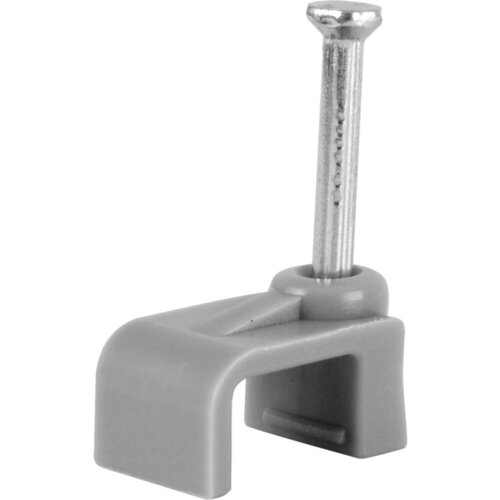
Made4Trade Twin & Earth Cable Clips Grey - 1- 1.5mm 100 Pack
100-pack grey cable clips for 1-1.5mm twin & earth cable with hardened nails
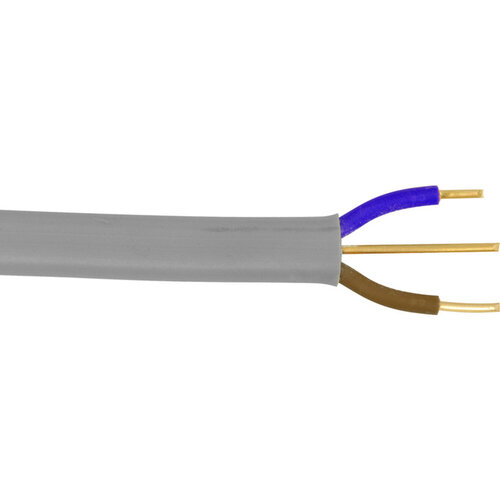
Pitacs Twin & Earth Cable (6242Y) Grey - 2.5mm² Drum 25m
PITACS Twin & Earth Cable 2.5mm², 25m drum, grey
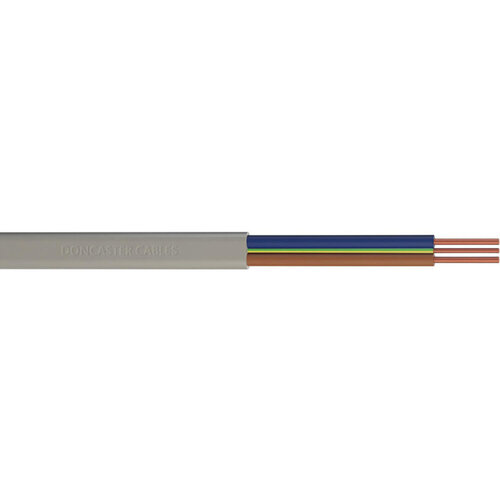
Doncaster Cables Earthsure Flat Twin & Earth Cable - Grey 2.5mm² Drum 100m
Doncaster Cables Earthsure flat twin & earth cable, 2.5mm², grey, 100m drum
For the Trade
Start with the space you’ve actually got and how the run will be used. That usually settles the choice before you get into finishes or accessories. Tight routes need something that keeps the line controlled without adding bulk. If the run is exposed or likely to be knocked, heavy duty cable management makes more sense than a neat cosmetic fix. On bigger jobs, trade cable management is often picked for speed and repeatability, but it only pays off when the layout is clear from the start. Most call-backs come from poor routing, not the product itself.
Cable
Cable is the narrower buy when the job is about the conductor itself, not the fixings around it. Cable keeps the order focused when you do not need support items in the same basket.
The choice usually comes down to route length, exposure, and how much handling the cable will take. Get that wrong and you either leave it under-protected or end up with heavier kit than the job needs.
Cable Clips
Cable clips are the buy when you need a run fixed to a surface and kept in place. They are quicker and cleaner than heavier Cable Clips or full containment, but you give up the extra protection and capacity those options bring.
The usual mistake is matching the clip to the cable size and ignoring the surface. That is when fixings split or the run works loose. For light, visible fixing, clips keep the job simple. Once the run needs more support or shielding, you move into other cable & cable management options.
Cable Connectors
If you’re buying cable & cable management for a job, the first question is whether you need support, protection, or a clean route. Cable Connectors come in where you’re joining or extending. Clips and sleeving handle the run itself.
On site, the choice comes down to space, access, and how much rework you can afford later. Go too light and you’re back at the job. Go over-spec and you add bulk for no gain.
Cable Management
Cable management is what you buy when the run needs to stay controlled after the install is done, not just connected. You’re weighing up speed, protection and how neat the finished route needs to be.
Trade cable management suits jobs where you want a clean, orderly run without overcomplicating it. Heavy duty cable management is the one to reach for when the route is more exposed or likely to get knocked. The usual mistake is buying for appearance alone, then finding the fixing method can’t support the route.
Cable Reels & Extension Leads
For this part of cable & cable management, it usually comes down to how much length you need on site and how often it moves. A reel suits longer runs and temporary power when you want the cable kept together and easy to wind back in.
A fixed extension lead is the cleaner buy when the run stays put and you just need reach. Reel size, outlet count and cable gauge matter more than the label on the box.
Get that wrong and it ends up under strain or awkward to handle. If the job is exposed or likely to get knocked, I’d go to the heavier-duty end rather than the lightest option.
Cable Sleeving
Cable sleeving is the one you reach for when the run is already set and you want to keep it together, protect it from scuffing, or tidy a bundle without changing the route. It gives you a neater finish than loose cable, without the bulk of ducting or conduit.
The main call is how much protection the job needs and how much movement you can allow. A tighter sleeve keeps things orderly. A more flexible one is easier to work with around bends and mixed bundles. The usual snag is not the sleeve itself. It’s leaving enough room for the cable it has to cover.
Key Differences When Choosing
For cable & cable management, start with what the run has to cope with, not just how tidy it needs to look. If it’s a simple route with little movement, lighter fixing and routing gear usually keeps the job quicker and cheaper.
Once the cable is exposed, likely to be knocked, or needs a cleaner line over a longer distance, move up to heavier support and protection. You give up a bit of speed and add bulk, but that is the trade-off.
If you are also picking out terminations or accessories, Wiring Accessories is the next stop. If the job is moving into power points and fixed equipment, Domestic Electricals is where the spec usually changes.
Next Decisions After Choosing
After you’ve picked the cable & cable management itself, the next call is usually what sits around it. Trunking, panels, screens or a proper enclosure keep the route protected and out of the way. That stops a tidy run turning into a snagging issue later.
On busier jobs, storage and labelling need to be part of the same decision. The route is only half the job if nobody can identify it quickly. Where the cable crosses a more exposed area, heavier protection is worth the extra bulk. Where access matters more, keep the finish lighter and easier to open.
Related searches
Local availability for Cable & Cable Management