Wall Shelves
Wall shelves come down to what you’re putting on them and how much fixing you want to show. Floating wall shelves suit lighter display work where the look matters, while metal or deeper wooden shelves are usually the pick when you need more load and less flex. Corner wall shelves work when you need to use dead space, but they are not the answer for a straight run.
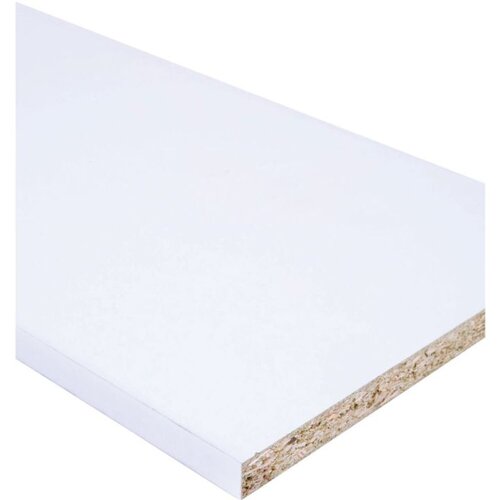
Meyer MFC Shelving FSC - 610 x 2440mm White
White melamine faced chipboard shelving board, FSC certified, 2440 x 610 x 15mm.
Meyer MFC Shelving FSC - 305 x 1830mm White
White FSC certified MFC shelving board 1830 x 305 x 15mm
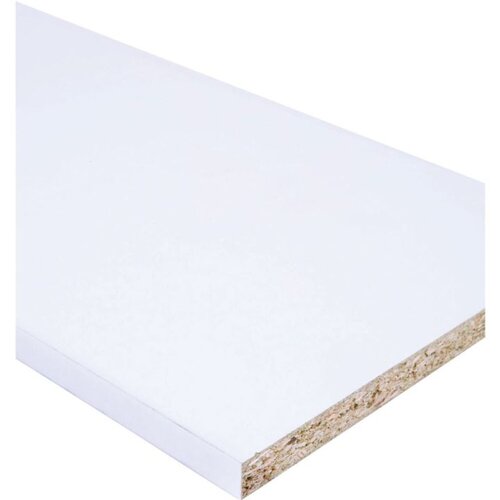
Meyer MFC Shelving FSC® - 150 x 2440mm White
White FSC-certified melamine faced chipboard shelving board, 150 x 2440mm
Meyer MFC Shelving FSC® - 380 x 2440mm White
White FSC-certified melamine faced chipboard shelving board, 380 x 2440mm
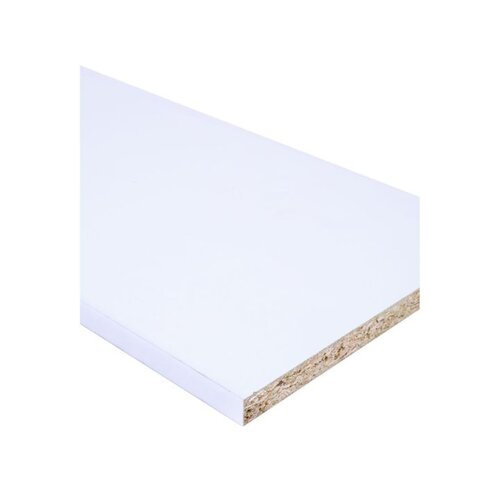
Meyer MFC Shelving FSC - 535 x 2440mm White
White FSC-certified melamine faced chipboard shelving board, 2440 x 535 x 15 mil…
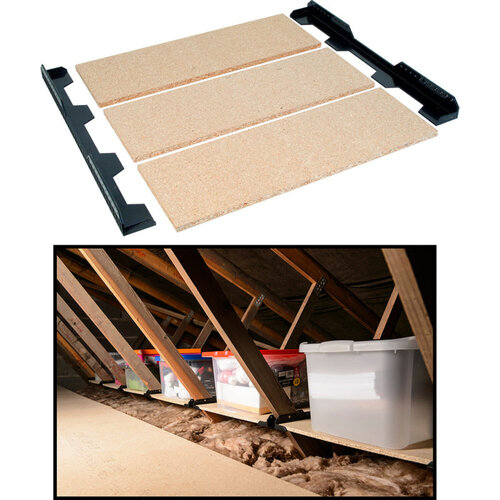
Loft LEG Loft Ledge
Loft ledge shelf kit for between trusses, 12kg capacity
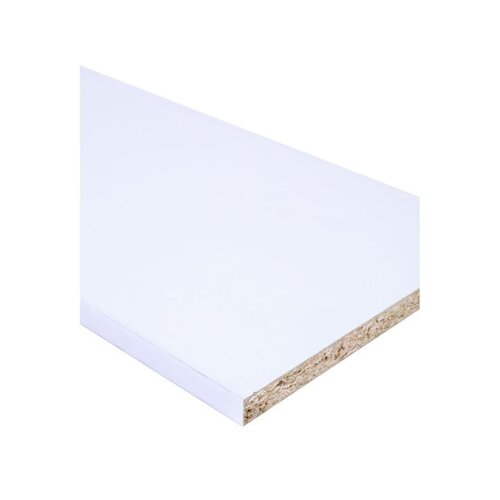
Meyer MFC Shelving FSC® - 610 x 1830mm White
White FSC-certified melamine faced chipboard shelving board, 610 x 1830mm
For the Trade
Start with the space you’ve got and what the shelf needs to carry. That usually settles the job before finish does. If you’re working with a tight run or awkward return, corner wall shelves can make better use of the wall. Where the load is heavier, or the shelf is likely to get knocked, you’ll usually move away from lighter floating wall shelves and into something with a firmer build. Decorative wall shelves only come into it once the layout is sorted. A shelf that shifts or sags is the one that gets called back.
Wall Shelve Options Compared
Floating wall shelves suit light loads when you want the fixing out of sight. They are not the pick for rough handling or awkward weight.
Corner wall shelves make better use of dead corner space. In a tight room, they can work harder than a straight run, but they do need a wider footprint.
Adjustable wall shelves suit jobs where the spec may change or the layout keeps shifting. You can change the setup without starting again.
For heavier kit, heavy duty wall shelves or trade wall shelves are the ones to look at. If you are weighing up finishes and fixing styles across Shelving & Storage, wooden wall shelves usually suit a cleaner look, while metal versions make more sense when durability matters more than appearance.
Choosing Materials and Size
Material and fixing usually decide it first. Wooden wall shelves suit a cleaner finish and modest loads. Metal wall shelves make more sense where knocks, damp or heavier stock are part of the job.
Floating wall shelves keep the fixing less visible, but they are less forgiving if the wall is not sound or the load is underestimated. That is where call-backs start. Corner wall shelves are worth using when you need to turn dead space into usable storage. Adjustable wall shelves help when the spec may change later.
If the shelf is only part of the job, sort the rest with Storage Bins or Tool Storage.
Completing the Setup
Once the wall shelves are chosen, the next call is what sits around them. If the shelf is carrying loose stock or small parts, storage bins usually make more sense than leaving everything open. They keep the shelf from turning into a mixed pile.
For tools, move over to tool storage instead of forcing them onto display-style shelving. You get a cleaner job and less chance of items being knocked off. Where the room finish matters, keep the shelf line simple and let the surrounding storage do the heavy lifting.
Related searches
Local availability for Wall Shelves


