Tree Loppers
Tree loppers come down to reach, cut size and how much effort you want in the handles. Fixed models are usually the cleaner choice for regular pruning. Telescopic tree loppers help when the branch is just out of comfortable reach, though the extra length can feel less rigid on heavier cuts. Bypass blades suit live growth and give a cleaner finish, while ratchet or heavier-duty options suit tougher wood when you want less strain on the cut.
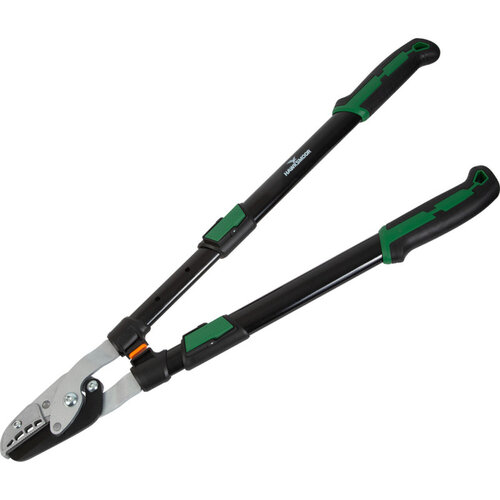
Hawksmoor Telescopic Anvil Lopping Shears
Telescopic anvil loppers with 40mm cutting capacity, extends 660-915mm
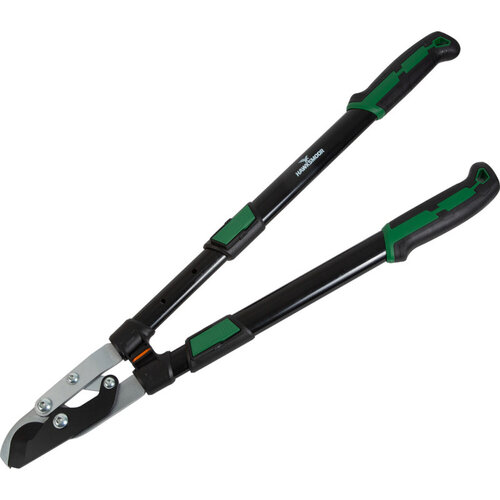
Hawksmoor Telescopic Bypass Lopping Shears
Telescopic lopping shears with adjustable 660-915mm handle and non-stick steel b…
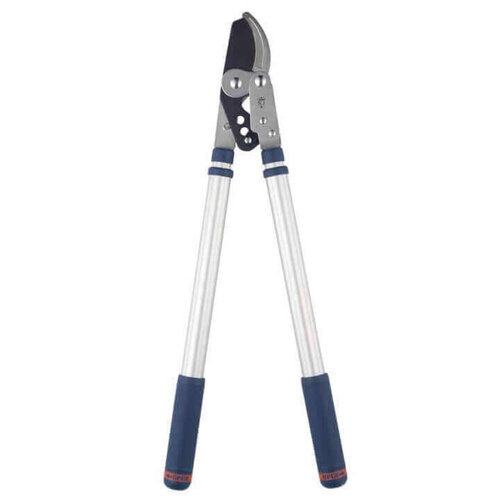
Spear & Jackson Telescopic Bypass Loppers Razorsharp
Telescopic bypass loppers with Razorsharp blades for pruning branches
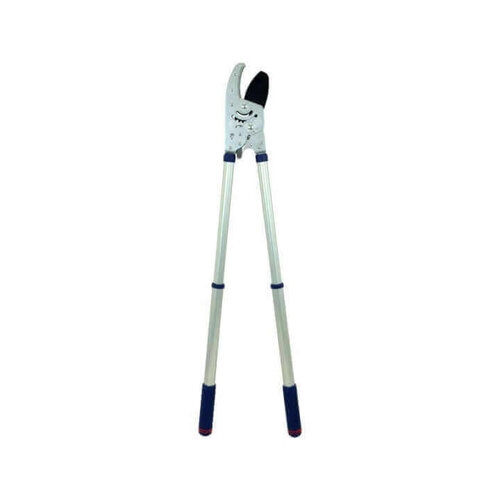
Spear & Jackson Telescopic Anvil Loppers Razorsharp
Spear & Jackson telescopic anvil loppers for tree pruning.
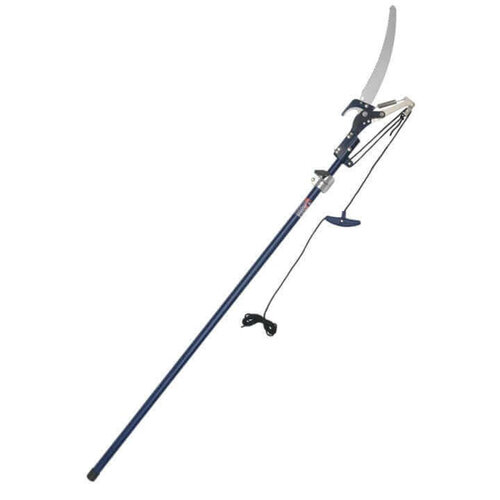
Spear & Jackson Telescopic Tree Pruner Razorsharp
Spear & Jackson Telescopic Tree Pruner Razorsharp
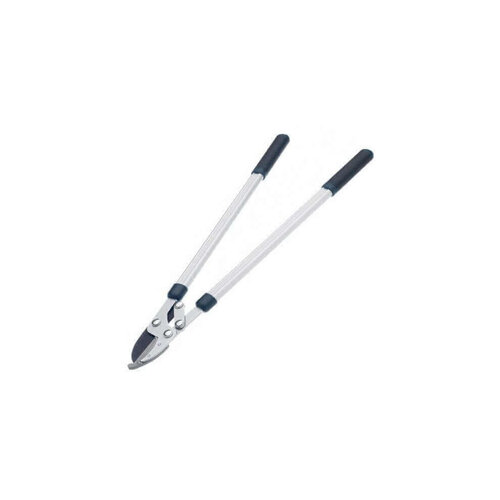
Bulldog BD1101RW Premier Compound Anvil Lopping Shears Soft Grip
Compound action anvil lopping shears with soft grip handles.
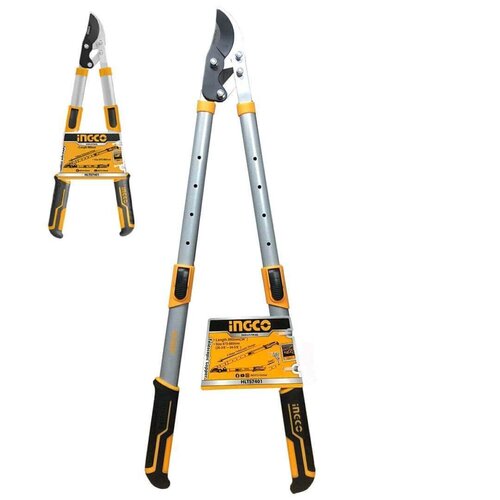
Ingco Telescopic Pruning Shears - 66-86cm
Telescopic pruning shears, 660-860mm length, max cut 25mm
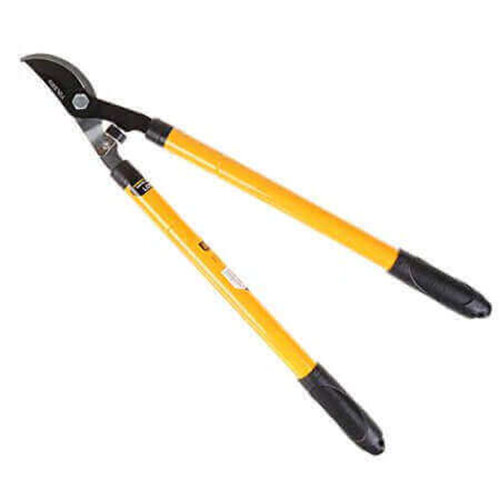
Tolsen Telescoping Tree Pruner Bypass Lopper and Anvil Lopper - 26"-36" handle
Telescoping bypass tree pruner lopper with 26-36 inch handles
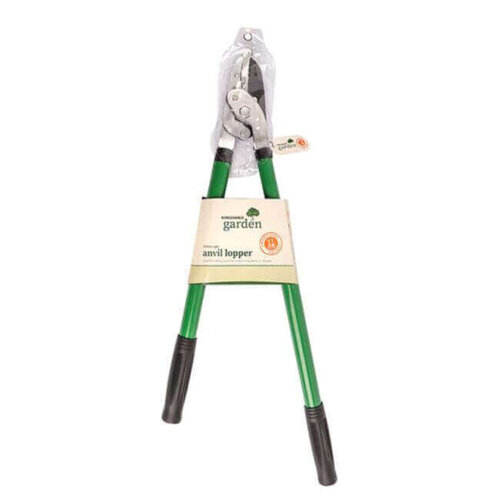
Kingfisher Telescopic Anvil Lopper
Telescopic anvil lopper with 190mm blade and adjustable 610-950mm handles
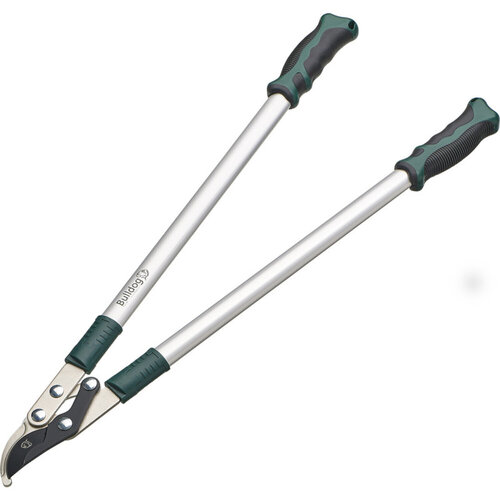
Bulldog Bypass Lopping Shears
Bypass lopping shears with 38mm cutting capacity, aluminium handles.
For the Trade
Start with the space you’ve actually got and how the tool will be used on the day. Close work on regular growth usually points to tree loppers with a fixed handle, because they stay stiffer in the hand and give you a cleaner cut. When reach is the issue, telescopic tree loppers earn their keep, but you give up some rigidity, and that shows when you’re pushing through harder wood. If the cut is the problem rather than access, ratchet or heavy-duty options are the ones to look at.
Tree Lopper Types and Layouts
Fixed tree loppers suit routine pruning when you want a cleaner, quicker cut and less faff with moving parts.
Telescopic tree loppers earn their keep when the branch is just out of comfortable reach. You gain reach, but give up a bit of stiffness, so the cut can feel less positive.
Long handled tree loppers give you extra leverage without extending sections. That makes them the steadier pick when reach is not the main issue.
Heavy duty tree loppers suit tougher wood and repeat use. They bring more bite, with a bit more weight in hand.
If you’re keeping the kit together, the Garden Hand Tools range keeps the job in one place.
What to Check Before You Buy
The first call is reach versus control. Shorter tree loppers sit better for work close in, and they stay easier to place over a full day. Telescopic tree loppers suit fences, shrubs and awkward crowns when you want to avoid constant ladder moves.
The trade-off is weight and flex. Longer handles always ask more from the cut. For thicker, harder wood, heavy duty tree loppers are the better fit. For cleaner cuts on live growth, bypass jaws usually leave the neater finish. Once the branch is beyond hand-tool territory, move to Bow Saws. For rougher clearing or heavier reduction, Axes take over.
Useful Alongside Tree Loppers
Once you’ve picked the tree loppers, the next call is what else is left on the job. If you’re cutting heavier material, a bow saw or axes may still be needed for the bits the loppers won’t take cleanly. That keeps you from forcing the cut.
Storage and transport matter too. Tools thrown loose in the van are the ones that come back blunt or bent. On bigger maintenance jobs, it’s often the surrounding kit, not the loppers, that keeps the day moving.
Related searches
Local availability for Tree Loppers




