Multi Surface Paint
Multi surface paint is the one you reach for when you need a single coating across mixed materials without changing product every time the substrate changes. It suits jobs where speed matters more than a specialist finish, but check the surface condition first - a sound, clean base will save you grief, while poor prep will still show through. If you need a tighter system for one material, a dedicated product is still the safer call.
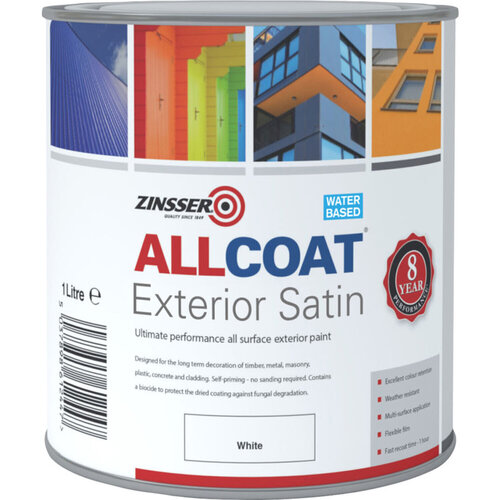
Zinsser Allcoat Exterior Satin Paint - White 1L
White exterior satin paint, self-priming for multi-surface use, 1 litre
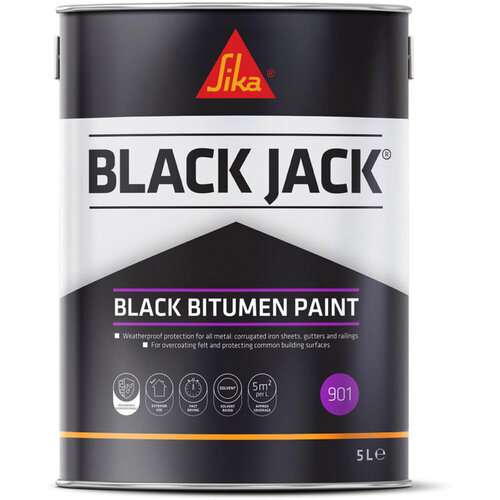
CROMAR Black Bitumen Paint WaterProof WeatherProof Corrosion Resistant - 5L
Black bitumen paint 5L for waterproofing and protecting metal, wood, concrete.
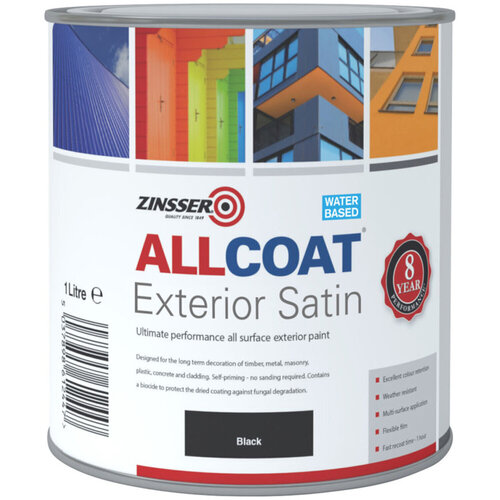
Zinsser Allcoat Exterior Satin Paint - Black 1L
Black exterior satin paint, self-priming for multi-surface use, 1 litre
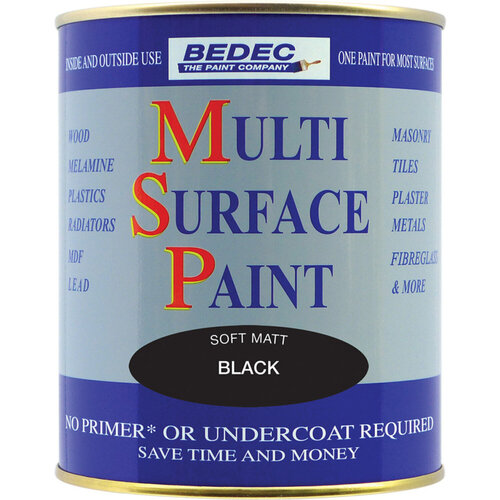
Bedec Multi Surface Paint - Matt Black 750ml
Matt black multi-surface paint (750ml) for interior and exterior use
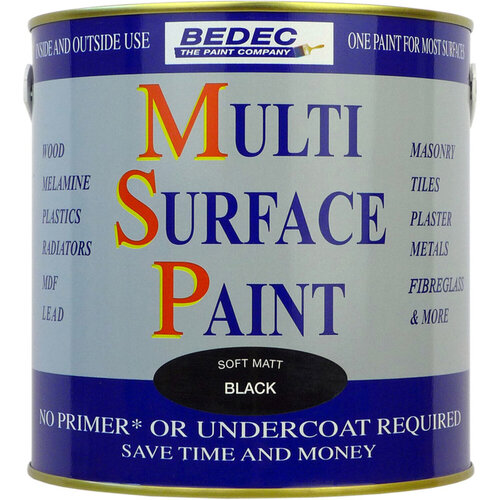
Bedec Multi Surface Paint - Soft Matt Black 2.5L
Water-based soft matt black multi-surface paint, 2.5L, interior/exterior.
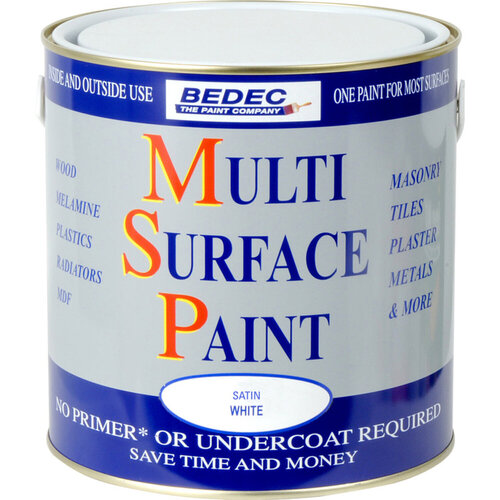
Bedec Multi Surface Paint - Satin White 2.5L
Satin white 2.5L multi-surface paint for interior and exterior use
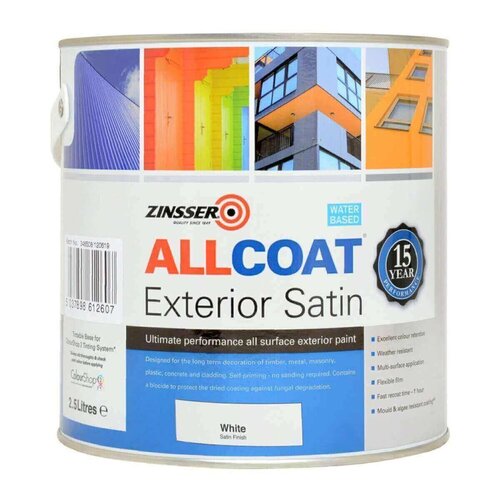
Zinsser Allcoat Exterior Satin - 2.5L White
Zinsser AllCoat Exterior Satin white paint, 2.5L, mould resistant
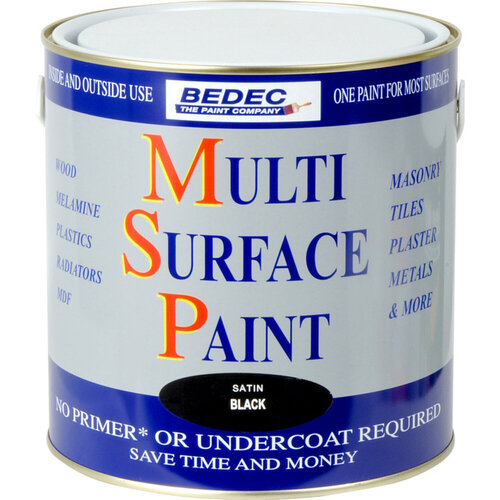
Bedec Multi Surface Paint - Satin Black 2.5L
Water-based satin black multi-surface paint, 2.5L, interior/exterior.
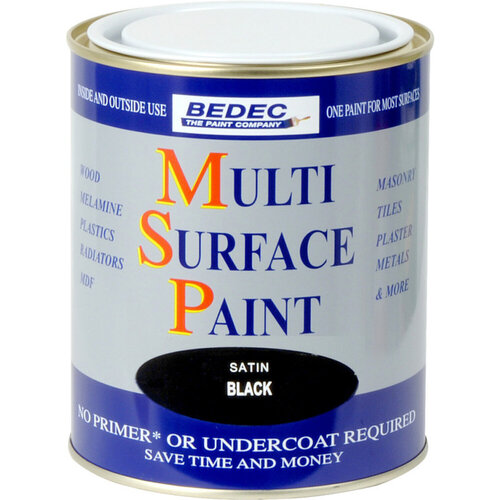
Bedec Multi Surface Paint - Satin Black 750ml
Satin black multi-surface paint (750ml) for interior and exterior use
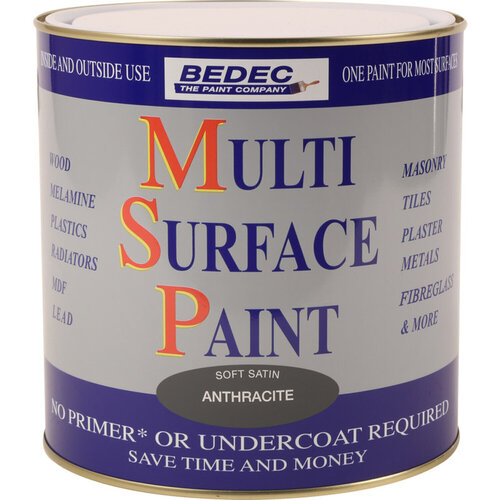
Bedec Multi Surface Paint - Satin Anthracite 2.5L
Satin anthracite multi-surface paint (2.5L) for interior and exterior use
For the Trade
You usually narrow multi surface paint by how many different substrates you’ve got and how much time you’ve got between coats. On mixed jobs with wood, metal, plastic or previously coated areas, it cuts out separate systems. You do give up some of the certainty you get from a single-purpose coating on one material. If the programme is tight, quick drying versions are worth a look. If the finish is going to take knocks or regular cleaning, go for the tougher end of the range. The call-backs usually come from jobs where the surface mix was wider than the spec allowed.
Multi Surface Paint Types and Layouts
For most jobs, the first split is between interior multi surface paint and exterior multi surface paint. Interior grades are the neater pick when you want easier application and a cleaner finish. Exterior versions suit work that needs weather resistance, even if you give up a bit of finesse.
Trade multi surface paint sits in the middle on busy jobs. It gives you solid coverage and a sensible drying time without paying for a specialist finish.
Quick dry multi surface paint helps when the next coat needs to go on and the job is moving. You lose some working time. Durable multi surface paint is the better call for harder use, but it is not always the quickest to turn round.
See the parent Specialist Paint range if you’re weighing this against other specialist options.
What to Check Before You Buy
The first thing to check is what you’re painting over. Multi surface paint covers well on some substrates and can be thin on others. New plaster and bare masonry usually drink it in, so coverage and recoat time won’t be the same as they are on previously painted surfaces.
If it’s going over sound paint, you’re mainly judging how far it spreads and how soon you can get the next coat on. On repaired or patchy areas, you may still need primer or undercoat rather than expecting one product to do everything.
For a one-off item, Furniture Paint is the more sensible buy. Radiator Paint is the one to use where heat and movement matter.
Useful Alongside Multi Surface Paint
Once you’ve settled on multi surface paint, the next call is usually what the surface needs before you open the tin. On sound, previously coated areas, you may only need a light key and a compatible undercoat. Patch repairs, stained spots and mixed substrates slow the job down if you skip prep.
Primer Paint comes in when adhesion or stain control matters more than speed. The right undercoat helps you keep the finish even and avoid chasing patchiness with extra coats.
Keep the tools matched to the finish too. A roller that leaves texture or a brush that drags will show up straight away on this sort of work.
Related searches
Local availability for Multi Surface Paint