Telescopic Ladders
Telescopic ladders suit jobs where storage and van space matter more than carrying a fixed-length ladder. You’re usually choosing between a lighter aluminium telescopic ladder for easier handling, or a heavy duty version if it’ll see regular trade use and a bit more abuse. They pack down small, but the sections and locks still need to feel solid when you extend them. If you need something compact for quick access jobs, they make sense. If you want maximum rigidity or a longer reach all the time, extension ladders are still the better shout.
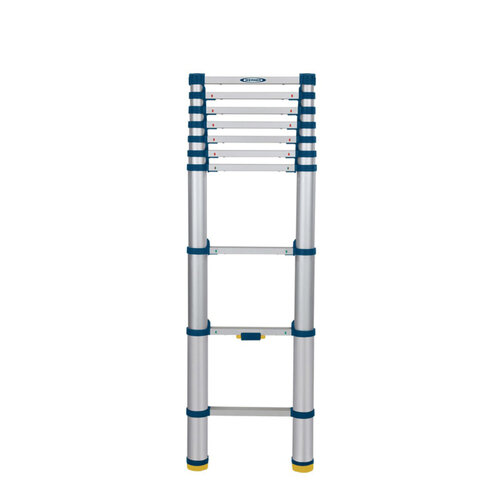
Werner Telescopic Ladder - 2.9m
Werner telescopic ladder – extends to 3.8m, aluminium, EN131
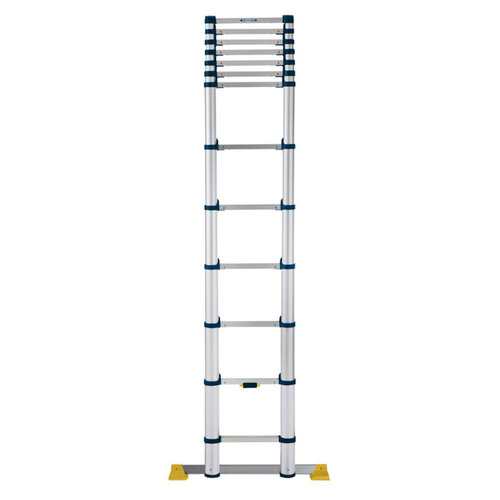
Werner Telescopic Ladder - 3.8m / 1.09m x 0.47m x 0.08m
Professional telescopic ladder extending to 3.8m, closes to 1.09m for transport
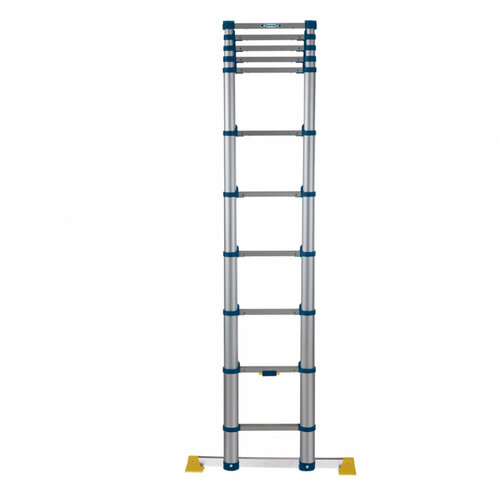
Werner Telescopic Extension Ladder - 3.2m
Aluminium telescopic ladder, 3.22m extended, 150kg max load.
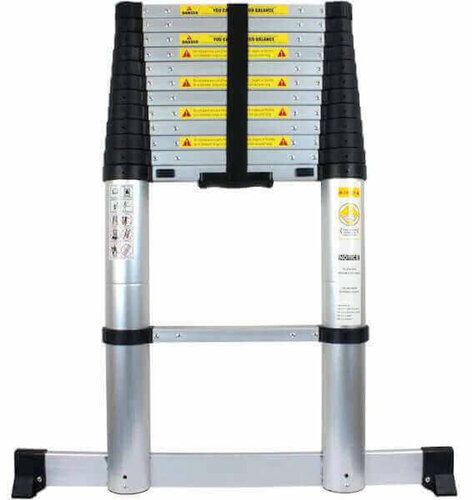
Prodec Telescopic Ladder - 3.8m
Prodec telescopic ladder, 3.8m extended length
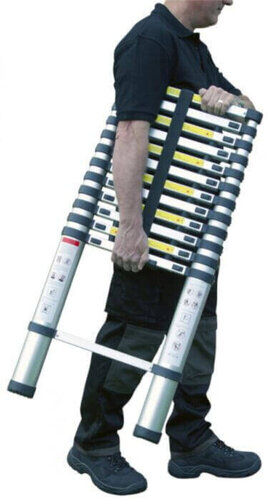
Prodec Click 'N' Climb Telescopic Extension Ladder Aluminium - 3.8m
Prodec Click 'N' Climb 3.8m aluminium telescopic ladder, EN131 certified.
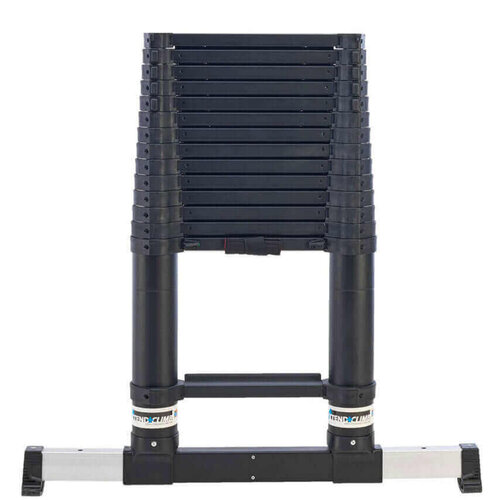
TB Davies Xtend+Climb Superpro Aluminium Professional Telescopic Ladder - 4.4m
4.4m professional telescopic ladder in aircraft-grade aluminium with auto-stabil…
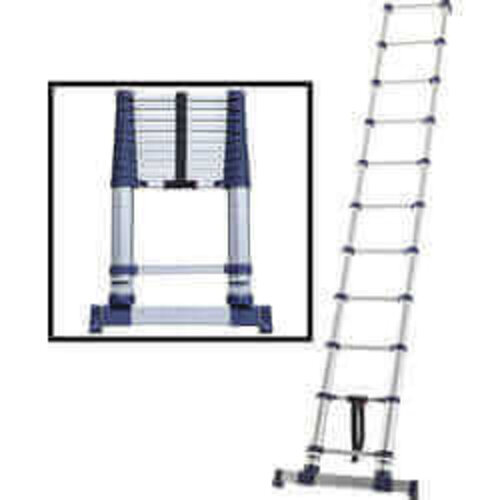
TB Davies Xtend+Climb Aluminium Professional Telescopic Ladder - 3.2m
3.2m aluminium telescopic ladder with automatic stabilising bars
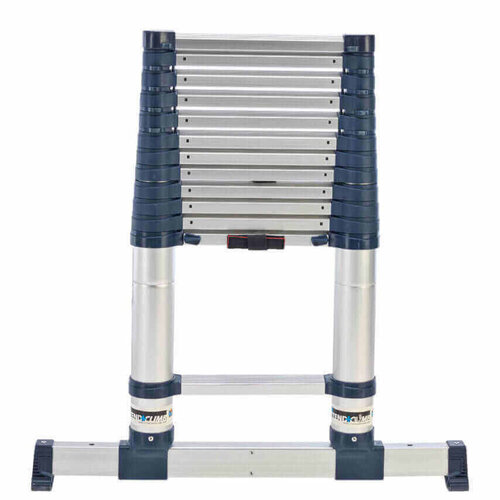
TB Davies Xtend+Climb Aluminium Professional Telescopic Ladder - 3.8m
Aluminium professional telescopic ladder conforming to EN131-6 2019
For the Trade
What usually decides it is how often you’re moving it, how much reach you need, and whether the job is light enough for an aluminium telescopic ladder or hard enough to justify a heavy duty version. A compact ladder is the one you keep in the van when space is tight and access changes from job to job. If you want quicker set-up and less faffing with sections, a full-size fixed ladder still makes more sense. Most call-backs come from ladders that are too short, too heavy, or awkward to carry through the building, so check the working height and handling before you price it.
Telescopic Ladder Options Compared
Standard telescopic ladders suit lighter, occasional use when you want the smallest pack-down and easy carrying in the van.
Trade telescopic ladders make more sense when the ladder is out every day. They usually feel steadier in hand and stand up better to repeated site use, but you’ll usually pay more and carry a bit more weight.
Heavy duty telescopic ladders are the one to look at when the job is harder on the kit or you want a firmer feel at working height. If you’re comparing the range against other access kit, start with Ladders & Platforms and narrow it from there.
Choosing Materials and Size
Material is the first call. An aluminium telescopic ladder is usually the one you pick when you’re carrying it in and out all day. It’s lighter and easier to handle, but you give up some of the solid feel you get from heavier kit.
Size matters just as much. Go compact if it has to live in a van or tight store. Don’t chase the smallest folded length if you still need reach.
If the job is more about repeated access than long climbs, Warehouse Steps or Van Rear Door Ladders may be the cleaner buy.
Completing the Setup
Once you’ve picked telescopic ladders, the next call is what’s going around the job. That usually decides what else goes in the order.
If you’re loading out of a van, a rear-door ladder or storage kit keeps loose kit under control and close to hand.
On bigger jobs, warehouse steps or a platform option can be the next buy when you need a steadier position for repeated access. A lot of call-backs start with the wrong support kit, not the ladder itself.
Related searches
Local availability for Telescopic Ladders





