Tool Backpacks
Tool backpacks suit jobs where you need both hands free and the kit stays on your back between tasks. Size and layout are the main call. A small tool backpack is easier to carry and quicker to live with. A larger one gives you more pockets and room for bulkier kit, but it soon gets heavy if you overfill it. A heavy duty tool backpack is worth it when the bag takes daily punishment. A lighter trade tool backpack works if you are not dragging it through rough access all day.
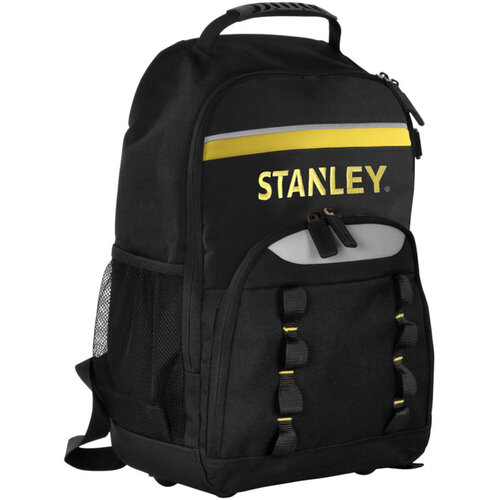
Stanley Backpack - 450 x 300mm
Durable 15L tool backpack with 600 denier fabric and waterproof base, 450x300mm
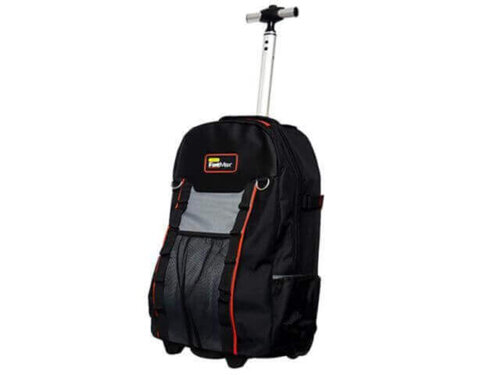
Stanley FatMax Backpack on Wheels
Durable tool backpack on wheels with rolling handle and rigid open stand
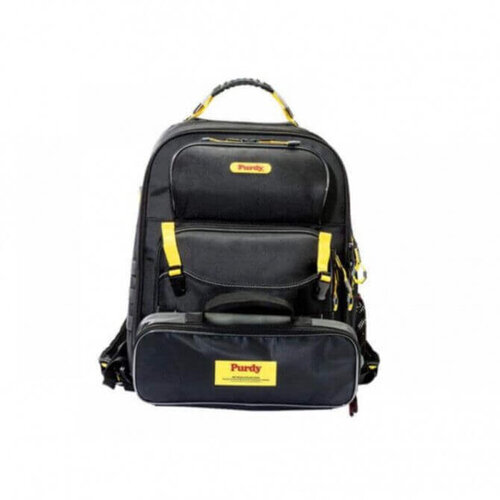
Purdy Painter's Backpack
Backpack for decorating tools from Purdy
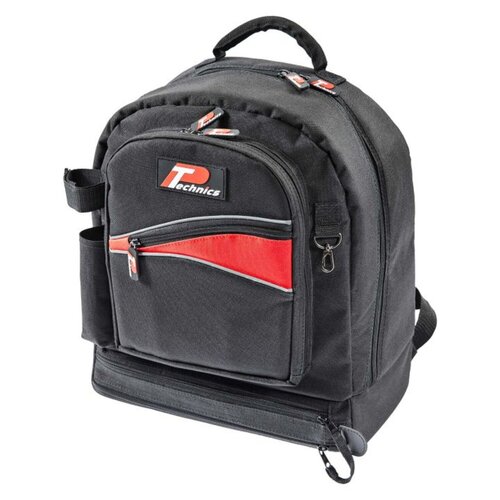
Technics Tool Rucksack
Technics tool rucksack with reflective hi-vis panels and 600 x 600 denier materi…
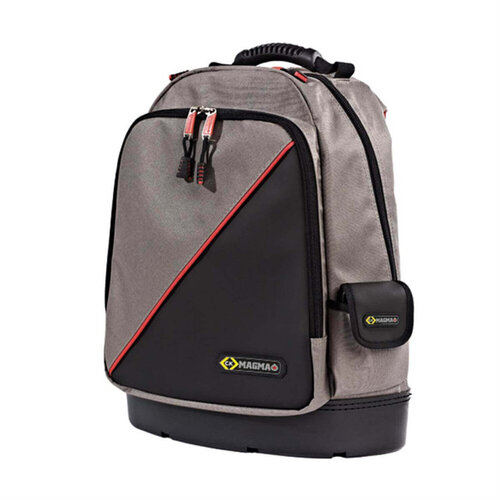
C.k Tools Magma Technician's Rucksack Plus
Technician's rucksack with 39 pockets, padded tablet section, and waterproof pol…
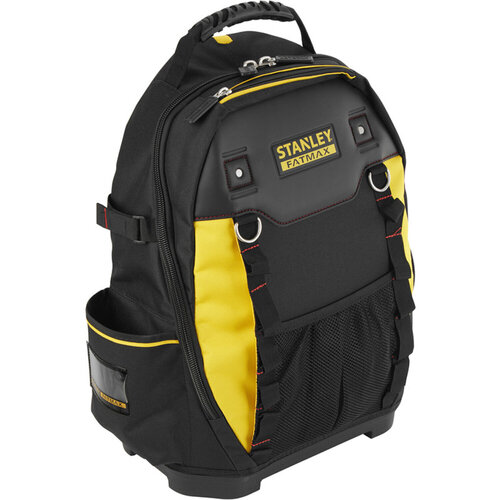
Stanley Fatmax Backpack - 18"
Stanley FatMax 18-inch backpack in heavy-duty 600 denier fabric
For the Trade
Start with what you need to carry and how much room you’ve got in the van or on your back. A small tool backpack keeps the load tight and stops you overfilling it, which matters when you’re only carrying the daily kit. Go larger if you’re splitting one bag between fixings, test gear and hand tools, but once it gets too bulky it starts catching on ladders and in tight plant rooms. A heavy duty tool backpack suits bags that get dragged about every day and take knocks at the base. Lighter trade tool backpack options make more sense if you’re not loading it hard.
Tool Backpack Types and Layouts
A small tool backpack works better in tight access and on ladders. You give up spread-out storage, so each pocket ends up carrying more.
A larger trade tool backpack suits mixed kit and keeps heavier bits better separated. The trade-off is weight. It becomes awkward on longer walks across site.
For rougher daily use, a heavy duty tool backpack tends to hold its shape better. If you are weighing it against the rest of your Tool Storage, decide whether you need everything on your back or just a lighter carry for the job.
What to Check Before You Buy
Size is the first call with tool backpacks. Go too small and you end up stuffing pockets or carrying a second bag. Go too large and it gets bulky in tight access and on ladders.
A small tool backpack suits a lean daily kit when you want a compact footprint and less weight on your back. A larger trade tool backpack makes more sense when you’re carrying mixed kit and need room to separate it out, but it only pays off if you’ll actually fill it.
For rougher daily use, a heavy duty tool backpack usually keeps its shape better. If you need to lock kit away in the van, look at Vehicle & Site Safes. If you’re splitting hand tools from stored stock, Tool Storage Drawers is the next place to look.
Useful Alongside Tool Backpacks
Once you’ve picked your tool backpack, the next call is what else needs to travel with the job. If you’re carrying fixings, terminals or small parts, tool storage drawers and organisers keep them from disappearing to the bottom of the bag. That saves time when you’re back at the van.
If kit stays in the vehicle overnight, a vehicle & site safe is the next step. The bag keeps you mobile. The safe keeps the expensive stuff out of sight. Splitting what you carry on your back from what stays locked away cuts down on mixed kit and wasted time.
Related searches
Local availability for Tool Backpacks





