Waterproof Footwear
Waterproof work boots come down to how wet the job gets and how much weight you want on your feet. In standing water, deep mud or long winter shifts, a fuller waterproof build makes sense. If you are mainly dealing with showers and damp ground, water resistant boots may be enough and usually feel lighter. More water protection often brings less breathability and a stiffer boot, so match the spec to the day rather than overbuying it.
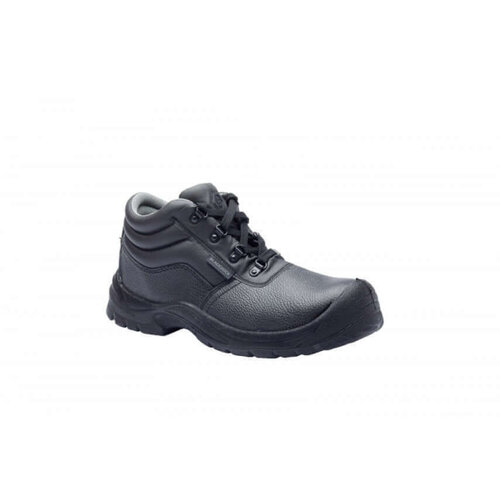
Blackrock Water Resistant Chukka - Size 10
Blackrock water-resistant chukka boots, size 10
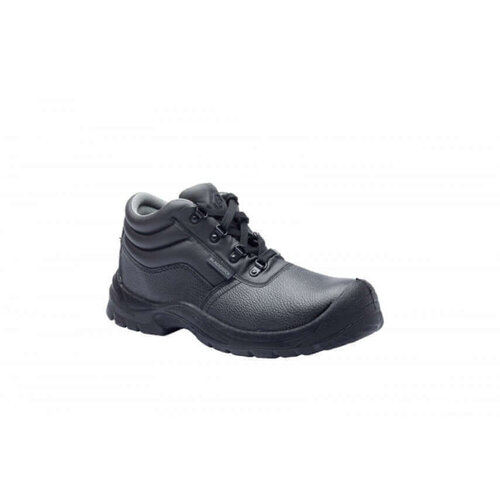
Blackrock Water Resistant Chukka - 9
Blackrock water resistant chukka, size 9
For the Trade
Start with the space you’ve got and how the pair will be used, then work back from there. A waterproof work boot that feels fine in a roomy van or yard can be a pain if you’re climbing in and out all day. A heavier build only makes sense when you’re in wet ground for long stretches. Water resistant boots may cover lighter exposure, but once the water is persistent, you want the proper waterproof spec. That is usually the difference between getting through the job and sending them back.
Waterproof Footwear Options Compared
If you’re choosing waterproof work boots, start with how wet the job really is and how much boot you want on your foot. A taller boot usually makes more sense in standing water or heavy splash. A lower cut is easier if you’re moving about more and want less bulk round the ankle.
Some pairs are only water resistant boots. They’ll cope with showers and damp ground, but not much more. If you’re comparing options across Safety Footwear, the trade-off is usually simple. More water protection means more boot to carry.
Choosing Materials and Size
The first question is how much wet you’re actually dealing with. Waterproof work boots with a full membrane earn their keep when you’re in puddles, slurry or wet grass all day. For light rain and dry floors, they can be more boot than you need.
Then look at the upper. Leather usually takes more punishment. Mixed materials are easier to live with if you’re in and out of the van all day.
Check the fit with the socks you’ll wear. A boot that’s tight across the instep soon gets left in the locker.
If you need a tougher specialist pair, Chainsaw Boots sit in a different lane. If the laces or insoles are giving up first, Laces & Insoles is where you sort the rest of the life out.
Completing the Setup
Once you’ve picked the right waterproof work boots, the next call is what you keep with them on the job. If you’re in and out of wet ground all day, keep a spare pair of laces and a decent insole set in the van. That’s often what gets a boot back into service after a wet week.
Where the job is more severe, chainsaw boots are a separate buy. The spec changes completely, so you don’t mix that up with ordinary wet-weather footwear. For lighter days, water resistant boots can be enough. When the ground stays soaked, you’re back to a full waterproof pair.
Related searches
Local availability for Waterproof Footwear

