Gate Hinges
Gate hinges come down to load, exposure and how much adjustment you need after hanging. For lighter garden work, a standard gate hinge is usually enough. Once the gate is wide, heavy or gets a lot of use, heavy duty gate hinges or adjustable gate hinges make more sense, giving you more support and some correction if the post moves. Finish matters too - galvanised gate hinges are the usual pick outside, while stainless steel is the better call where corrosion is the main worry.
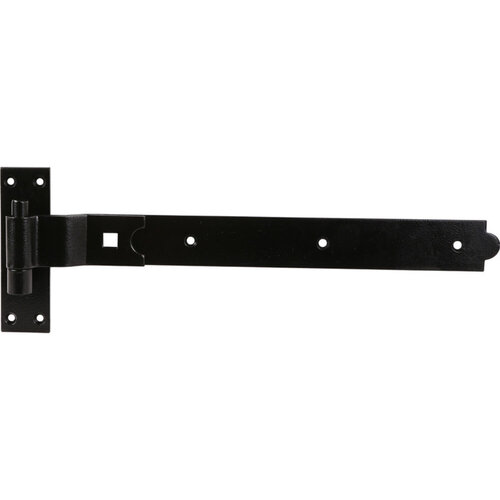
Hook & Band Black Cranked Hinge - 450mm 2 Pack
Pack of 2 black cranked hook & band hinges, 450mm
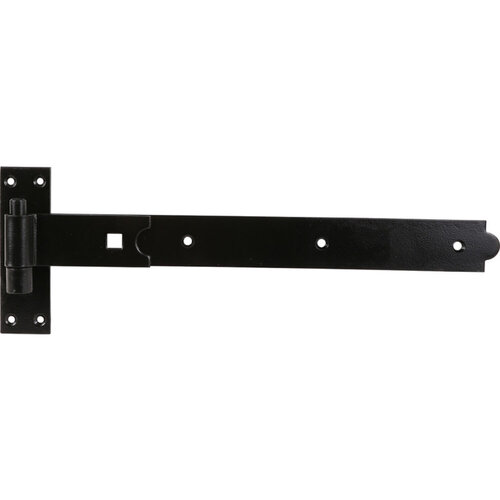
Hook & Band Black Straight Hinge - 300mm 2 Pack
Black straight hook & band hinge for heavy gates, 300mm, 2-pack
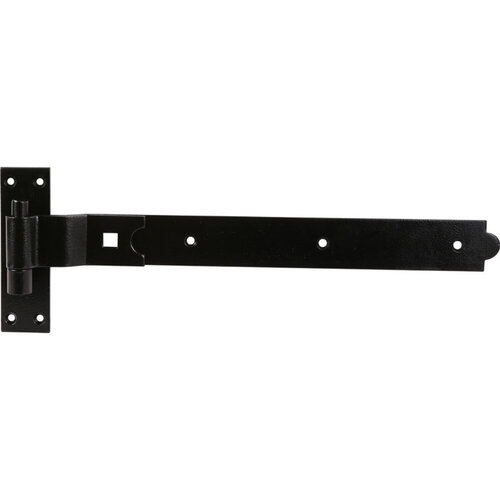
Hook & Band Black Cranked Hinge - 300mm 2 Pack
Pack of 2 black cranked hook & band hinges, 300mm
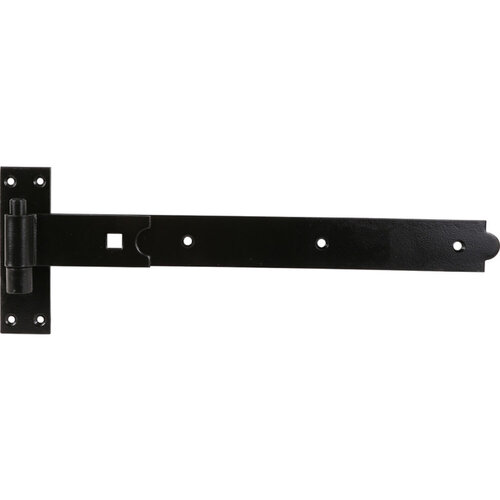
Hook & Band Black Straight Hinge - 450mm 2 Pack
Black 450mm hook & band hinge, 2 pack, for heavy domestic gates
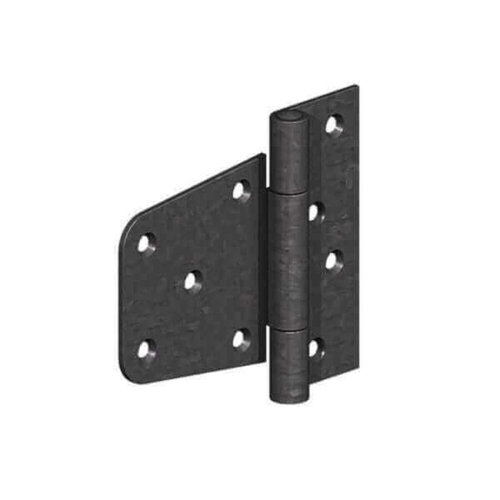
Gatemate Offset Hinge - 89mm Black
89mm black heavy-duty offset hinge for gates and doors
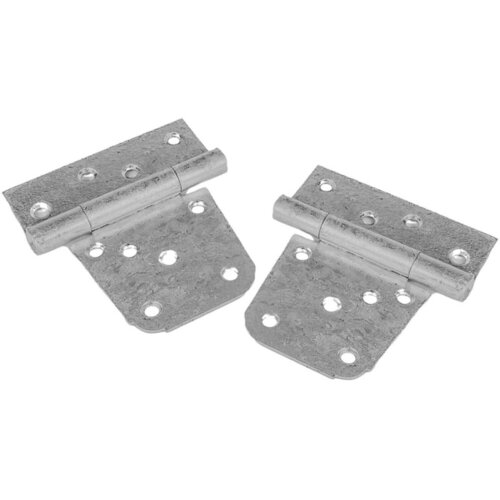
Gatemate Offset Hinge - 89mm Galvanised
89mm galvanised steel offset hinge for heavy-duty doors and gates
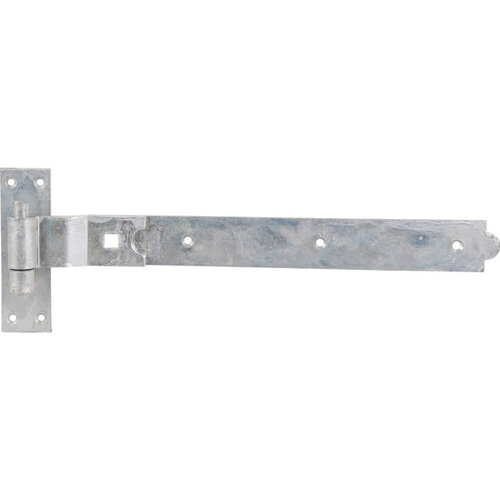
Hook & Band Cranked Hinge - 600mm 2 Pack
600mm cranked hook and band gate hinge, galvanised, pack of 2
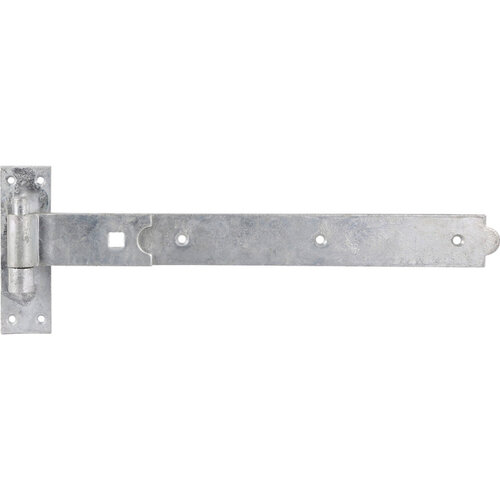
Hook & Band Straight Hinge - 600mm 2 Pack
Perry Straight Hook & Band Hinge 600mm 2 Pack
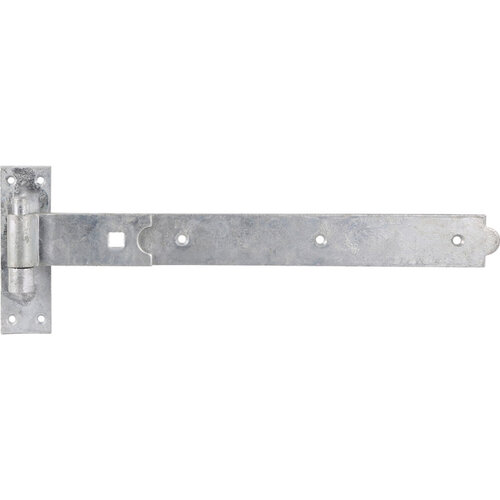
Hook & Band Straight Hinge - 250mm 2 Pack
Perry Straight Hook & Band Hinge 250mm 2 Pack
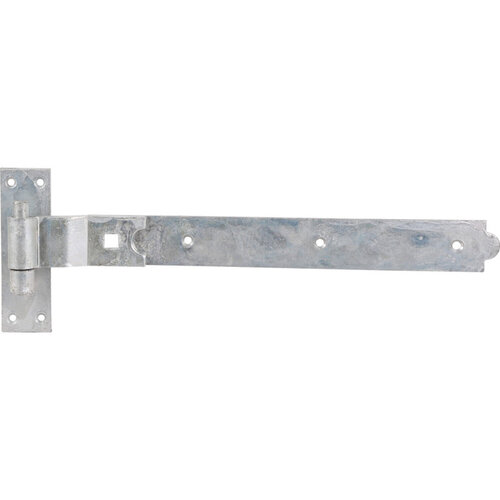
Hook & Band Cranked Hinge - 450mm 2 Pack
Pack of two galvanised 450mm cranked hook & band gate hinges
For the Trade
Start with the gate’s weight, how often it’ll be used, and whether you need adjustment after hanging. That tells you more than the label on the pack. A heavier leaf or a gate that tends to drop needs a heavier pattern. A lighter run can stay with a simpler gate hinge and save cost. If it’s out in the weather, galvanised gate hinges are the usual pick because they hold up better than plain steel. If the job needs a cleaner finish, black gate hinges are often chosen, but the fixing and load still need to suit the gate, not just the colour.
Popular Gate Hinge Formats
For most jobs, you’re choosing between how much movement you need and how much load the hinge has to carry. Hinges is the parent range, but the split is usually between standard external gate hinges for lighter runs, heavy duty gate hinges for wider gates or harder use, and adjustable gate hinges when you need to fine-tune the hang after fitting.
Galvanised gate hinges are the usual pick for exposed work because they stand up better to weather. Black gate hinges are more often used where the finish matters and you want the hinge to sit back visually. Self closing gate hinges suit access points that need to shut themselves, but you give up some simplicity and usually some adjustment range.
Key Differences When Choosing
Material is the quickest way to narrow it down.
If the gate sees hard daily use, stainless steel gate hinges usually give you a firmer face and better resistance than lighter finishes. The trade-off is handling. They are heavier to move and less forgiving when you are working alone.
Galvanised gate hinges are the usual call where weather exposure matters more than appearance. Black gate hinges make more sense when the finish is part of the brief and the gate is not taking the same punishment.
For a lighter run, there is no point overbuying. If the job shifts to internal ironmongery, Door Hinges or Cabinet Hinges are the other counters you would head to.
Next Decisions After Choosing
Once you’ve picked the gate hinges, the next call is usually what the gate is hanging off and how the run is being finished. A timber gate with a bit of movement needs different support to a framed metal gate, so the fixing side starts to matter as much as the hinge itself.
On bigger jobs, you’ll often sort the latch, catch and any stops at the same time. That is where the call-back usually comes from, not the hinge leaf. If the gate sits in a longer boundary, get the surrounding panels or screening agreed before you order the ironmongery. Otherwise, you end up changing the hardware to suit the finish.
Related searches
Local availability for Gate Hinges




