Step Stools
Step stools usually come down to height, footprint and how often you move them. A folding step stool works when you need it out of the way between jobs, while a heavier plastic step stool is often left where it gets used all day because it is quick to grab and easy to wipe down. If you are choosing between a 2 step stool and a 3 step stool, the extra step gives you more reach, but it also adds bulk and can be awkward in tighter rooms.
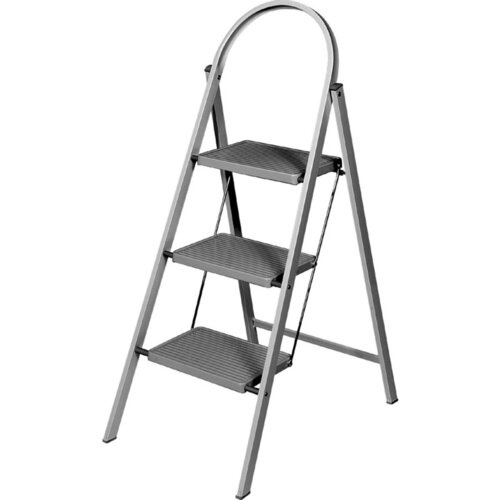
Handy Step Stool - 3 Tread SWH 2.43m
Grey steel-framed 3-tread step stool with slip-resistant feet, folds flat, top s…
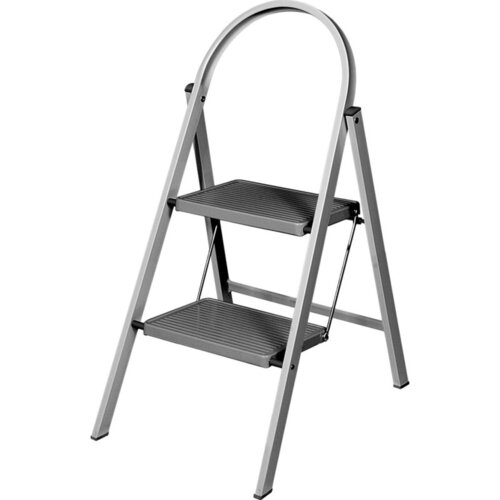
Handy Step Stool - 2 Tread SWH 2.20m
Grey steel step stool, folds flat, slip-resistant feet
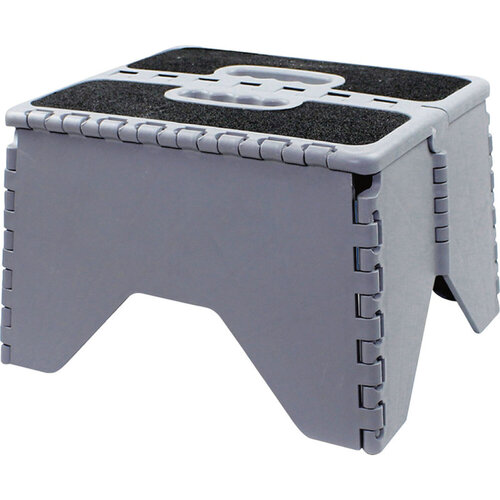
Folding Heavy Duty Step Stool - 150kg
Foldable step stool with anti-slip tread, supports up to 150kg
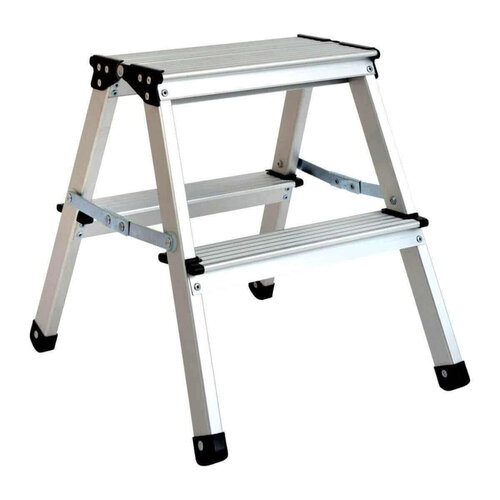
Aluminium Step Up - 2 tread
Aluminium 2-tread step up
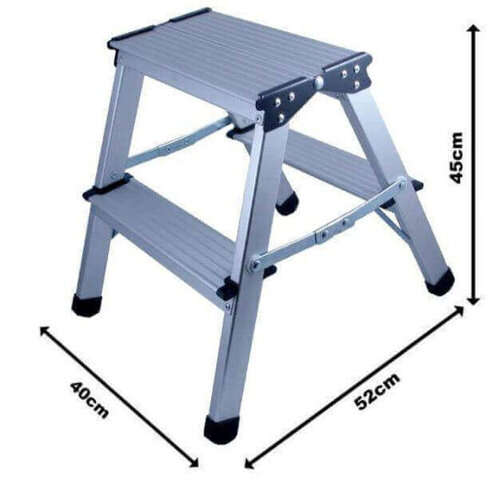
Prodec Aluminium Step-Up Stool
Aluminium step-up stool meeting EN 131 standard
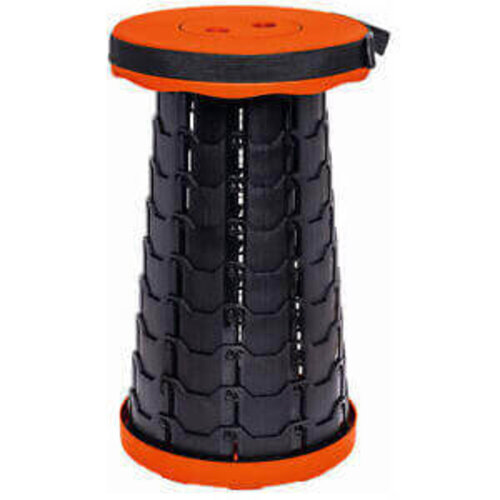
Avit Collapsible Stool
Avit Collapsible Stool
For the Trade
What usually decides it is how often you’re moving it, how much room you’ve got, and whether it lives in a van, a kitchen, or a store room. Folding step stools suit jobs where space is tight and you’re carrying it from one call to the next. A fixed trade step stool makes more sense when it’s getting used hard and you do not want hinges or catches as the weak point. Two-step and three-step options change the reach, but the extra height also brings more bulk. Do not buy taller than you need. Material matters too. A plastic step stool is easier to shift, while a heavier-duty build usually feels steadier under daily use.
Popular Step Stool Formats
Start with how much reach you need and how often you’ll move it. A 2 step stool suits tighter spaces and easier handling. A 3 step stool gives you more height, but it starts to feel less handy if you’re carrying it around all day.
A folding step stool works where storage is tight or it lives in the van between jobs. If you want the full range, Ladders & Platforms is the broader hub to check next. Here, the choice usually comes down to compact handling or a bit more working height.
Key Differences When Choosing
Material is where most of the decision gets made.
An aluminium step stool is the better pick when you want less weight to carry and shift about. It usually feels firmer underfoot than a basic plastic step stool. You may give up a bit of grip, and the feel is different indoors.
Plastic suits jobs where the stool stays in one place or gets knocked about less. It won’t corrode. The trade-off is that it can feel less solid if you’re on it all day.
If you’re adding bits to the job, Ladder Accessories is the next stop. If you’ve outgrown a stool altogether, Access Towers are the next call.
Next Decisions After Choosing
Once you’ve picked the right step stools, the next call is what still needs finishing around the job. On kitchen and fit-out work, that’s often storage and adjacent finishes - somewhere to keep the kit clear, or a screen or panel where the area needs to stay tidy while other trades are still in and out.
If the job is only temporary, a folding step stool keeps the footprint down. If it’s staying on site, a sturdier trade step stool usually takes more punishment. The usual miss is buying the stool and not thinking about the surrounding access and storage. That is what slows things down later.
Related searches
Local availability for Step Stools



