Bodywork Tools
Bodywork tools come down to the job in front of you. Light dent work, panel straightening, and tidying a repair before filler each need a different setup. If you need bodywork tools for quicker dent removal, check access and how much control you want. Lighter kits work better in tight areas. Heavier panel beating tools give you more force, but less finesse. A decent set saves time. The wrong layout just has you fighting the panel.
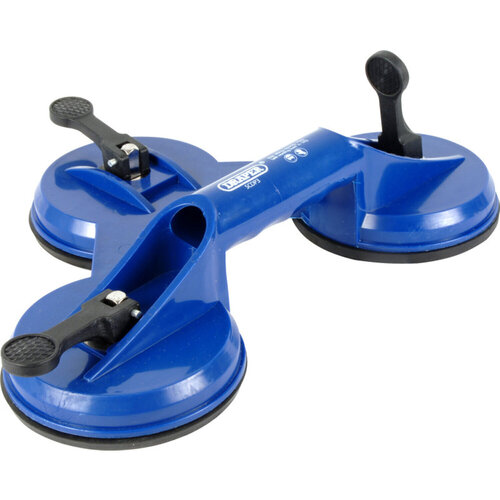
Draper Suction Pad - Triple
Triple suction pad with 20kg safe working load
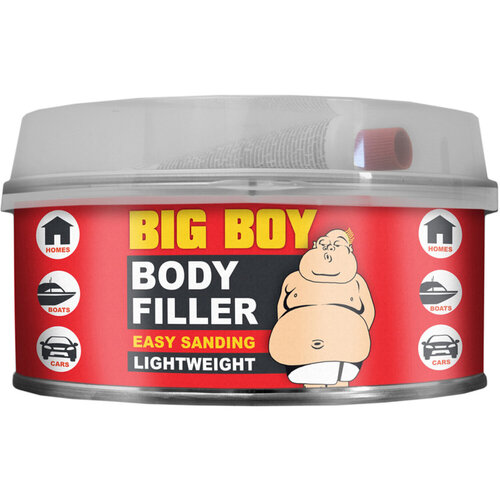
Big Boy Lightweight Body Filler - 600ml
Lightweight body filler 600ml, two-component putty for wood, metal, plastics
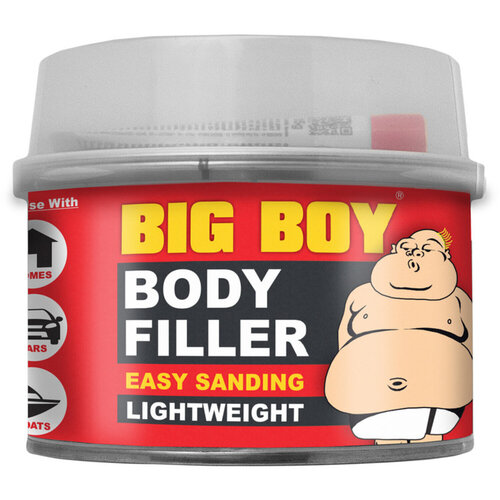
Big Boy Lightweight Body Filler - 250ml
Lightweight two-component putty for large surface filling on wood, metal and rig…
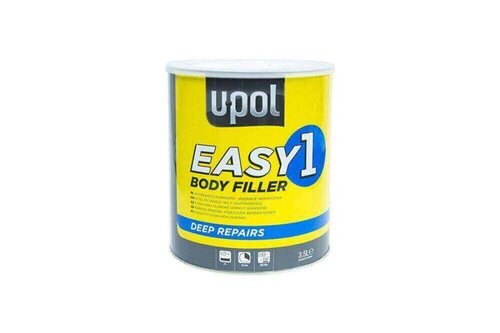
U-Pol Big Smooth Easy One Filler - 3L
3 litre U-Pol filler for smooth surfaces
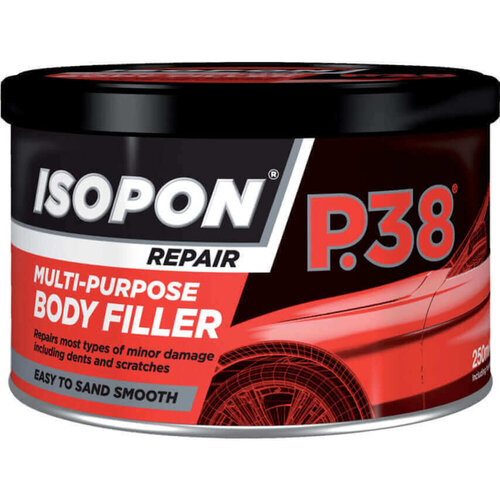
U-POL Isopon P38 Easy Sanding Body Filler - 250ml
250ml easy-sanding body filler for minor dents and scratches on metal bodywork
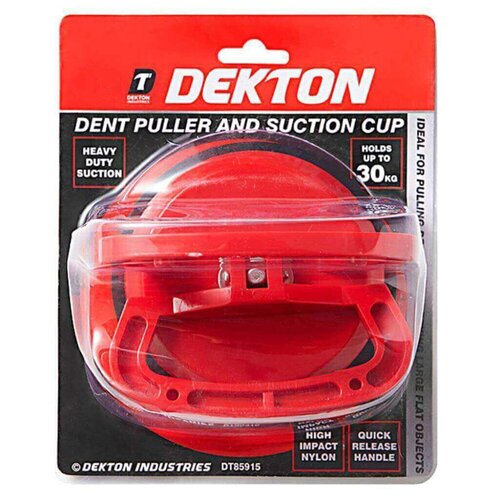
Dekton Dent Puller and Suction Cup
Heavy-duty suction cup dent puller holds up to 30kg
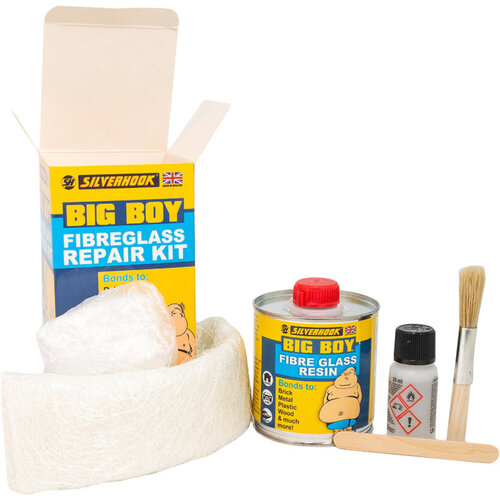
BOG BOY Fibre Glass Resin Kit
Fibreglass resin repair kit with matting, hardener and application tools
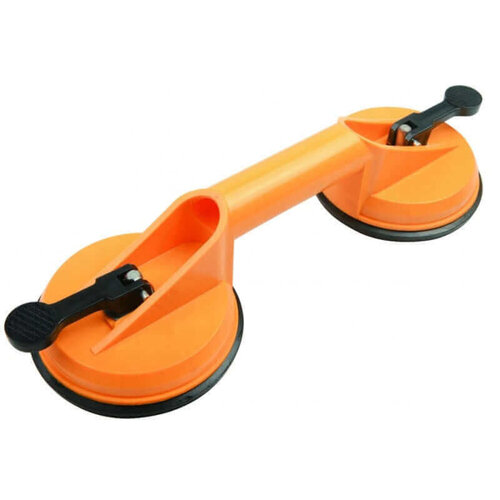
Tolsen Dent Puller with Two Suction Cups Plastic Body
Plastic dent puller with two suction cups for bodywork repair
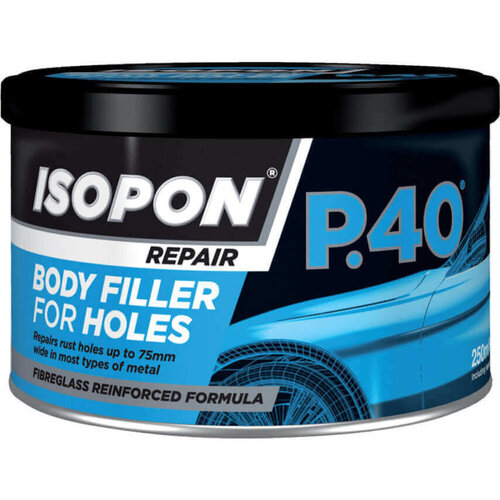
U-POL Isopon P40 Glass Fibre Repair Paste - 250ml Sand
Glass fibre repair paste for filling rust holes up to 75mm in metal, ready for p…
For the Trade
Start with the space you’ve got and how the job will be used, because that usually decides the layout before you get into finishes or extras. If you’re working tight around a bench or in a small bay, compact bodywork tools are easier to live with than a bigger spread of kit that gets in the way. Heavier panel beating tools usually mean more reach and control on tougher metal, but you give up some convenience. A lot of call-backs come from buying the wrong layout for the repair, not the wrong brand. If the job is mainly dent repair tools for tidying and shaping, keep it lean. If you’re doing more involved auto body repair tools work, you need a set that covers more than one stage without carrying dead weight.
Bodywork Tool Types and Layouts
A lighter car bodywork tools selection suits dent work and panel tidying, where control matters more than bulk. It keeps the kit focused, so you are not carrying extras for every job.
Fuller auto body repair tools or body repair tools make more sense when you need hammers, dollies and pullers in one set. You get broader coverage, but you also carry tools you will not use on every repair.
Trade bodywork tools suit regular workshop use. They give you a more complete layout and cut down on picking and choosing between jobs. If you are building out a kit, Mechanic's Tools is the parent range to work back from.
What to Check Before You Buy
What you buy usually comes down to the repair you’re pricing and how much of the panel you need to work. For quick dent removal and smaller damage, dent repair tools keep it lean. Once you’re straightening, dressing and finishing more of the panel, panel beating tools or fuller bodywork tools make more sense because you’ve got the right mix in hand.
If the job is air-driven, check the kit against your compressor first - no point buying Air Compressors after the tools if the supply won’t keep up. For powered pulling and shaping, Air Tools are the next call, but they do add hose and air demand.
Useful Alongside Bodywork Tools
Once you’ve picked the bodywork tools, the next question is what the repair sits against. If the panel’s coming off or you’re replacing sections, get the matching panels and any trim or screen parts sorted before you start chasing dents.
Storage matters too. Loose hammers, dollies and pullers get damaged and go missing fast in a busy bay. For the surrounding job, body fillers, abrasives and the usual prep products are often bought at the same time. That saves you making two trips for one repair.
Related searches
Local availability for Bodywork Tools

