Decking Stain Applicators
Decking stain applicators come down to the finish you need and how much area you’re covering. A pad or roller moves quicker on broad boards. A brush gives you more control on edges, grooves and awkward runs, but it usually takes longer and is more likely to leave lap marks if you rush it.
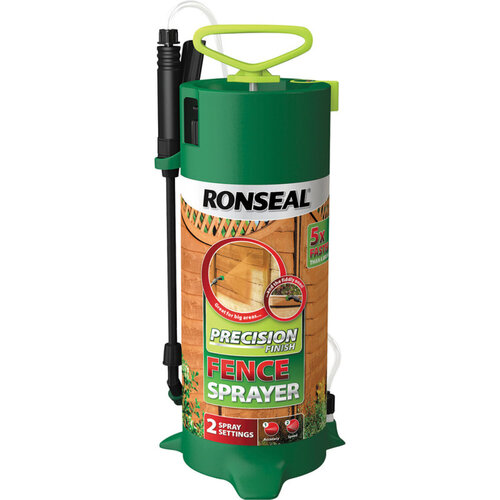
Ronseal Precision Finish Fence Pump Sprayer - Ronseal Precision Finish Fence Spr…
Fence pump sprayer with two spray settings, treats a panel in under 3 minutes
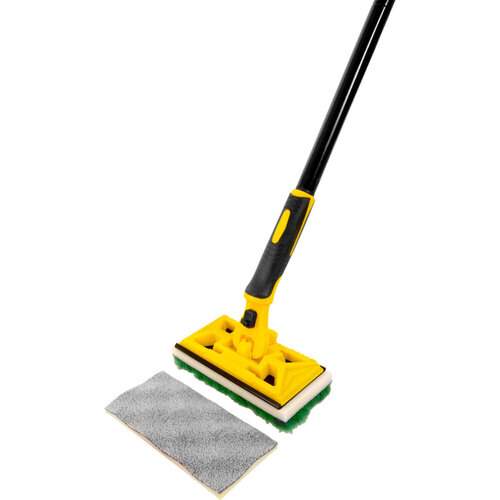
Ronseal Ultimate Finish Decking Pad Kit
Ronseal decking pad kit with 94cm pole, ready in under 1 minute
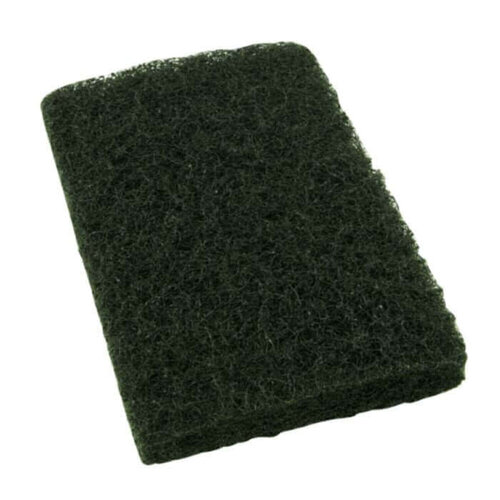
Osmo Massaging Pad - 95mm x 155mm Green
Green massaging pad for applying Osmo hard wax-oils
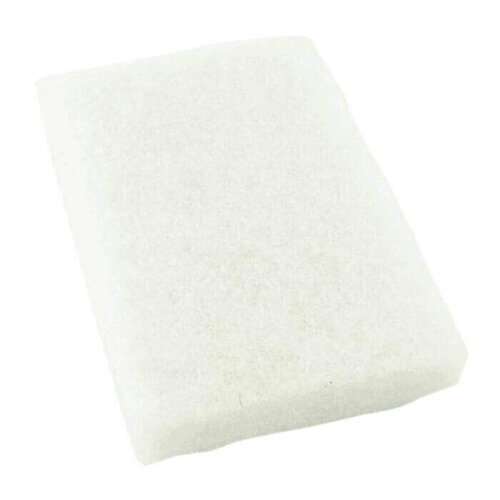
Osmo Rubbing Pad - 95mm x 155mm
White synthetic fibre rubbing pad 95 x 155mm for applying wood care oils
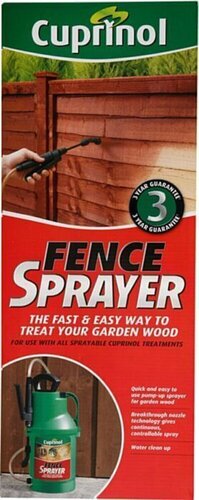
Cuprinol Fence Sprayer Pump
Pump-up sprayer for fast fence and garden wood treatment
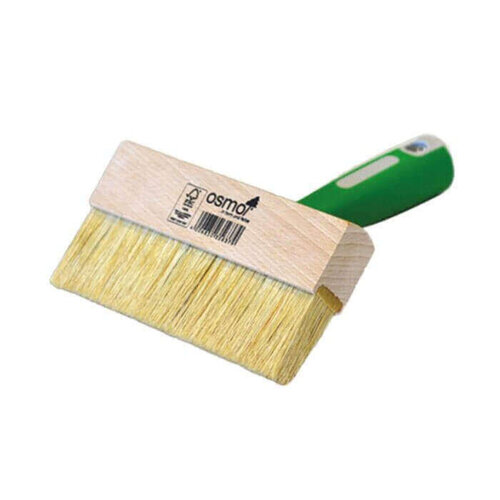
Osmo Decking Brush - 150mm
150mm natural bristle brush for applying decking treatments
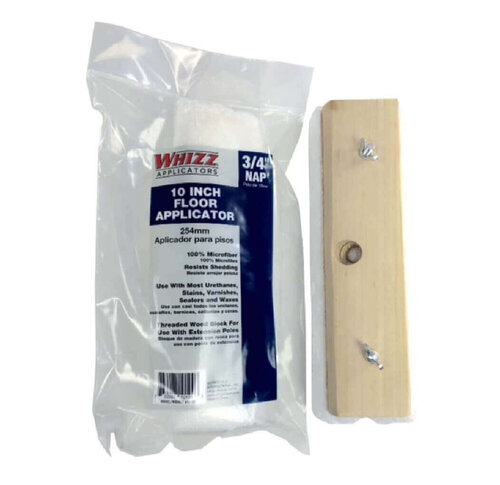
Whizz Microfiber Floor Applicator
Microfibre floor applicator for stains and finishes, extension pole compatible
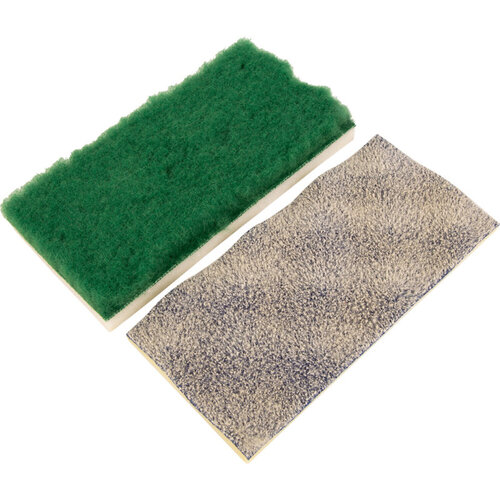
Ronseal Ultimate Finish Decking Kit Replacement Pads - Ronseal Ultimate Finish D…
Replacement pads for Ronseal Ultimate Decking Kit, incl. cleaning & application …
For the Trade
Start with the space you’ve got and how you’ll work the job, not the finish on the tin. On a wide run with clear access, decking stain applicators that cover more board in one pass usually make sense. In tighter areas, on steps, or around awkward edges, a smaller decking stain applicator gives you more control and less mess. Grooved boards show the wrong choice quickly, because anything that won’t reach into the profile leaves you chasing it with a second pass. If the job mixes open runs and awkward sections, choose for the hardest part first. The rest follows.
Popular Decking Stain Applicator Formats
A decking stain roller covers long runs quickly and keeps the finish even. It suits larger areas, but it can pull up too much product if you rush it.
Decking stain pads and applicators give you more control on the surface and cleaner edges. They take longer than a roller, though.
Decking stain brushes still have a place for detail work and awkward sections. They are the slowest choice over big areas.
If you need to match the tool to the job, Decorating Tools & Equipment is the broader counter to work from.
Key Differences When Choosing
Pads and rollers suit open runs because they keep you moving. On rough timber or badly grooved boards, they can leave you working the overlap.
A brush gives you more control on edges and awkward sections, but it slows the job down. For bigger jobs, some lads move straight to Electric Paint Sprayers, but that only stacks up when the coating and access suit it. For mixed jobs, Decorating Sets can be handy, though you’ll usually still want a proper decking stain applicator for the main run.
Next Decisions After Choosing
Once you’ve picked the right decking stain applicators, the next call is usually what else still needs finishing around the job. If you’re working adjacent timber, a proper decking brush is still worth having for cut-ins and awkward corners where a pad leaves too much product behind.
If the area is being refreshed as part of a bigger decorating run, you may also be looking at decorating sets or electric paint sprayers for the other surfaces. They are a separate buy. They will not replace the right applicator on the deck itself. The call-backs usually come when the boards are fine but the edges and surrounding timber were left to chance.
Related searches
Local availability for Decking Stain Applicators






