Draught Excluders
Draught excluders come down to the gap and how much the opening moves. For a straight, even gap, a self-adhesive strip is usually the quickest call. If the clearance varies or the door drags a bit, brush draught excluders or a more forgiving rubber profile tend to hold up better. Foam is the cheaper option, but it compresses faster on busy openings, so you usually step up when the door gets regular use.
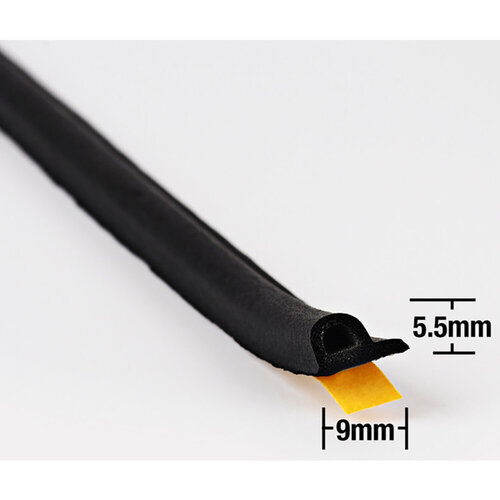
Stormguard EPDM Weatherstrip P Profile - Black 15m
Self-adhesive black EPDM P-profile weatherstrip in 15m length, seals 3-5mm gaps.
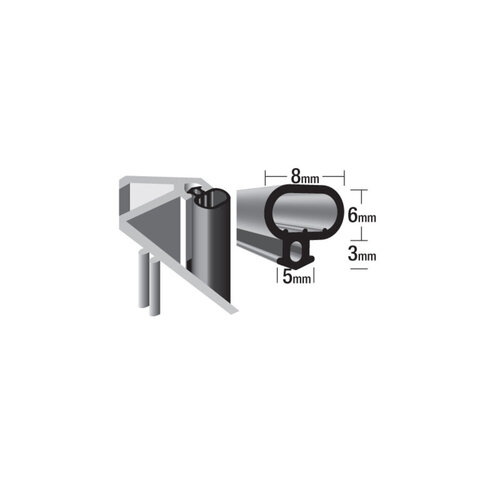
Stormguard UPVC Universal Seal - Black 20m
Black uPVC universal weather seal, 20m length
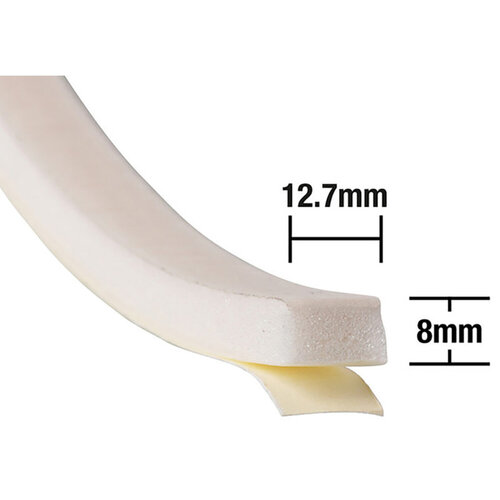
Stormguard Extra Thick Weatherstrip - White 10.5m
Extra thick self-adhesive weatherstrip for gaps 2-7mm, 10.5m length.
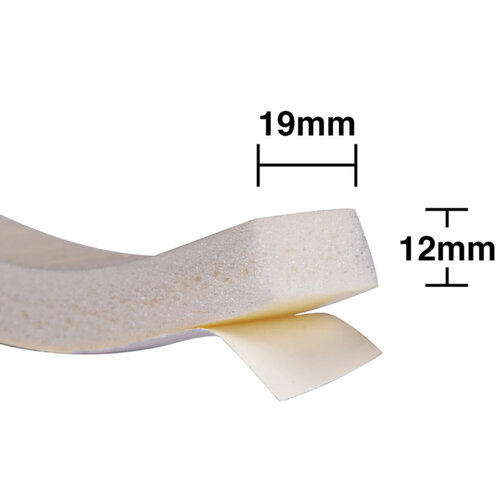
Stormguard Jumbo Rubber Foam Weatherstrip - White 6m
White 19x12mm self-adhesive foam weatherstrip, 18m total
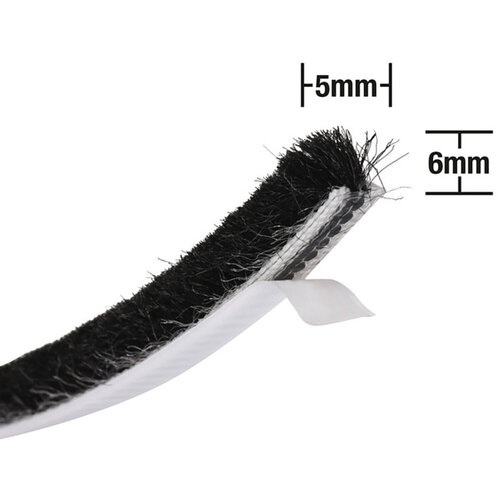
Stormguard Brush Pile - Black 10m
Self-adhesive 6mm brush pile draught excluder, black, 10m
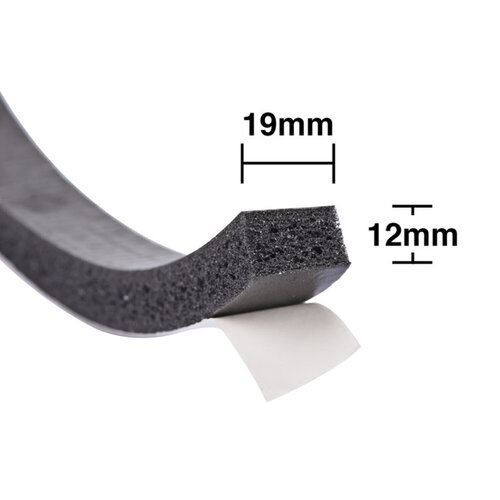
Stormguard Jumbo Rubber Foam Weatherstrip - Black 6m
Black 19x12mm self-adhesive foam weatherstrip, 18m total length
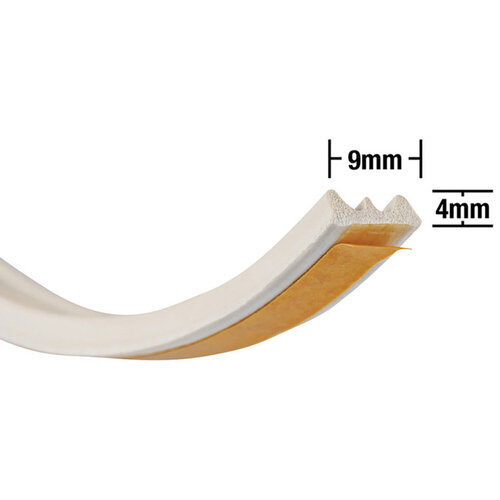
Stormguard EPDM Weatherstrip E Profile - White 15m
White self-adhesive EPDM weatherstrip for gaps 1.5-3mm, 15m roll
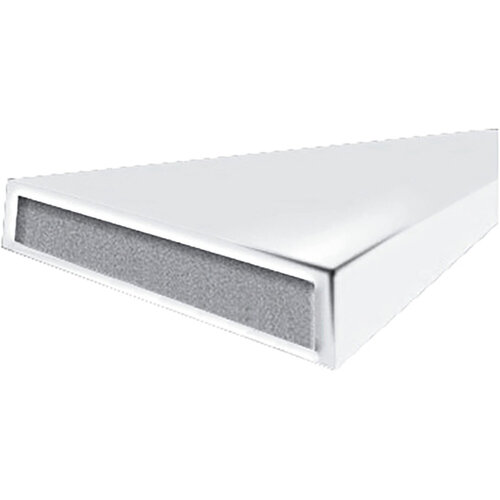
Fire Seal Door Pack - 10mm White
30-minute fire door intumescent seal pack (10x4mm, 2x2.1m + 1x1.05m, self-adhesi…
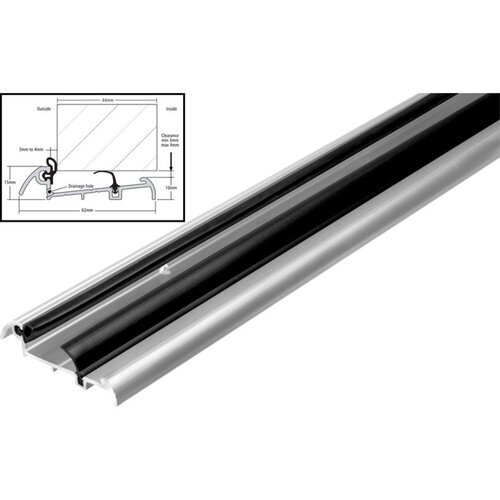
Stormguard Slimline Rain & Draught Excluder Threshold - Aluminium
Slimline aluminium threshold for rain and draught exclusion, 914mm long, seals 1…
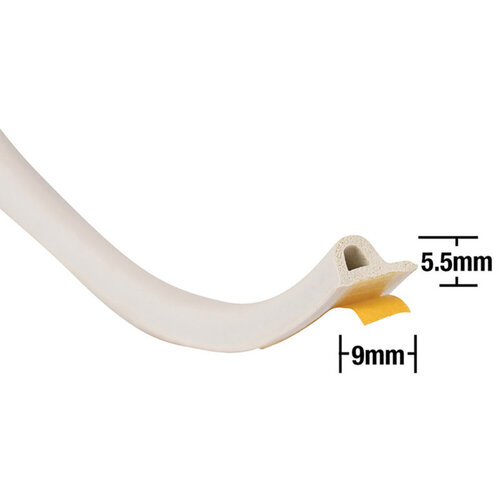
Stormguard EPDM Weatherstrip P Profile - White 15m
Self-adhesive white EPDM P-profile weatherstrip in 15m length, seals 3-5mm gaps.
For the Trade
Start with how much movement the opening sees and how hard the seal has to work. On a door that gets regular use, you usually want something that keeps contact without dragging, because the call-back is often a seal that’s too tight or too light for the gap. Brush draught excluders suit uneven thresholds and a bit of wear. Foam and rubber options work better when the face to seal is more consistent. Self adhesive draught excluders are quick to fit, but the bond and the surface prep matter more than people think. Pick the one that matches the opening, not just the cheapest strip on the shelf.
Popular Draught Excluder Formats
If the gap is even, self adhesive draught excluders are the quickest fit. They keep the job simple, but they need a sound surface. They are not the best choice for rough or tired frames.
Brush draught excluders suit doors that drag or gaps that vary. The bristles keep working without binding, though the seal is looser than a compressible strip.
Foam draught excluders are the low-cost option for steady, even gaps. U shaped draught excluders give you a neat push-on fit with less fuss, while window draught excluders are the separate pick for sashes rather than doors. If you are matching the rest of the job out of Ironmongery, that usually narrows it down fast.
Key Differences When Choosing
Material is usually the first call. Rubber draught excluders give a firmer seal and cope better on openings that get regular use, but they are less forgiving to fit than foam and feel stiffer on the job.
Foam draught excluders are cheaper and quicker to handle, though they tend to wear sooner on busy doors. Self adhesive draught excluders save time where the surface is clean and consistent, but once the backing is down you have little room to correct it.
For external openings, Outdoor Hardware is often bought at the same time. For sashes and other openings with moving parts, Window Furniture usually comes into the spec as well.
Next Decisions After Choosing
Once you’ve picked the seal, the next call is what sits around it. On a door job, that usually means checking the threshold, any panel or screen detail, and whether the frame finish needs tidying after the old strip comes off.
On windows, you’re often looking at the sash hardware and the condition of the surrounding finish at the same time. A worn edge or loose fitting can make a good seal look poor. If the opening’s already being worked on, sort the other bits now rather than come back for one small item.
Related searches
Local availability for Draught Excluders







