Paint Brush Cleaner
A paint brush cleaner comes down to what you’re trying to recover: fresh water-based paint, stubborn solvent residue, or a brush that’s already started to harden. A lighter brush cleaner fluid or brush wash is usually enough for day-to-day cleaning. Reach for a paint brush restorer when the bristles have been left too long and need more than a quick rinse. The usual mistake is buying the wrong strength for the paint system - too mild and you waste time, too aggressive and you use more product than you need.
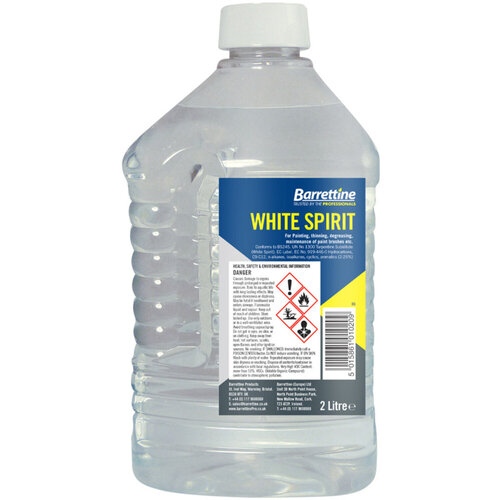
White Spirit - 2L
Petroleum-based white spirit for thinning oil-based paints and cleaning brushes,…
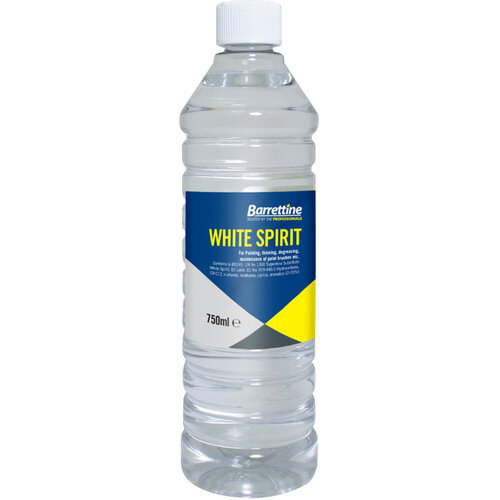
White Spirit - 750ml
750ml petroleum-based white spirit for thinning paints and cleaning brushes
Low Odour White Spirit - 750ml
Professional coal tar creosote for timber treatment, dark brown, 750ml
White Spirit - 4L
White spirit 4L, ideal for thinning paints, varnishes and cleaning
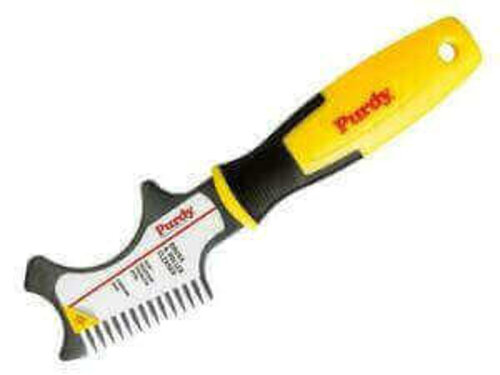
Purdy Contractor Brush Comb and Roller Cleaner
Stainless steel brush and roller cleaner with comfort grip
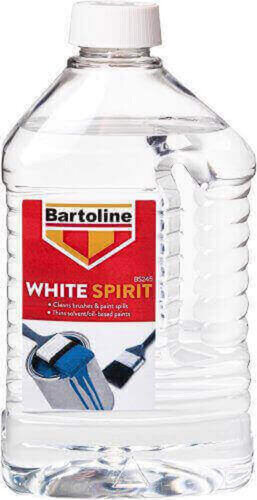
Bartoline White Spirit - 2L
2 litre Bartoline white spirit cleaning fluid
Brush Mate 4 - Vapour Pad
Brush Mate 4 vapour pad replacement
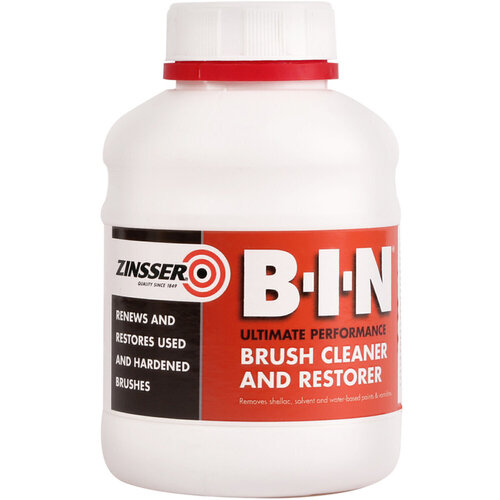
Zinsser Bin Brush Cleaner & Restorer - 500ml
500ml fast-acting brush cleaner that removes dried paint without overnight soaki…
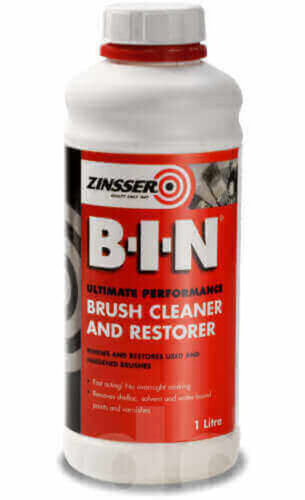
Zinsser BIN Brush Cleaner and Restorer - 1L
1L brush cleaner and restorer for restoring paint brushes
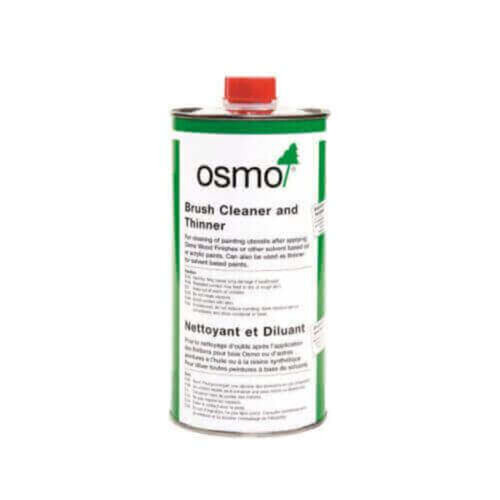
Osmo Brush Cleaner & Thinner - 1L
Benzene-free, low-odour brush cleaner and thinner for solvent-based products and…
For the Trade
What you buy usually comes down to how far gone the brush is and how quickly you need it back in service. For fresh paint, a standard brush cleaner or brush wash is normally enough and keeps things simple. Once the bristles have started to set, a paint brush restorer earns its keep, though it’s slower and you’re asking it to recover a brush rather than just clean it. If the job is heavy on solvent-based coatings, make sure the cleaner matches the residue. That’s where most poor results start. If you’re choosing for a busy site, the cleaner that fits your layout and turnaround is the one that lets you clear brushes without tying up space at the sink.
Popular Paint Brush Cleaner Formats
Liquid cleaner is the everyday buy when you’re washing brushes out at the end of the shift and want something that gets on with it. A paint brush cleaning fluid or paint brush cleaning solution is usually the first pick for fresh emulsion or similar water-based residue.
A stronger paint brush solvent makes more sense when you’re dealing with heavier build-up or oil-based paint. It works harder, but it is less forgiving.
A paint brush wash sits in the middle. It suits general cleaning when you do not need a specialist restorer. If the brush has already gone stiff, a paint brush restorer earns its keep, though you give up speed and usually need more soak time.
If you’re comparing the rest of the Decorating Tools & Equipment range, this is the bit that helps you avoid buying the wrong cleaner for the job.
Key Differences When Choosing
What you buy usually comes down to what’s on the brush and what you need back out of it. Fresh water-based paint is one thing. Dried build-up from solvent work is another. A paint brush cleaner that shifts one may just waste time on the other.
Coverage and recoat timing only matter once you know the substrate, because new plaster, bare masonry and previously painted surfaces pull paint differently and change how much residue you’re dealing with. If the brush is only lightly loaded, a brush cleaner or brush wash is usually enough. Once the bristles have started to set, a paint brush restorer earns its keep, though it’s not the first pick for routine cleaning.
If you’re also sorting out the rest of the decorating kit, Decorating Sets make sense when you want the basics in one go. Decking Stain Applicators are the better call when the job moves outdoors and the cleaner choice follows the coating system you’re using.
Next Decisions After Choosing
Once you’ve picked the coating, the next call is how much prep the job needs before you start. If the surface is sound, you’re usually looking at the right primer or undercoat rather than over-specifying the cleaner or restorer.
Where the brush has only a light load, a standard brush cleaner is enough. Once the paint has started to grab, a paint brush restorer earns its keep, but it works slower and you’ll still lose a bit of life from the brush. Keep an eye on the surface condition too. That changes the finish more often than the tool choice.
Related searches
Local availability for Paint Brush Cleaner











