Worktop Joint Sealants
Worktop joint sealants are usually chosen by the joint you’re sealing and the finish you need, not just the colour on the tube. For laminate worktops, a standard worktop sealant is often the economical pick. If you need tighter colour matching or a neater seam, move to a worktop joint sealant or worktop joining sealant. Solid surface jobs usually need a different grade again, and the wrong product is the one that gets picked out later.
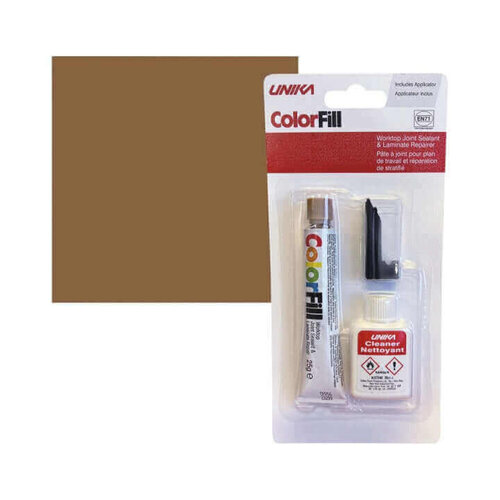
Colorfill - 25g Medium Oak Colmar Oak
Colorfill in Medium Oak, 25g
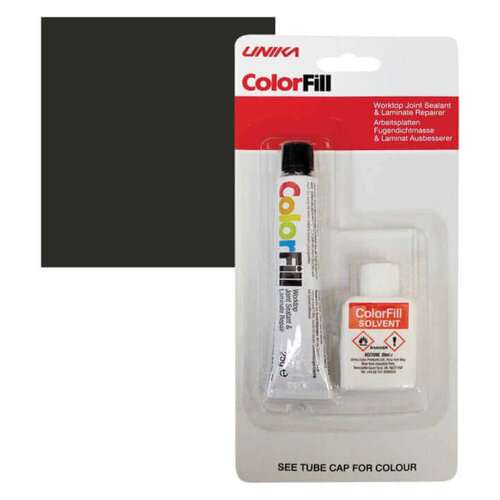
Colorfill - 25g Black granite, black atrium / lima
25g worktop joint sealant in black granite colour
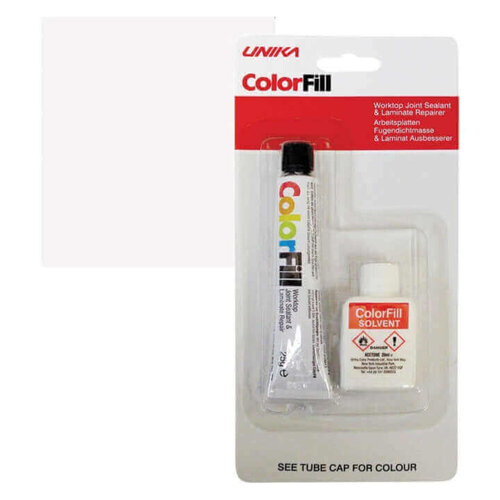
Colorfill Cool Palette - 25g Strass Blanc / Torano
Colour-matched joint compound for seamless laminate worktop repairs, 25g
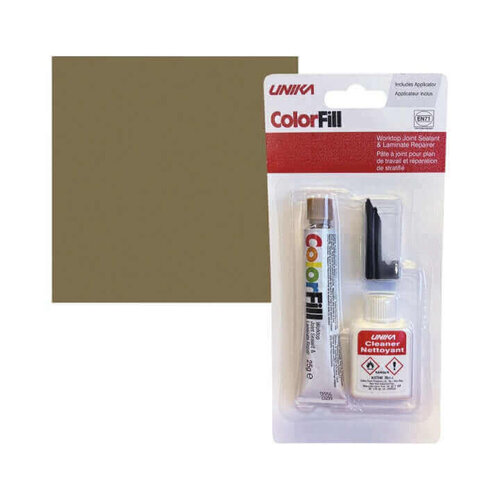
Colorfill Jointing Compound - 25g Mississippi Pine / Cypress Cinnamon
Worktop jointing compound in Cypress Cinnamon for sealing joints, 25g
For the Trade
Start with the space you’ve got and how the joint will be used, because that usually decides the product before finish does. In tight runs and awkward corners, you want a worktop joint sealant that gives you enough working time and stays put in the seam. Where the joint sees more water, a more water resistant worktop sealant often makes more sense than a basic filler. Colour match matters, but only after the fit and the joint line are right - a neat colour that fails at the seam still gets called back.
Worktop Joint Sealant Options Compared
For most jobs, you are choosing between a standard worktop joint sealant and a more specific worktop sealant for the finish you are matching. A general jointing product suits straight runs and ordinary laminate work. It keeps the spec simple.
Use a laminate worktop sealant when the face and colour need to sit neatly with the board. Go for a solid surface worktop sealant when the material calls for a different grade rather than forcing a standard one to do the job.
A worktop corner sealant suits layouts that need a corner solution rather than a straight joint. It makes better use of awkward space, but it does need a wider footprint.
If you are comparing the rest of the range, Sealants, Silicones & Tools is the broader range to work from.
Choosing Materials and Size
You’re usually choosing worktop joint sealants on three things: the board material, how visible the joint is, and how much moisture the edge will see. Laminate work usually needs a different finish from a more exposed seam on a sink run. That’s where a water resistant worktop sealant earns its keep.
If colour match matters, pick the finish that suits the surface rather than the cheapest tube on the shelf. A poor match shows fast. When you’re loading a lot of cartridges, Caulking Guns matter as much as the sealant itself, because a heavy bead is the one that gets messy. If the joint is only cosmetic, Decorators Caulk is the wrong buy.
Completing the Setup
Once the joint is sorted, the next call is the surrounding finish. If the run meets a splashback or upstand, make sure the sealant line suits the panel finish as well as the joint. That is the part you will notice first.
Around sinks and corners, use a water resistant worktop sealant where the area sees regular wetting. A standard worktop joint sealant is usually enough on drier runs. If you are moving into trims, wall finishes or storage units, keep the colour and movement in mind. That is what stops the last part of the install looking patched in.
Related searches
Local availability for Worktop Joint Sealants

