Lawn Edging
Lawn edging comes down to the line you’re trying to hold, how much give you need, and how much abuse the edge will take. Rigid metal lawn edging suits long, clean runs. Flexible lawn edging works better on curves and awkward shapes. Plastic is the lighter, cheaper option, but it is the first to suffer if it gets clipped by mowers or strimmers.
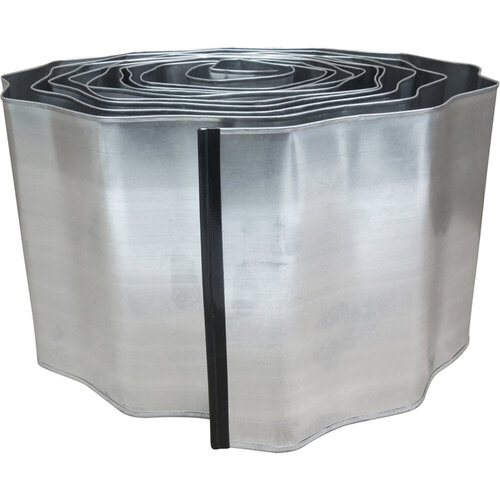
Galvanised Lawn Edge - 5m x 16cm
Galvanised steel lawn edging, 5m long, 16cm high, weather-resistant
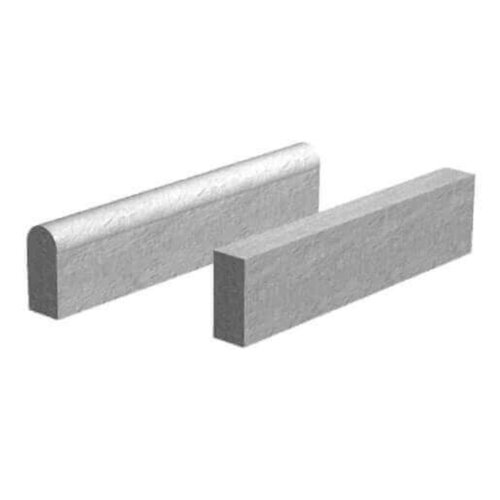
Supreme Path Concrete Edging Round Top - 36" x 6" x 2"
Concrete round top edging for paths and pavers
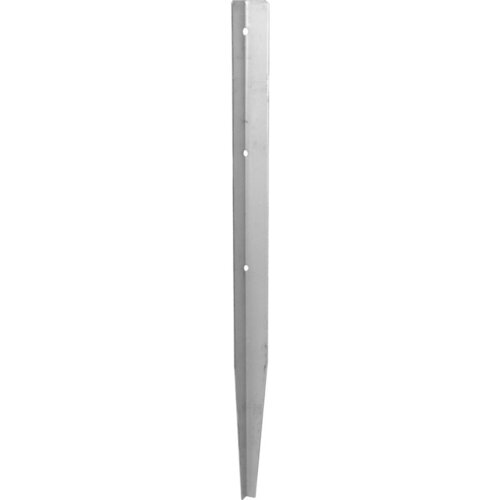
Log Roll Pin - 450mm
450mm galvanised steel pin for securing log border rolls with pre-drilled holes.
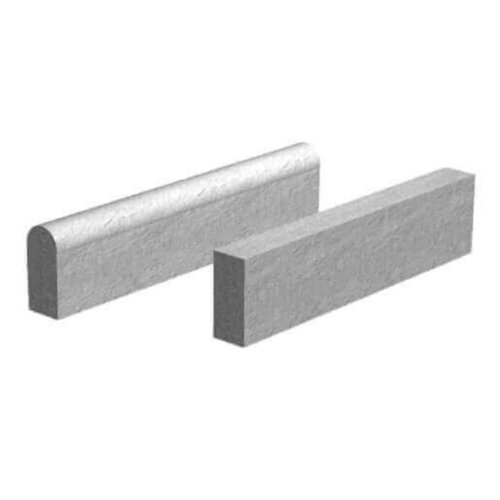
Supreme Path Concrete Edging Flat Top - 36" x 6" x 2"
Concrete flat top path edging, 36" x 6" x 2", wet cast.
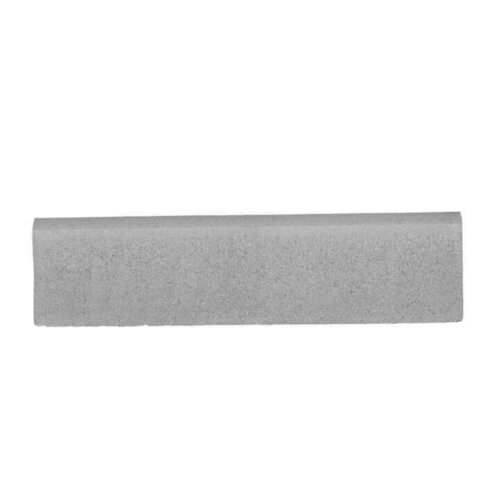
Round Top Edging - 600mm x 150mm x 50mm White
White round top edging, 600 x 150 x 50 millimetres
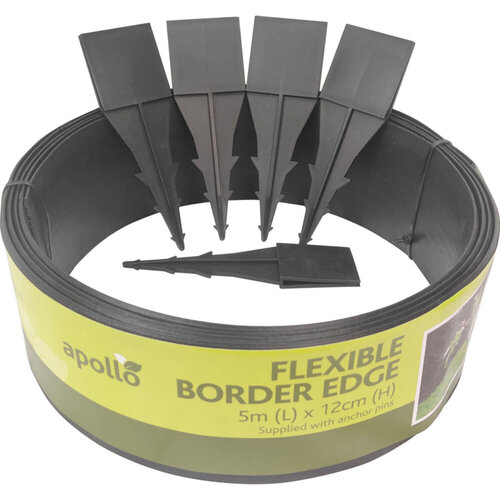
Flexible Border Edge - 5m x 12cm
5m length, 12cm high flexible plastic lawn edging
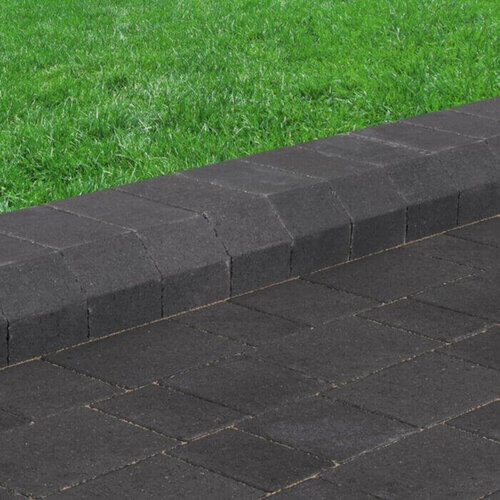
Marshalls Savanna Kerb Edging - Charcoal 130 x 160 x 250mm 14.04m2
Charcoal kerb edging set with 108 pieces covering 14.04m for driveways
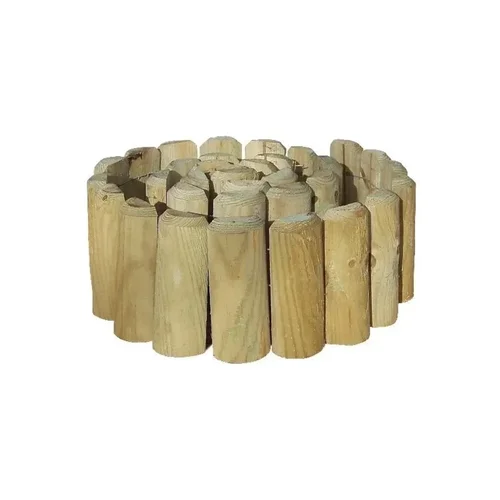
Grange Fencing Log Edging - 1800mm x 30mm x 300mm Green
Green pressure-treated log edging 1800x30x300mm for lawn borders
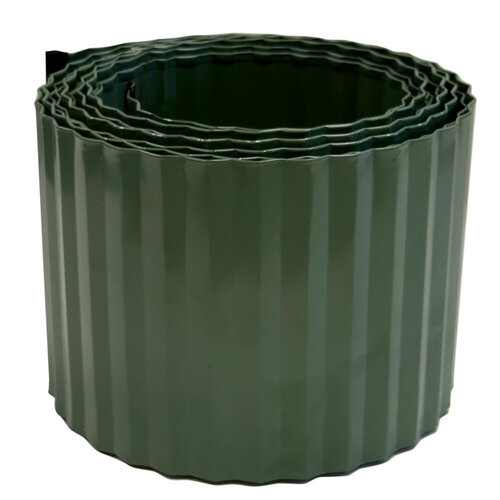
Apollo Galvanised Lawn Edge Coil - Green 5m x 16cm
Green galvanised lawn edge coil, 5m, push-fit installation
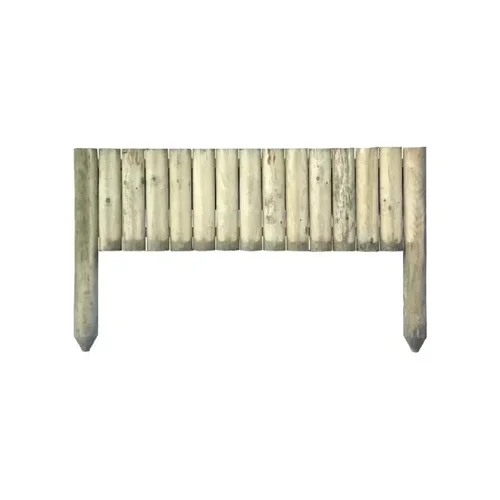
Grange Fencing Log Edging Board - 1000mm x 30mm x 150mm Green
Green pressure-treated log edging for flower beds and paths
For the Trade
Start with the line you need to hold and how much movement it will take. Straight runs usually point you towards metal lawn edging, especially where the edge gets knocked by mowers or foot traffic. Flexible lawn edging suits curves and awkward changes in direction. Plastic lawn edging is still the cheaper call for lighter work, but it is the one most likely to get pushed out if the ground moves or the edge gets hit. For a tidy finish on a bed, path or driveway, the spec usually comes down to load, shape and how long you need it to stay put.
Lawn Edging Options Compared
If you’re pricing up lawn edging, start with how much movement the line needs. Lawn edging strips and lawn edging rolls suit awkward curves and softer shapes because they follow the line without a fight, but you lose a bit of stiffness on long straight runs.
Flexible lawn edging sits in the middle. Use it when the layout changes across the job and you want one product to handle more than one run. Metal lawn edging gives you a firmer, cleaner edge that stays put, so it suits straighter lines and sharper definition. Heavy duty lawn edging is the pick for tougher borders and higher wear, but it gives you less room to adjust if the line is not already set. Outdoor Projects is where you’d look next if you’re matching it to the rest of the scheme.
Choosing Materials and Size
Material is usually the first call.
Plastic lawn edging is the lightest to handle and easiest to form. It suits jobs where you want a quick run and the border is unlikely to take much knock. The trade-off is straightforward. It is the least forgiving if it gets hit.
Steel lawn edging is the better pick when you need a firmer line. It gives you a stiffer face and stands up better to daily abuse. You do pay for that in handling. It is heavier to move on site.
Aluminium sits between the two. It is lighter than steel and cleaner to work with than plastic. That makes it a solid call when handling matters as much as the finish.
If you are running it alongside Decorative Stones, check the height and edge detail so the stone does not spill over. When it ties into Fence Posts & Panels, the line needs to stay straight. Any weakness shows quickly.
Completing the Setup
Once the edging line is set, the next call is what finishes the run. If it meets a fence line, the fixing detail matters more than the edging itself. That is where fence posts and panels or the right fencing accessories come in, so the edge stays put and does not get knocked out of line.
Where the job ends against a hard surface, decorative stones are often the cleaner follow-on. They hold the edge and help stop soil creep. On bigger schemes, check what sits beside it too. A screen, storage piece or other garden feature can change where the line ends and what needs a neat finish.
Related searches
Local availability for Lawn Edging






