Sliding Bevels
Sliding bevels are what you reach for when the angle needs copying, not guessing. A wooden sliding bevel handles general carpentry jobs well, while a metal sliding bevel is the better pick when the tool will take more knocks in the box. The lock matters most. If the blade slips, you end up checking it twice.
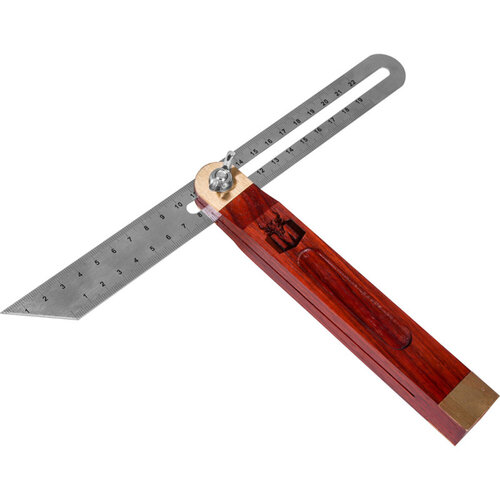
Minotaur Adjustable Bevel
Stainless steel adjustable bevel with brass end cap and hardwood handle, red
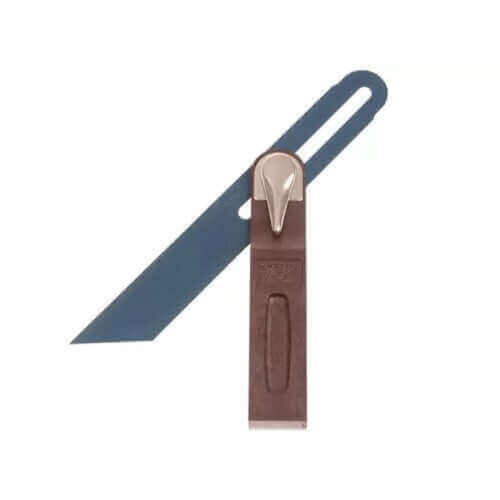
Stanley Sliding Bevel - 230mm (9")
230mm sliding bevel for accurate angle measurement and transfer
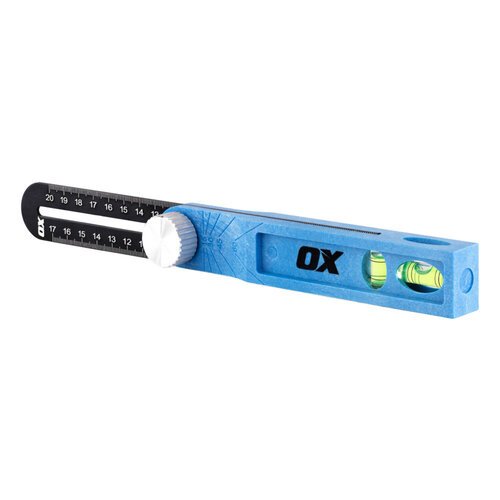
OX Trade Sliding Bevel - 200mm
200mm sliding bevel with stainless steel blade and dual vials
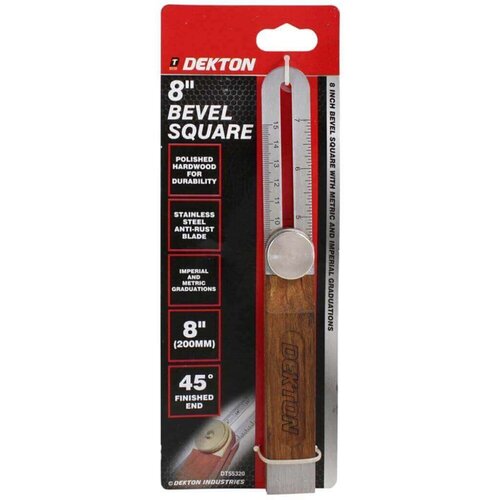
Dekton Bevel Square Hardwood Adjustable Sliding - 200mm/8"
Adjustable bevel square with hardwood handle and stainless steel blade
For the Trade
Start with the space you’ve got and how you’ll use the tool on the job. That usually decides the format before you look at anything else. A slimmer sliding bevel is easier where access is tight. A larger one is better if you’re transferring angles all day and want something that sits well in the hand. Wooden sliding bevels still suit general carpentry. Metal sliding bevels tend to make more sense when the tool lives in the box and takes more knocks. Lock and blade action matter too, but only after you’ve matched size and handling to the work.
Sliding Bevel Options Compared
If you’re choosing between sliding bevels, start with how often you’ll reset the angle. A wooden sliding bevel suits regular bench work and keeps things simple. A metal sliding bevel is the better call if the tool is likely to get knocked about in the van or toolbox.
An adjustable sliding bevel works well when you’re copying angles all day and need quicker changes. The trade-off is extra hardware. A carpenter's sliding bevel is the straightforward option when you want a basic bevel tool without paying for features you won’t use. Measuring Tools
Choosing Materials and Size
For most jobs, it comes down to how hard you’ll use it and how much room you’ve got to work in. A wooden sliding bevel suits lighter handling and quick set-up. A metal sliding bevel makes more sense if it lives in the van and takes knocks.
An adjustable sliding bevel is worth paying for when you’re resetting angles all day. It takes a bit longer to set, but it holds the line better than a loose, worn joint. If you only copy angles now and then, a simpler bevel tool is usually enough.
For set-out work rather than angle transfer, Angle Finders or Laser Levels may be the better buy.
Completing the Setup
Once you’ve picked your sliding bevels, the next call is usually what they’re working around. If the angle is going into trim, panels or a fitted finish, you’ll often want a square, ruler or marking gauge next so the mark stays consistent on the material.
If you’re setting out across a run, a spirit level or laser level may be the next buy. The bevel gives you the angle. It won’t keep the rest of the line true. That’s the bit that usually gets missed.
Related searches
Local availability for Sliding Bevels





