Foil Insulation Tape
Foil insulation tape is the one you pick when the job needs a clean, reflective seal rather than a general-purpose fix. Width and grade usually decide the fit. Lighter foil tape works on straightforward insulation joints. Heavier aluminium foil tape gives better hold and is less likely to lift on awkward edges. Around ductwork or warmer services, check the temperature rating before you buy. A cheap roll can let you down when the adhesive softens.
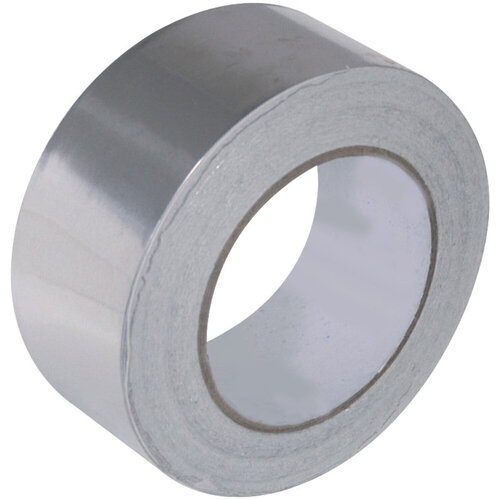
Aluminium Foil Tape - 50mm x 45m
Self-adhesive aluminium foil tape 50mm x 45m, Class O fire rating
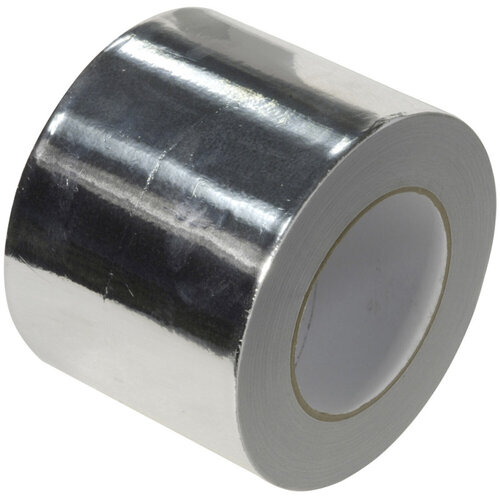
Aluminium Foil Tape - 75mm x 45m
75mm x 45m aluminium foil tape for jointing insulation boards
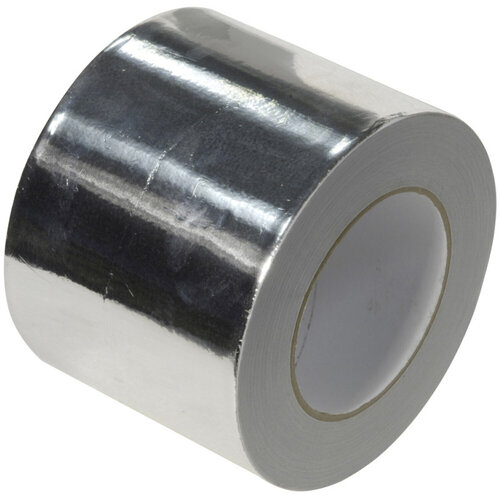
Aluminium Foil Tape - 100mm x 45m
100mm x 45m aluminium foil tape for jointing insulation boards
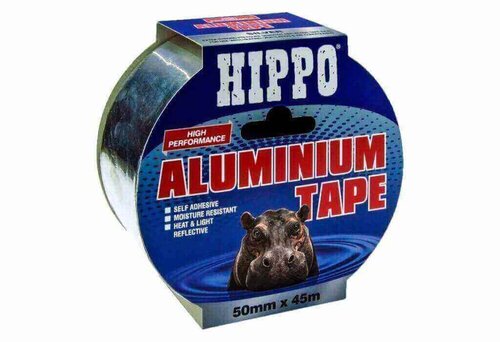
Hippo Aluminium Tape - 50mm x 45m Silver
50mm x 45m aluminium tape, self-adhesive and reflective
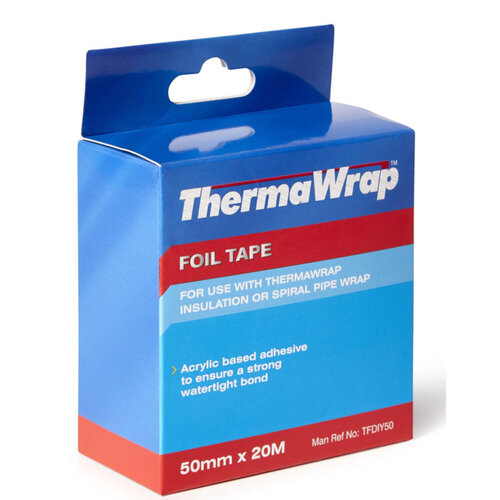
YBS Thermawrap Foil Tape - 50mm x 20m
YBS Thermawrap foil tape 50mm x 20m for reflective insulation
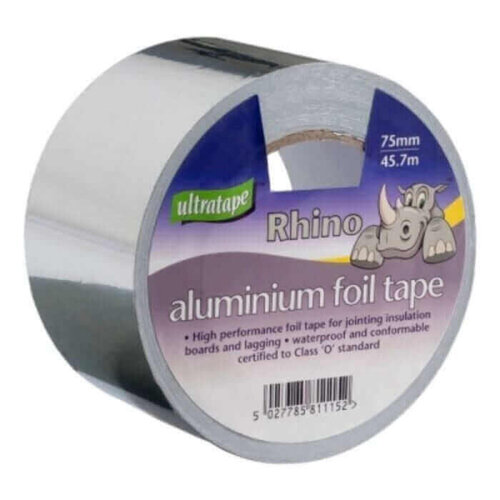
Ultratape Rhino Aluminium Foil Tape - 75mm x 45.7m
Aluminium foil tape, 75mm x 45.7m, approved to class 'O' rating
Hippo Aluminium Tape - 75mm x 45m Silver
Self-adhesive aluminium tape 75mm x 45m, moisture resistant and reflective
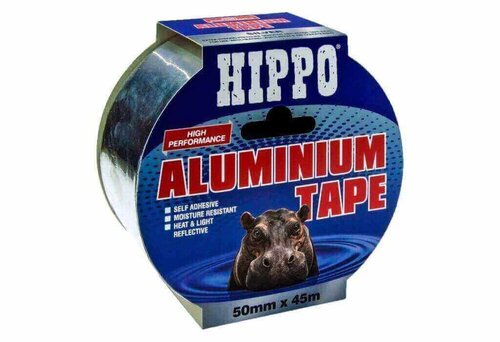
Hippo Aluminium Tape - 100mm x 45m Silver
Silver aluminium tape, 100mm x 45m, self-adhesive, moisture resistant and heat r…
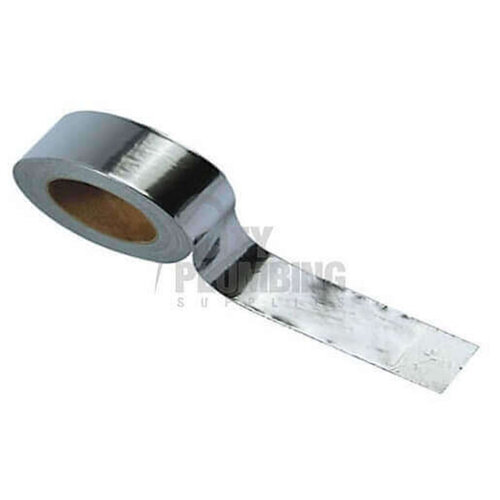
Regin Aluminium Foil Tape - 45m x 48mm
45 m x 48 mm aluminium foil tape, Class 'O' fire rated and water resistant.
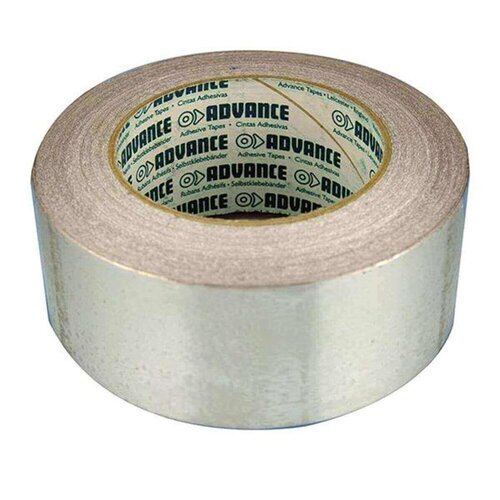
Arctic Hayes Aluminium Foil Tape - 45m
Arctic Hayes silver foil tape 50mm x 45m
For the Trade
You’re usually choosing foil insulation tape on three things: what it’s sticking to, how much heat it’ll see, and how tidy the joint needs to stay. For straight insulation laps and clean foil faces, standard foil tape is normally enough and easier to work with. If the edge is awkward, dusty, or likely to get knocked, a heavier aluminium foil tape gives you a firmer hold, but it’s less forgiving if the surface prep is poor. On ductwork and warmer services, the spec matters more than the label on the roll.
Foil Insulation Tape Types and Layouts
Most of the time, you’re choosing between standard foil tape, heavier aluminium foil tape, and foil sealing tape.
Standard foil tape is the usual pick when you want a neat, quick seal and don’t need much extra body. It keeps the job tidy and moves fast.
Heavier aluminium foil tape suits joints that get handled more or need a firmer hold. You get more bite, but you give up some flexibility.
Foil sealing tape is the one to use when the seal matters more than the finish. It gives a stronger seal, though it is less forgiving on the joint.
If you’re comparing it with other Tapes, heat, grip, and how the joint sits are usually what decide it.
What to Check Before You Buy
Material changes the job here. Aluminium foil tape is usually the easier-handling option when you want a neat seal and do not need much stiffness. Aluminium insulation tape feels firmer in the hand, which helps where the joint gets knocked about or the surface is less forgiving.
The trade-off is simple. Lighter tape is easier to work with. Heavier foil can hold its line better on awkward edges. If the job is more about general sealing than insulation detail, you may be better off looking at Duct Tape. For temporary masking and clean removal, Masking Tape is the one to reach for.
Useful Alongside Foil Insulation Tape
Once you’ve picked foil insulation tape, the next call is what it’s sealing and what finish is going over it. On ductwork or ventilation runs, you want a tape that stays put on clean metal and doesn’t lift at the edges. If you’re finishing adjacent boards or a visible service area, the cleaner edge matters more than bulk.
That’s where the surrounding products come in. A neat panel or screen can hide the rougher bits. The wrong finish will show every lifted corner. Most call-backs come from a joint that looked fine on the day but didn’t hold once the system warmed up.
Related searches
Local availability for Foil Insulation Tape














