Dehumidifiers
Choose dehumidifiers by where they’re going and how hard they need to work. A small room unit is usually enough for lighter condensation or drying laundry, while larger or commercial dehumidifiers suit spaces that stay damp or need faster pull-down. Desiccant models are the better fit in colder areas, where compressor units can lose pace as temperatures drop. Don’t buy on footprint alone - a compact unit is easier to place, but it won’t move the same amount of moisture.
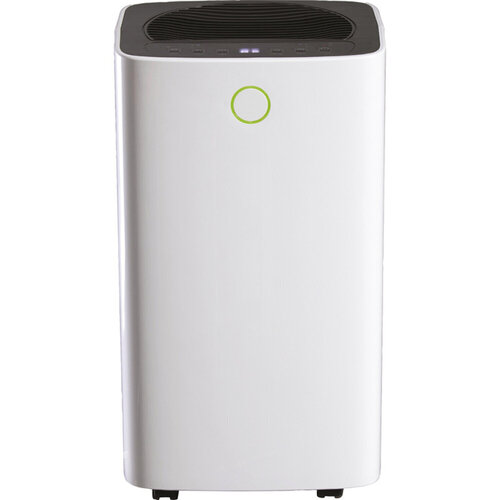
Wessex Dehumidifier - 12L
12L dehumidifier, 2L tank, 12L/day extraction, laundry mode, 36dB.
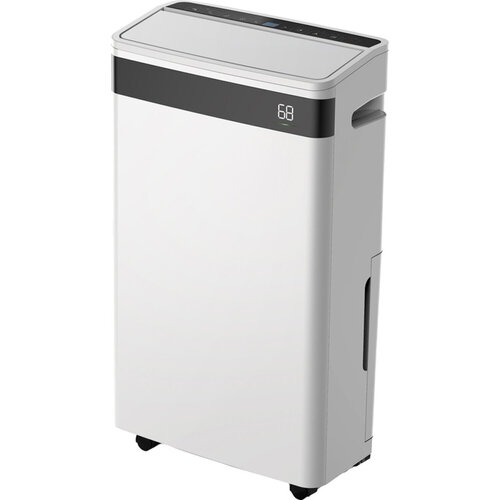
Wessex Dehumidifier - 20L
Wessex 20L dehumidifier, 2L tank, 12L/day extraction, quiet 36dB.
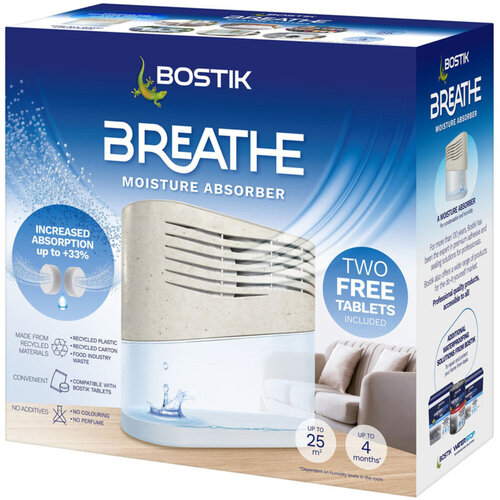
Bostik Breathe Home Dehumidifier - Unit
Non-electric tabletop dehumidifier with 1.2L tank for spaces up to 25m²
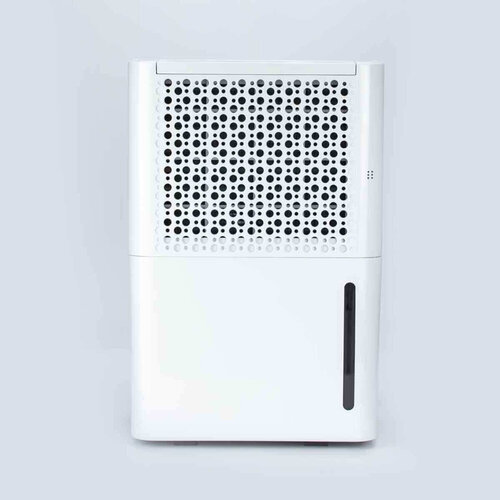
Status 12Ltr Dehumidifier DEHUMID-12L1PKB - White
White 12-litre dehumidifier with digital display and timer
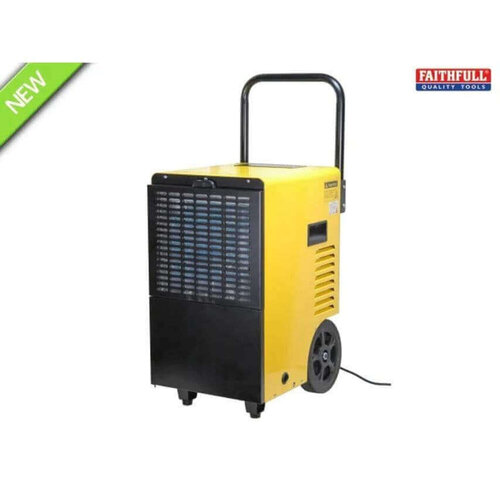
Faithfull Power Plus Industrial Dehumidifier - 240V
Industrial dehumidifier extracting up to 30 litres per day, 7 litre tank, 240V.
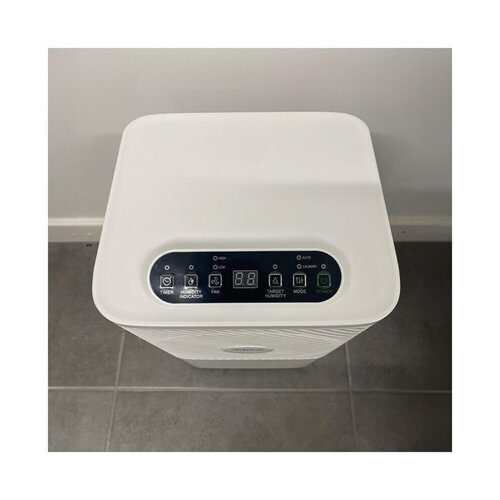
Dexpro Delux Digital Dehumidifier DXDH10 - 2.4L
Digital dehumidifier with 2.4L tank, air purification and laundry mode
For the Trade
Start with the space you’ve actually got and how hard the unit needs to work, then the rest falls into place. In a tight plant room, utility, or anywhere you need to move it between areas, portable dehumidifiers usually make more sense than a bigger fixed option. Step up to commercial dehumidifiers when you need more capacity and longer run time, but expect more weight and less flexibility. Quiet dehumidifiers matter where the unit’s running around people. For a colder, awkward space, a moisture remover may be the better call if output drops with temperature.
Dehumidifier Options Compared
Portable dehumidifiers are the usual pick when you need to move the unit between rooms. They’re easier to handle, but they’re not the best fit for heavy, long-run drying.
Commercial dehumidifiers and trade dehumidifiers suit jobs that need more sustained pull. They work better in harder-drying spaces, though they’re less handy if you want something you can shift about.
Quiet dehumidifiers make sense where the unit sits near occupied areas. You usually give up some output for that.
Energy efficient dehumidifiers are worth a look when the unit will run for long stretches. If you’re working across the wider Ventilation range, that’s often where the job and the running time decide it.
Choosing Materials and Size
If you’re picking dehumidifiers for a job, size the unit to the space you’ve got and how much room you can spare around it. Mini dehumidifiers and small dehumidifiers suit tighter spots where footprint matters more than output, but they’ll take longer if the area is genuinely wet.
Large dehumidifiers make sense when you need more pull and fewer emptying stops. They’re harder to place and move. Compact kit is easier to live with. Bigger units usually clear moisture faster.
If the brief is more about cooling or air treatment than moisture removal, look at Air Conditioning or Air Purifiers instead.
Completing the Setup
Once you’ve picked the dehumidifiers, the next call is what sits around them. In plant rooms, utility spaces and damp stores, you’re usually sorting the finish, any screening, and where the unit can sit without getting boxed in or starved of airflow.
That surrounding work matters. A neat enclosure can hide the kit, but if access is awkward, you’ll pay for it on the first service visit. Smaller dehumidifiers or mini dehumidifiers can leave more room for storage and pipework. Larger units need more planning around clearances and access.
Related searches
Local availability for Dehumidifiers





