PIV Units
PIV units usually come down to the property and the problem you’re trying to solve. Loft space, access for the unit, and whether you need a simple positive pressure setup or more control all matter. Compact models suit tighter installs. Larger units are generally chosen where you want more airflow and easier servicing. A lot of call-backs start with the wrong size or a poor filter choice, so match the unit to the job rather than just the price.
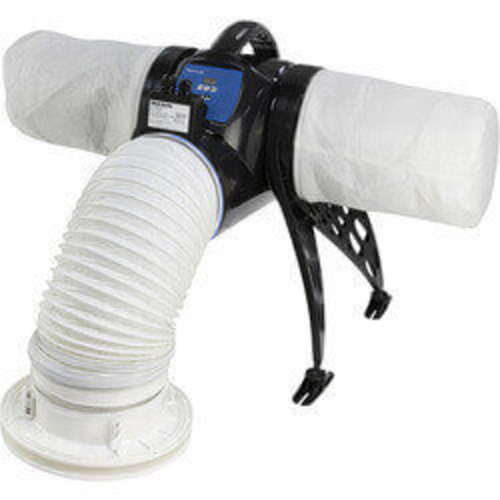
Vent-Axia Lo Carbon PureAir Home - Heater
Vent-Axia Lo-Carbon PureAir Home Heater PIV unit for up to 150m³, 86,400 litres/…
For the Trade
Start with the space you’ve got and how the unit will be used. That usually sets the spec before you look at anything else. With piv units, the wrong pick is often the one that looks fine on paper but does not suit the layout or the job pattern. If you are working to a tighter footprint, you usually keep to a simpler setup. If the property needs more control over airflow and filtration, you move up from the basic option. Finishes and extras come after that. Most call-backs come from forcing the wrong unit into the wrong space, not from overthinking the trim.
Types of PIV Units
For PIV units, the first split is usually between a straightforward loft-mounted unit and a more specified setup with better filtration or control.
Basic positive input ventilation units suit jobs where you want a simple, low-fuss fit and the spec is fairly standard. They are the ones you reach for when you do not need extra control or added features.
Move up to more developed piv systems when the job calls for tighter airflow control or a better filter choice. You pay more for that, and there is more to maintain. Ventilation is the wider range if you are weighing this against other routes, but the real question is how much control the job justifies.
Selection Factors for PIV Units
If the loft is tight or access is awkward, compact piv units are the first place to look. They keep the footprint down and are easier to place without fighting the roof space.
The trade-off is simple. You gain room around the unit, but you usually give up some airflow and filter capacity compared with larger piv systems.
When the brief is about keeping the unit out of the way rather than chasing maximum output, that smaller format makes sense. If the spec needs more control, look at Air Conditioning or Air Purifiers instead.
Finish the Room
Once the main unit’s chosen, the next call is usually the parts that keep the job moving - filters, access panels and any trim around the opening.
That’s where the difference shows on site. A filter you can reach quickly saves time at service. A poor finish around the hatch gets noticed later. If the room is being signed off as part of a wider ventilation job, keep the surrounding products consistent with the rest of the spec.
Related searches
Local availability for PIV Units


