Double Sided Tape
Double sided tape comes down to what you’re fixing, how much grab you need, and whether it has to come off cleanly later. Foam grades suit uneven faces and give a bit of build. Thinner tape is better where you want a neater line and less bulk. For a permanent fixing, go stronger. If you need adjustment or removal, that changes the choice straight away. The usual mistake is using a light tape where the surface or weight needs more hold.
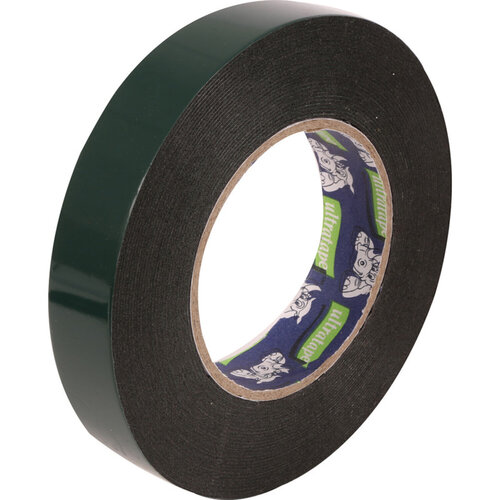
Extra Strong Foam Mounting Tape - 25mm x 10m
Double-sided foam tape, 25mm x 10m, UV and water resistant
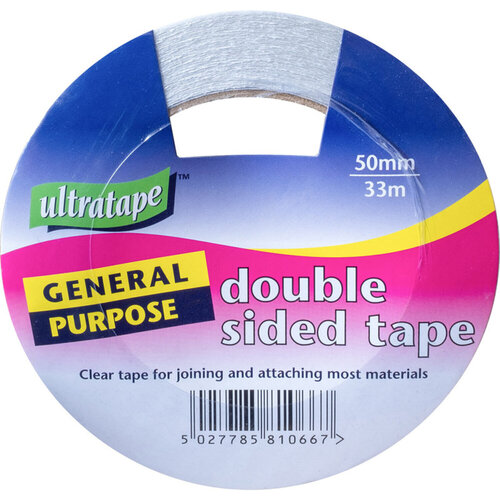
Double Sided Tape - 50mm x 33m
Clear double-sided tape, 50mm x 33m, for strong bonding on wood and concrete.
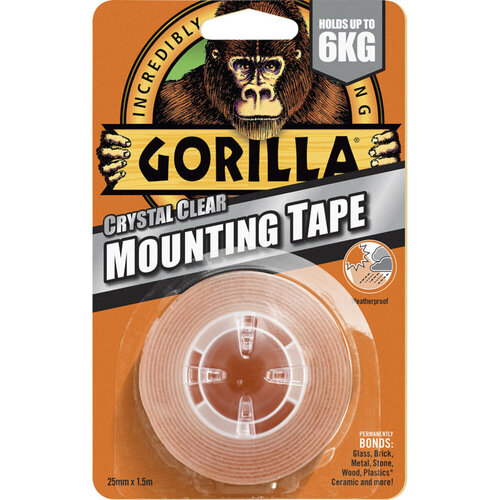
Gorilla Crystal Clear Mounting Tape - 25.4mm x 1.52m
Crystal clear double-sided mounting tape for instant, weatherproof bonds.
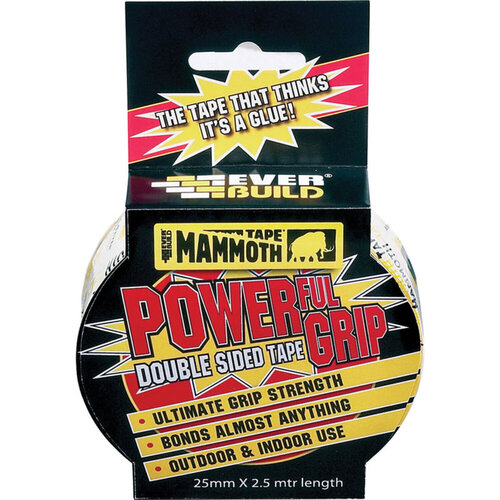
Power Grip Tape - 25mm x 2.5m
25mm x 2.5m clear double-sided tape with ultra high grip for interior and exteri…
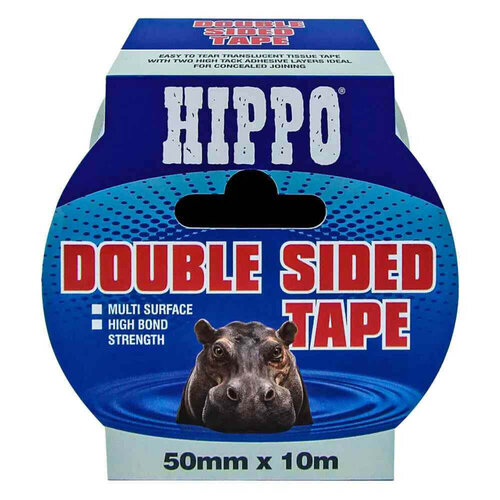
Hippo Double Sided Tape - 50mm x 10m clear
Clear double-sided tape with high-tack acrylic adhesive, 50mm x 10m
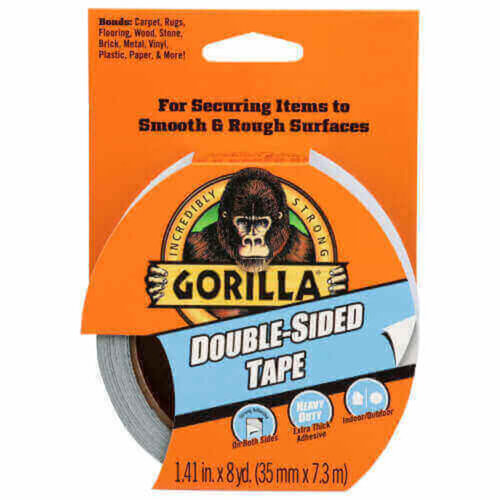
Gorilla Glue Double Sided Tape - 7.3m
Gorilla double sided tape, 7.3m, weather resistant for indoor and outdoor heavy-…
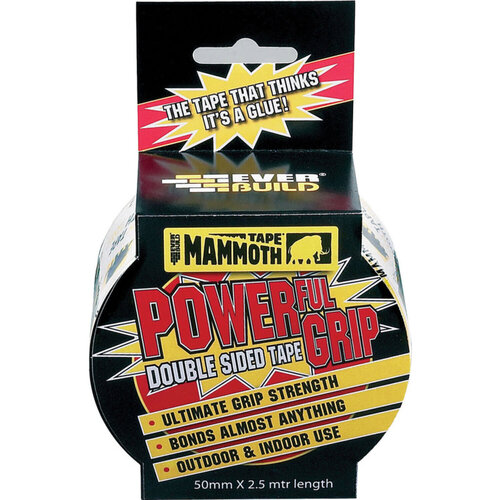
Power Grip Tape - 50mm x 2.5m
50mm x 2.5m clear double-sided tape with ultra high grip for interior and exteri…
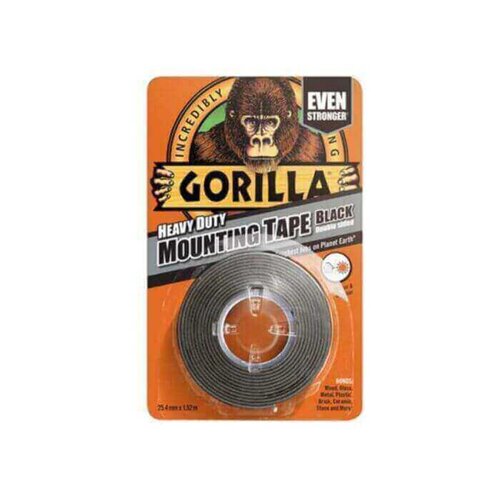
Gorilla Glue Heavy Duty Double Sided Mounting Tape - 25.4mm x 1.52m Black
Heavy-duty double sided tape, 25.4mm x 1.52m, black, for indoor/outdoor use
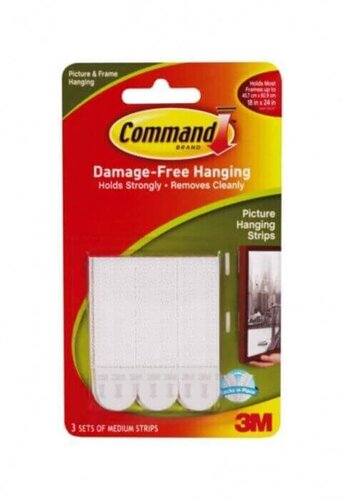
Command Damage Free Hanging Strip - Medium 3 Pack
Damage-free hanging strips, holds 3lb, 3 sets
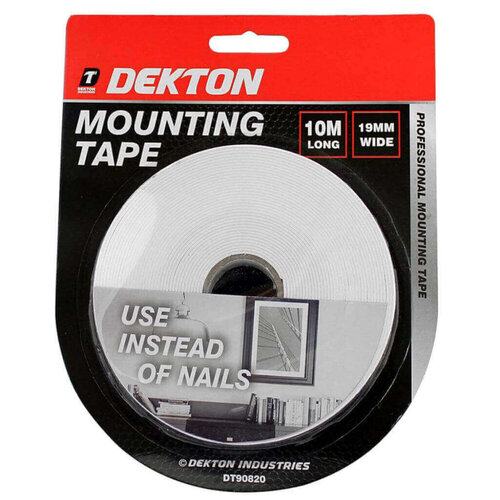
Dekton Mounting Tape - 10m x 19mm
Heavy-duty double-sided foam tape, 10m x 19mm, holds up to 1kg
For the Trade
Start with the space you’ve got and how the fixing will be used. That usually decides the tape before you look at anything else. On a clean, flat face, you can keep it simple with double sided tape for mounting. If the item is awkward, heavier, or needs more bite, move up to stronger grades or foam-backed options. Removable double sided tape is the one to reach for when you may need to lift it later without a fight. Permanent grades suit jobs where you want it left alone. The call-back jobs are usually the ones where the tape was chosen for the finish, not the load.
Types of Double Sided Tape
You’re usually choosing between a thin double sided adhesive tape for neat, light fixing, a foam-backed double sided tape for a bit of gap fill and grip, or a heavier grade when the item has more weight or movement in it.
Double sided tape for mounting is the common call for trims, signs and fittings where you want a clean face. Double sided tape for fixing is the broader option when the job is less tidy.
Heavy duty double sided tape gives you more hold, but it’s less forgiving if you need to lift and reset. If you’re comparing the wider Tapes range, this is the one you pick when the fixing has to stay hidden.
Selection Factors for Double Sided Tape
The main call is still what you’re sticking, how clean the faces are, and whether the fixing needs to stay put or come off later.
A thinner double sided tape suits neat, light work where you want less build. Foam-backed grades give more bite and handle a bit of surface variation.
If the job is more demanding, move up to a stronger grade rather than asking a light tape to carry it. That is where callbacks start. For temporary fixing, Safety & Hazard Tapes is the better route. For floor work, Carpet Tape is the one to look at.
Finish the Room
Once you’ve picked the tape, the next call is what else is going into the room and what needs fixing off cleanly. Panels and screens usually need a neater, more permanent fixing. Storage and trims may need something you can remove later without tearing the finish.
That’s where double sided tape earns its keep on site. It holds the item while you’re setting out, then stays out of the way once the fix is made. The wrong grade will either let go or leave you fighting the surface after. If the job also needs floor protection or marking out, keep those separate and look at carpet tape or safety and hazard tapes instead.
Related searches
Local availability for Double Sided Tape











