MDPE
mdpe pipe is the one you normally pick for underground water supply when you want coil form rather than rigid lengths. Size is the main call. Smaller mdpe pipe suits domestic service work. Larger diameters are there when the flow demand or main run calls for it. Blue pipe is the common choice for potable supply, and the wrong size is what usually causes grief later, not the material itself.
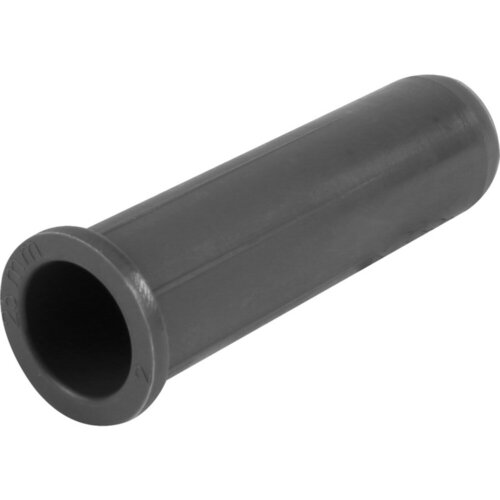
MDPE Pipe Liner - 25mm
25mm MDPE pipe insert
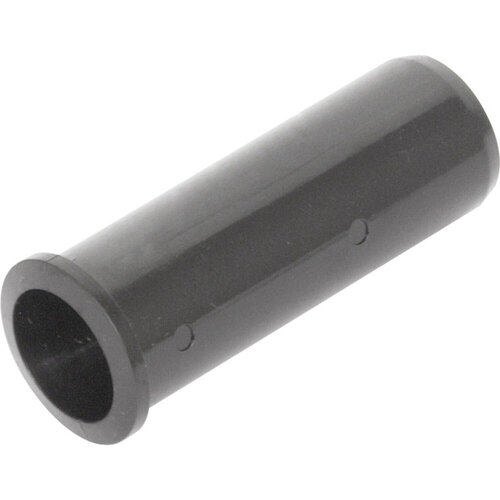
MDPE Pipe Liner - 32mm
32mm MDPE pipe liner
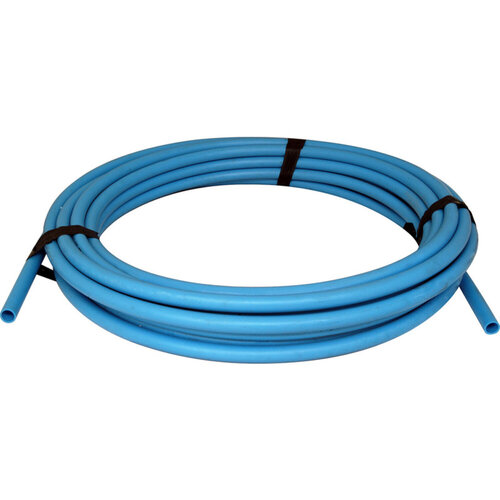
MDPE Pipe - 25mm x 25m
Blue MDPE cold water service pipe 25mm x 25m, BS 6572 & WRAS approved
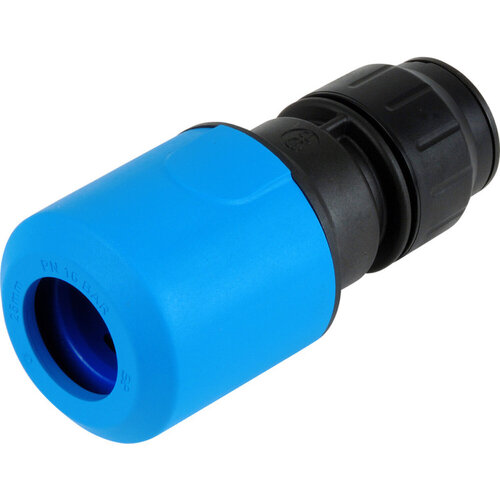
John Guest Speedfit MDPE PE Copper Coupler - 20mm x 15mm
Push-fit coupler connects 20mm MDPE to 15mm copper pipework
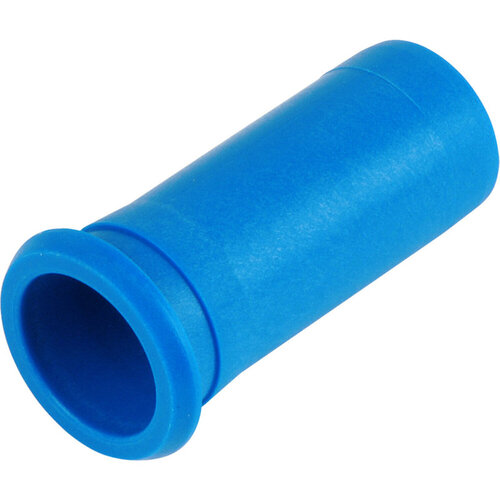
JG Speedfit MDPE Pipe Insert - 20mm
20mm MDPE pipe insert for plastic pipe fittings.
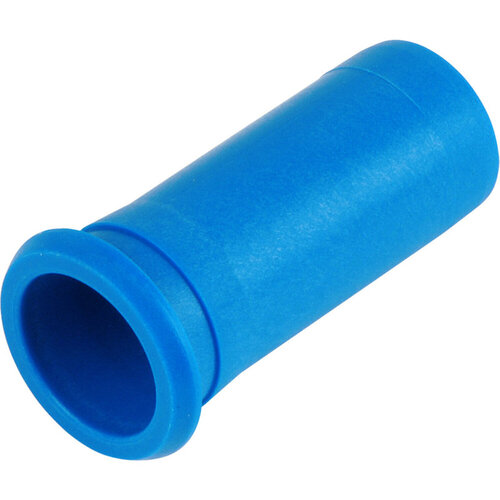
JG Speedfit MDPE Pipe Insert - 25mm
25mm MDPE pipe insert for secure pipe connections
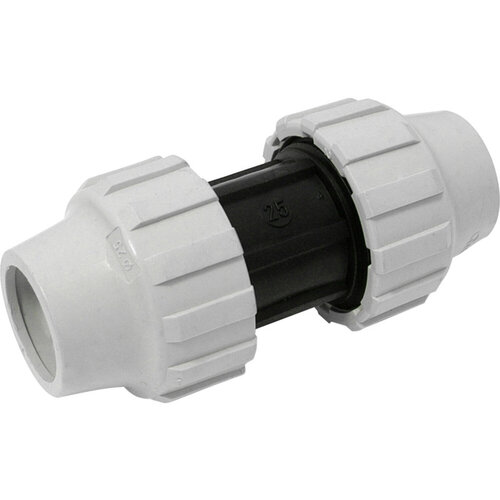
MDPE Straight Coupling - 25mm
WRAS approved 25mm MDPE straight coupling for 12 bar cold water
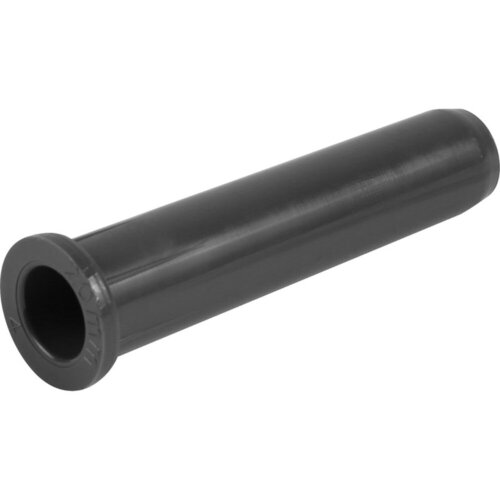
MDPE Pipe Liner - 20mm
20mm MDPE pipe liner
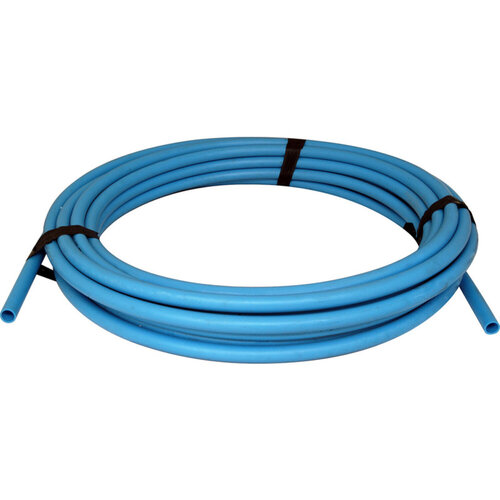
MDPE Pipe - 20mm x 25m
Blue MDPE cold water service pipe 20mm x 25m, BS 6572 & WRAS approved
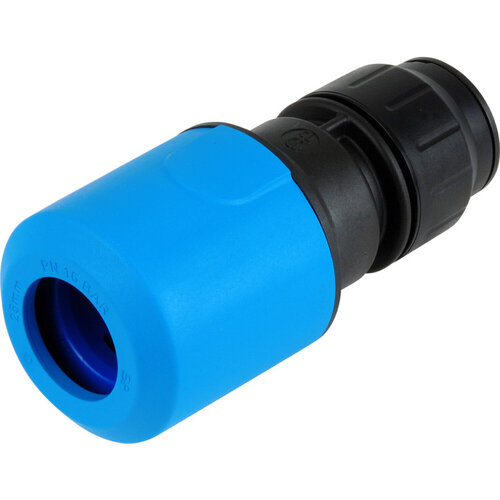
John Guest Speedfit MDPE PE Copper Coupler - 25mm x 22mm
Push-fit MDPE coupler for 25mm to 22mm pipe, 25-year guarantee
For the Trade
Start with the space you’ve got and how hard the line is working, then the rest falls into place. A short run with tight bends and a straightforward feed usually points you one way. A longer service run, or a job with more demand, pushes you up a size. That’s where mdpe pipe 25mm, 32mm, 50mm and 63mm stop being just numbers and start being about flow, handling and the room you have to work with. Then it comes down to form. A mdpe pipe roll is easier to pull through awkward routes, while a straighter length can sit cleaner where the layout is open.
MDPE Types and Layouts
If you’re choosing mdpe pipe, start with coils or straights. A mdpe pipe roll suits longer runs and keeps the number of joints down, so it’s the one you reach for on service work where you want a continuous line.
Straight mdpe pipes make more sense where the run is broken up or access is tighter. They’re easier to handle in shorter lengths, but you’ll make more joints.
25mm is the lighter-duty choice for smaller supplies. mdpe pipe 32mm gives you a bit more capacity without moving into the larger sizes.
50mm and mdpe pipe 63mm sit at the heavier end of the range. They suit higher demand or main runs, but they’re less forgiving to handle and route.
What to Check Before You Buy
The first check is what the line needs to do and how you’re running it. For a straightforward underground service, mdpe pipe is usually the one you reach for.
Size still matters. 25mm is common where demand is modest. 32mm gives you more headroom. 50mm or 63mm suits longer runs or a supply that needs more capacity.
Rolls work well on continuous runs because they cut down on joints. Straight lengths can be easier where the route is broken up or access is tight.
If you’re tying into other plumbing work, check the next stage against Waste Pipe & Fittings and Access Panels before you order.
Useful Alongside MDPE
Once you’ve settled the mdpe pipe, the next call is what the run has to pass through and finish against. Access panels matter where you need future access without tearing out finishes. Waste pipe and fittings come in when the job moves from the supply line into internal drainage.
That’s the bit that gets missed on site. The pipe is only half the job if you haven’t allowed for access, terminations and the surrounding finish. Keep the surrounding spec tight and you avoid coming back to alter a wall or chase because the wrong piece was left out.
Related searches
Local availability for MDPE










