Rigger Boots
Rigger boots are the pick when you want a pull-on safety option that’s quick to get on and off, with less faff than laces on a busy shift. They suit jobs where you’re in and out of the van, but they are not the first choice if you need a tighter ankle hold or a more tailored fit through the day. Leather versions usually take more punishment. Lighter builds are easier on your feet if you are on them all day.
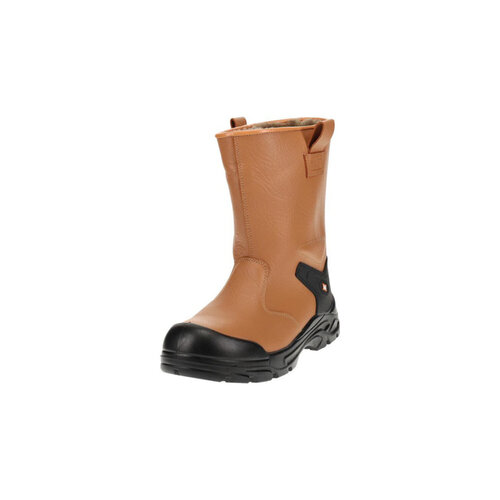
Maverick Tower Safety Rigger Boots Tan - Size 11
Tan leather safety rigger boots, size 11, with steel toe cap and warm lining, EN…
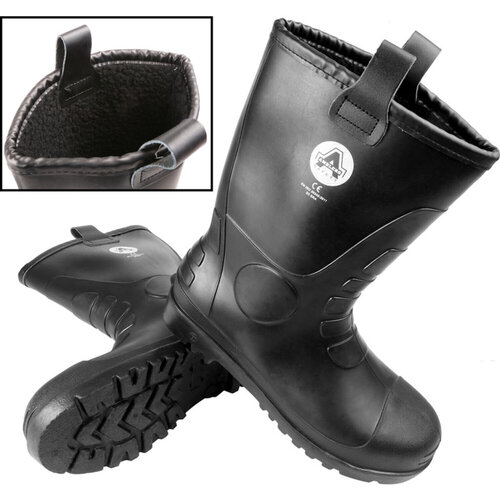
Amblers FS90 Black Safety PVC Rigger Boots - Size 8
Waterproof unisex black safety rigger boot, size 8, steel toe cap and midsole
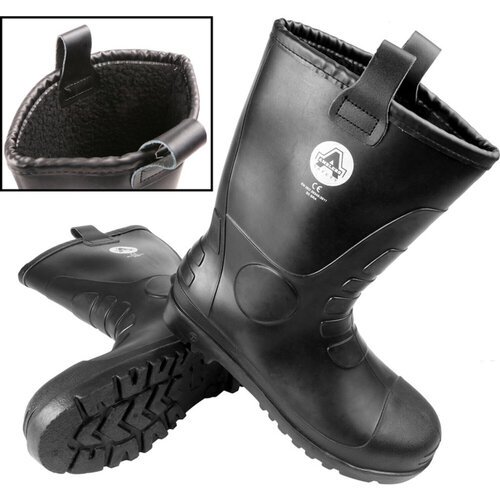
Amblers FS90 Black Safety PVC Rigger Boots - Size 9
Black waterproof PVC safety rigger boots, size 9, steel toe and midsole
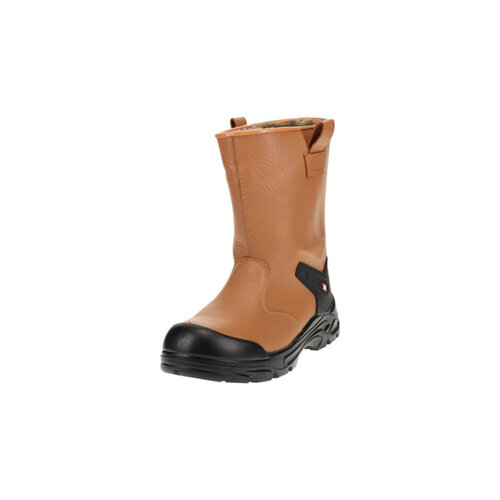
Maverick Tower Safety Rigger Boots Tan - Size 10
Tan leather safety rigger boots, size 10, with steel toe cap and warm lining, EN…
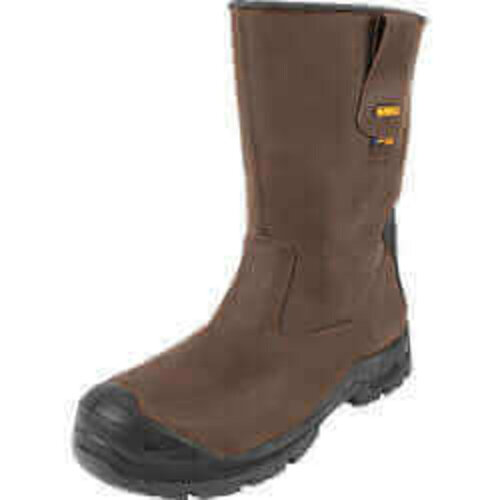
Dewalt Haines Waterproof Safety Rigger Boots - Size 8
Dewalt Haines waterproof rigger boot, size 8, with steel toe
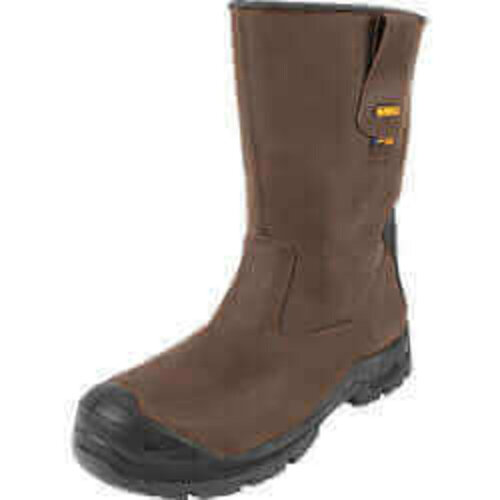
Dewalt Haines Waterproof Safety Rigger Boots - Size 9
Dewalt Haines waterproof rigger boot, size 9, with steel toe
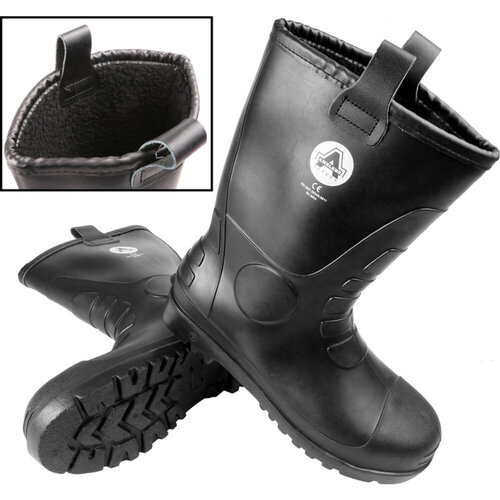
Amblers FS90 Black Safety PVC Rigger Boots - Size 11
Black waterproof PVC safety rigger boots, size 11, steel toe and midsole
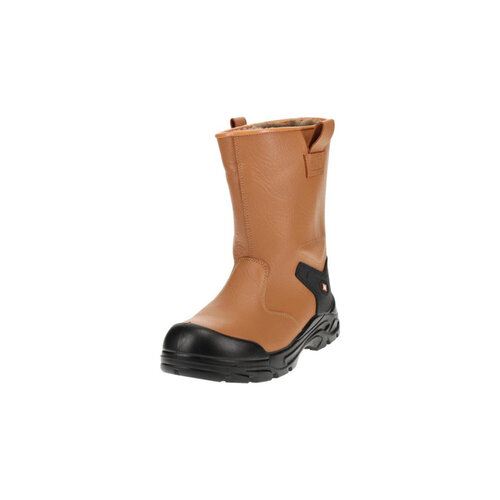
Maverick Tower Safety Rigger Boots Tan - Size 8
Tan size 8 safety rigger boots with steel toe and midsole.
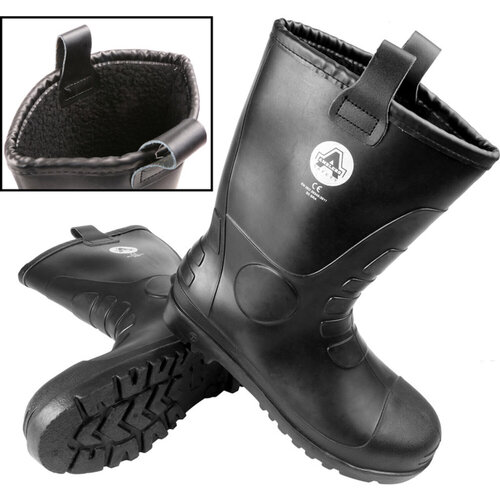
Amblers FS90 Black Safety PVC Rigger Boots - Size 10
Black PVC rigger safety boots with steel toe cap and midsole, S5 SRA rated
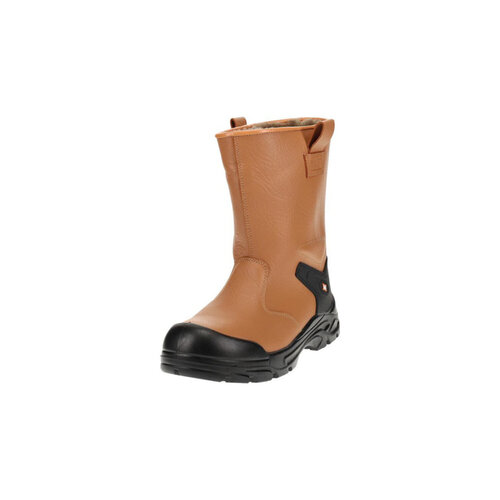
Maverick Tower Safety Rigger Boots Tan - Size 9
Tan leather safety rigger boots, size 9, with steel toe cap and warm lining, EN …
For the Trade
Start with the space you’ve got and how the boot will be used on the job. If you need something that goes on and off quickly, rigger boots make sense, but the fit around the calf and the room inside matter more than the badge on the box. A heavier leather pair usually takes more punishment. A lighter build is easier to live with over a long shift. On rough jobs, put the tougher options first. If you want less bulk, check weight and lining before you get distracted by extras.
Rigger Boot Types and Layouts
Leather rigger boots suit rougher use. They take more scuffing and feel more planted, but you give up a bit of ease over a long shift.
Lightweight rigger boots make more sense when you want to keep fatigue down and the job is less punishing. They are easier to live with, though they usually will not feel as stout.
High visibility rigger boots are the pick when visibility matters. They are a narrower choice, but they remove the need for another visible layer.
Across Safety Footwear, the choice still comes down to protection, weight, and how much punishment the boot needs to take day after day.
What to Check Before You Buy
Start with the job conditions, not the label. A tougher leather pair makes sense where the boots are going to get knocked about. A lighter build is worth a look if you’re on your feet all day and want to keep the weight down.
If visibility is part of the brief, high visibility rigger boots are the obvious call. You do give up some of the plain, no-nonsense look some lads prefer. Check the fit as well. A sloppy heel or loose shaft is what gets complained about later.
If you need a different spec altogether, Chainsaw Boots sit in a separate job category, and Laces & Insoles are worth sorting at the same time if the pair is going to be worn hard.
Useful Alongside Rigger Boots
Once you’ve settled on rigger boots, the next call is what else the job needs around them.
If you’re dealing with wet ground or standing water, waterproof footwear or wellies may be the better buy for the worst areas, while rigger boots stay on for the rest of the shift.
On rougher sites, chainsaw boots come into play where the spec calls for that extra protection.
Laces & insoles are worth sorting at the same time too. A boot that’s loose or tired soon gets uncomfortable, and that’s the bit that usually gets missed until the first call-back.
Related searches
Local availability for Rigger Boots

