Energy Monitors
Energy monitors come down to how much detail you need and how you want to read it. A basic plug-in unit works for quick checks on a single appliance. A smart energy monitor or wireless electricity monitor suits whole-property live usage when you do not want to keep going back to the metre. The usual snag is buying more data than the job needs.
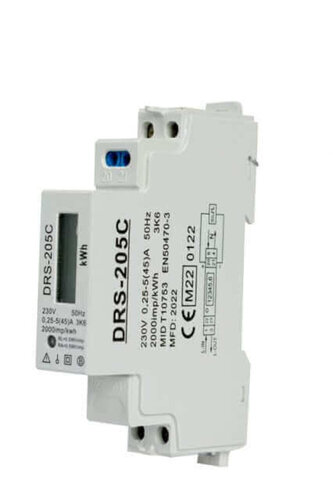
FuseBox Single Phase kWh Meter - 45A 230V MID Approved
45A single phase MID approved kWh meter for real-time energy monitoring
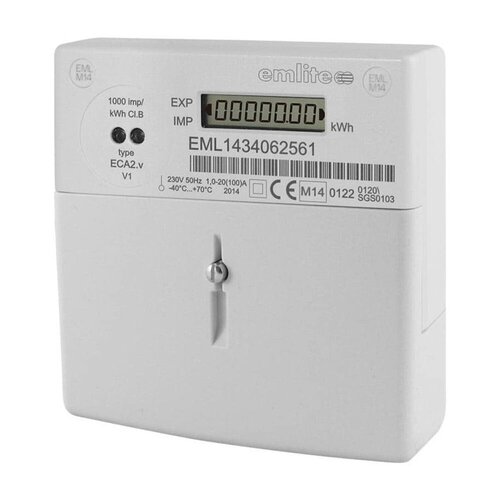
Emlite ECA-2 Single Phase Electricity Meter Inc Termil Cover
Compact single-phase electricity meter with LCD display and extended terminal co…
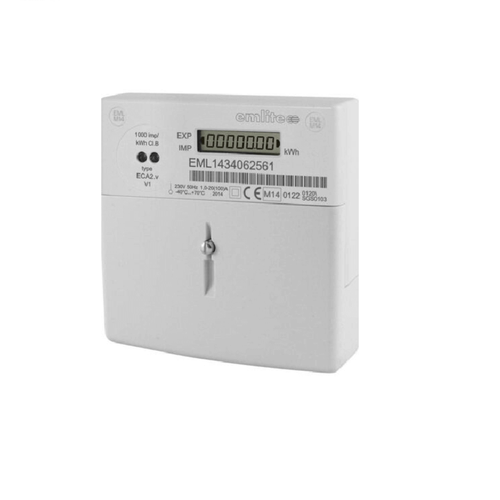
Emlite ECA-2 Single Phase Electricity Meter
Compact single-phase electricity meter with MID approval and large LCD display.
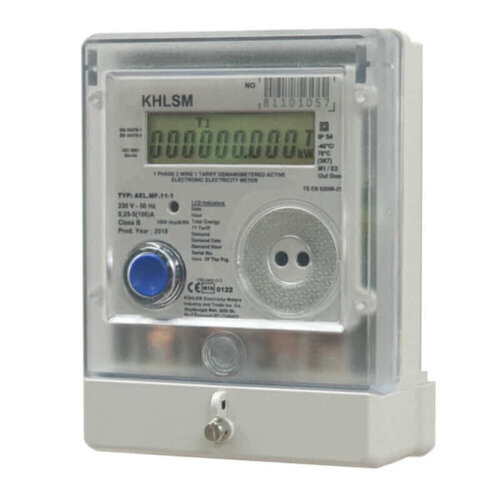
Single Phase MID Approved Meter AEL.MF.11.1 - 100A
Single phase MID approved meter for 100A supplies with large LCD and security ki…
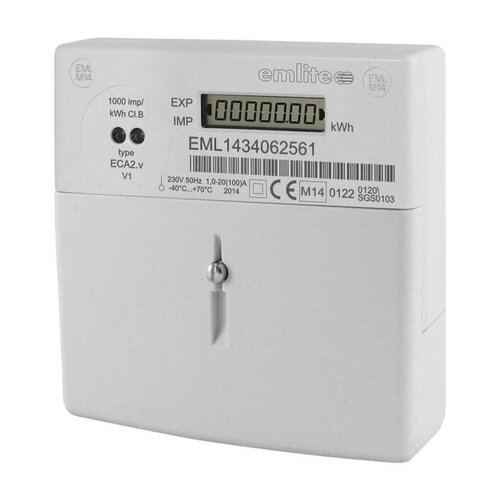
Emlite 1-Ph Bi-Directional Meter 100A
100A single phase bi-directional energy meter, MID approved
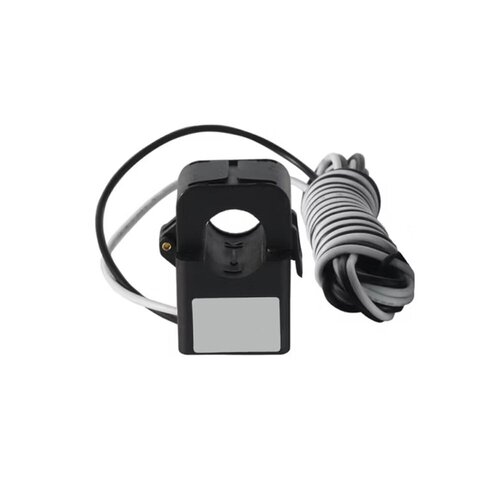
Alpha ESS Grid Connection CT Clamp for G3 Series
CT clamp for grid connection on Alpha ESS G3 series
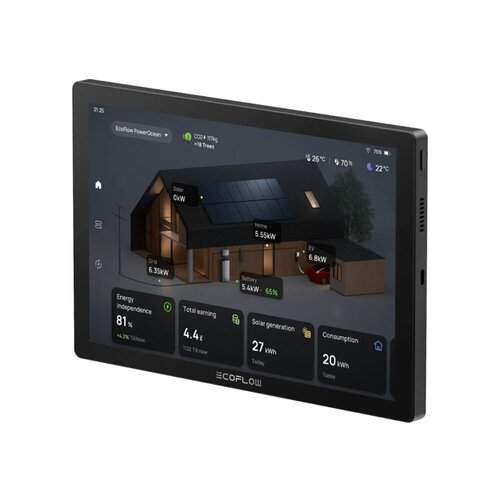
Ecoflow PowerOcean Home Energy Manager
Touchscreen home energy manager that optimises battery/solar power and grid feed…
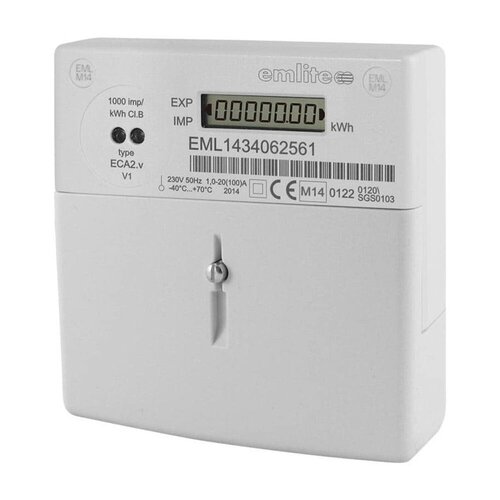
EmlITE 1-Phase Bi-Directional Generation Meter - 100A 1000 pulse/kWh
Compact 1-phase bi-directional generation meter, 100A, 1000 pulse/kWh, with larg…
For the Trade
Start with the space you’ve got and how the kit will be used, then the rest of the choice gets easier. If you only need a simple electricity monitor for one circuit or appliance, keep it straightforward and don’t pay for features you won’t use. If the job needs live data, remote checking, or a smarter setup, a smart energy monitor usually earns its keep. It does add more to set up, and an awkward layout can make it harder to place the display or sensor cleanly.
Energy Monitor Types and Layouts
A basic electricity monitor suits a single circuit or appliance when you only need a clear reading. It costs less, and there is less to go wrong.
A plug-in energy monitor works for a socket load when you want quick setup. The trade-off is simple: you lose whole-property visibility.
A smart energy monitor fits jobs where the client wants live data or remote checking. You pay for features a straightforward installation will not use.
Around Domestic Electricals, the split is usually between a basic readout and connected kit. The wrong choice is the one that gives more data than the job needs.
What to Check Before You Buy
What usually decides it is how much of the installation you need to watch and how much detail the customer actually wants. A plug-in energy monitor suits a single appliance or socket load when you want a quick read without extra kit. A smart energy monitor works better when you need live data and remote checking.
If you only need a straightforward electricity monitor, don’t pay for app features you will not use. If the brief is broader, a home energy monitor gives you more to work with, but only if the customer will act on the numbers. If you are also sorting related kit, Telephone Accessories and Alarms & Sensors sit in the same domestic electricals run.
Useful Alongside Energy Monitors
Once you’ve picked the energy monitor, the next call is how the rest of the job gets finished off. You may need the right back box, enclosure or panel space, and that is what stops it looking like an afterthought.
If the job also needs alarms and sensors, keep that spec separate. Monitoring and protection gear do different jobs.
For anything that needs a fixed connection point or a neater termination, check the surrounding accessories before you sign it off. That is usually where the call-backs come from, not the monitor itself.
Related searches
Local availability for Energy Monitors


