Silicone Remover
Silicone remover is what you reach for when the old bead has to come out cleanly before you re-seal. Gel or spray usually comes down to access and dwell time - gel stays put on vertical joints, while spray is quicker on flatter runs but can be messier near finished surfaces. A decent silicone sealant remover saves you fighting residue, but badly contaminated joints may still need a second pass and a proper scrape.
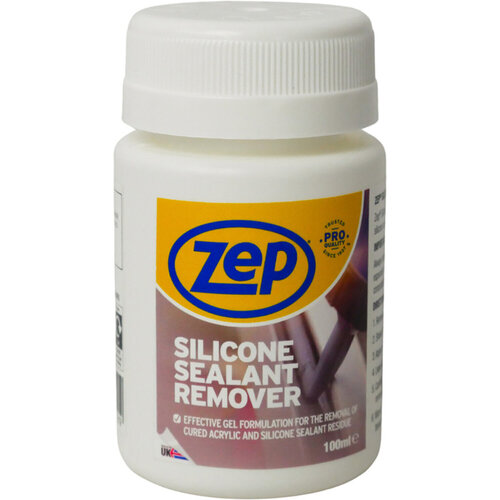
Zep Silicone Sealant Remover - 100ml
Gel silicone remover with brush applicator for quick, effective removal on non-p…
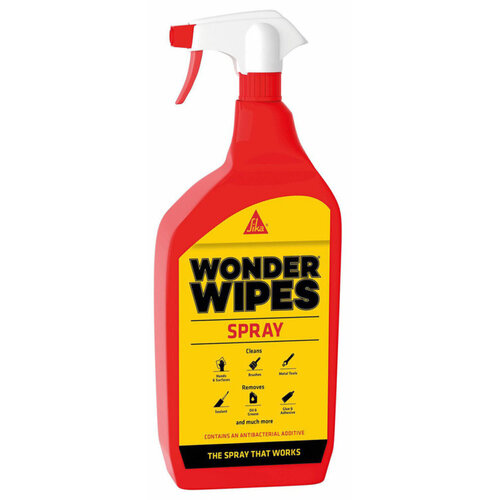
Sika Wonder Wipes Ready to Use Multi-Use Spray - 1L
Multi-use spray cleaner for hands, tools and surfaces, 1 litre.
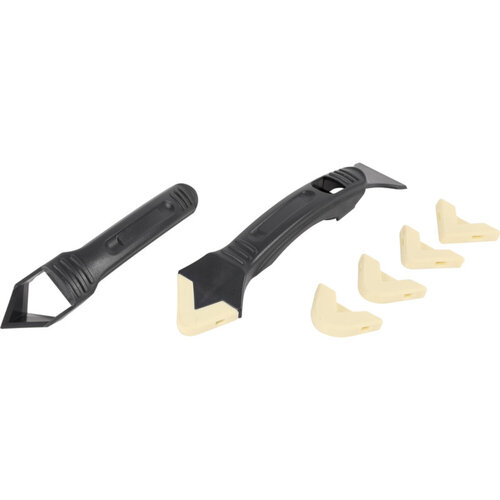
Vitrex Silicone Remover & Finisher
Sealant remover and finisher with 5 profiles for neat results
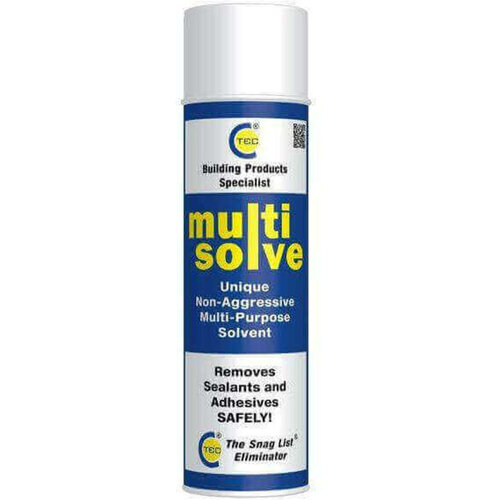
Ct1 Multisolve Multi Purpose Adhesive & Sealant Remover - 500ml
Multi-purpose adhesive and sealant remover, 500ml
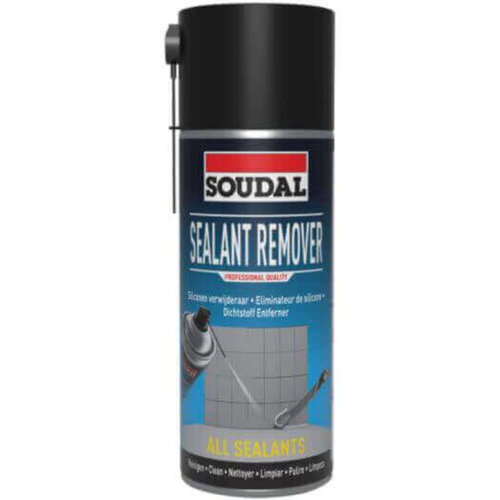
Soudal Sealant Remover - 400ml
Ready-to-use spray for removing cured silicone and hybrid polymer residues
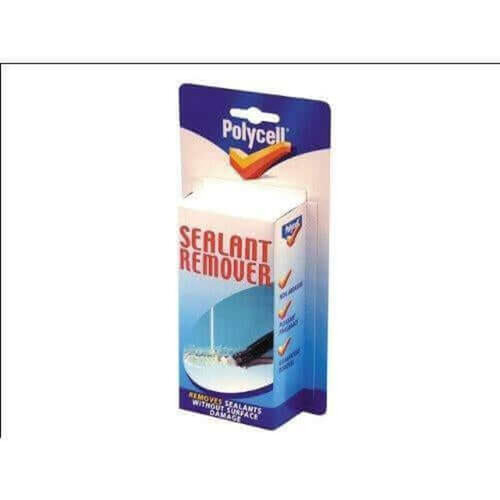
Polycell Sealant Remover - 100ml
Removes old sealant without damaging original surfaces
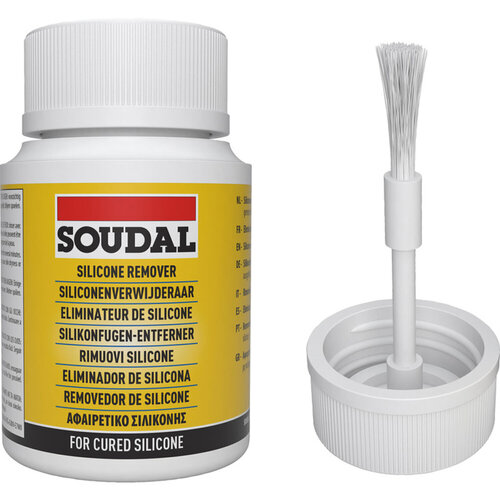
Soudal Silicone Remover - 100ml
Terpene-based gel remover for cured silicone and polymer residue.
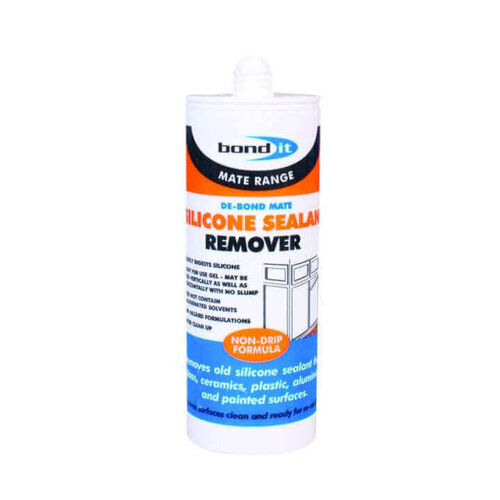
Bond IT De-Bond Mate Silicone Sealant Remover
Bond IT De-Bond Mate silicone sealant remover
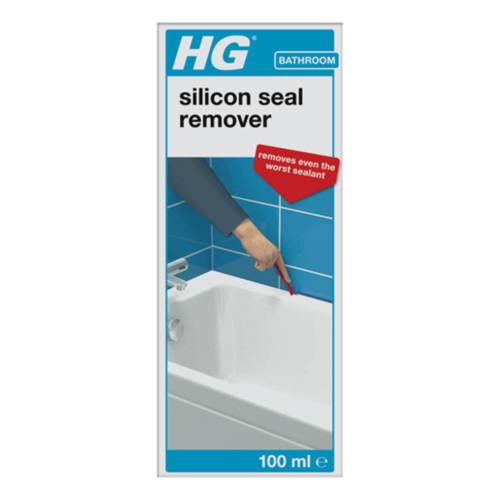
HG Silicone Seal Remover - 0.1L
HG silicone seal remover in 0.1L bottle
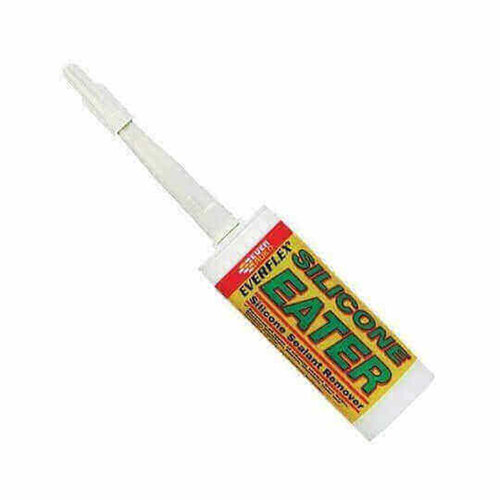
Everflex Silicone Eater
100ml silicone remover for silicone sealant removal
For the Trade
You’re usually picking silicone remover because the old bead has gone hard, smeared, or left a film that will spoil the next finish. The first call is how clean the substrate needs to be before you go back in. A quick strip out is one job. Getting residue off tiles, frames, or worktops is another. A silicone sealant remover that softens what is left saves time where scraping alone would just move it around. If the old material is thick or contaminated, you want something that breaks it down properly, not just the surface skin.
Popular Silicone Remover Formats
A silicone remover usually comes down to what’s left after the bead’s out. A sealant remover is the one you reach for when the old line is still bonded and needs softening before you scrape. A sealant cleaner is for the final film and smear that can spoil the finish if you leave it.
That split matters on site. Use the wrong one and you add extra passes, with more chance of marking the substrate. If you’re working through Sealants, Silicones & Tools, this is the point where you choose between strip-out help and residue cleanup.
Key Differences When Choosing
What you buy usually comes down to what’s left behind after the bead’s out. A silicone remover is the one you reach for when you need to soften cured material before you scrape. A silicone cleaner or silicone residue remover makes more sense when the joint’s gone but the film still needs clearing off cleanly.
If the job is mainly stained or shadowed rather than built up, a silicone stain remover may save time, though it’s not the same as a full strip-out product. Material choice changes handling as well as the finish you leave behind. On a visible bath edge or worktop, you want the cleaner that gets you back to a sound surface without extra marking.
If you’re also sorting the next stage, Caulking Guns and Decorators Caulk are the usual follow-ons.
Next Decisions After Choosing
Once the remover has done its job, the next call is usually what goes back around it. If you’re finishing a bath or shower area, check the panels and screens first. A poor edge detail will show up again when the new bead goes in.
Around kitchens and utility runs, storage fronts, worktops and adjacent finishes matter just as much. A clean strip-out is wasted if the surrounding surface is still marked or lifting. For a neat re-seal, you’ll often move straight on to decorators caulk or a fresh sealant. Clean the substrate properly, and you spend less time chasing the same joint twice.
Related searches
Local availability for Silicone Remover









