Insulated Hand Tools
Insulated hand tools come down to the job spec and the shape you reach for most. For live work, you’ll usually be choosing between insulated screwdrivers, pliers and wrenches. If you’re on them all day, heavier-duty or ergonomic versions are worth a look. A set keeps the kit together, but individual pieces make more sense if you only need one or two formats.
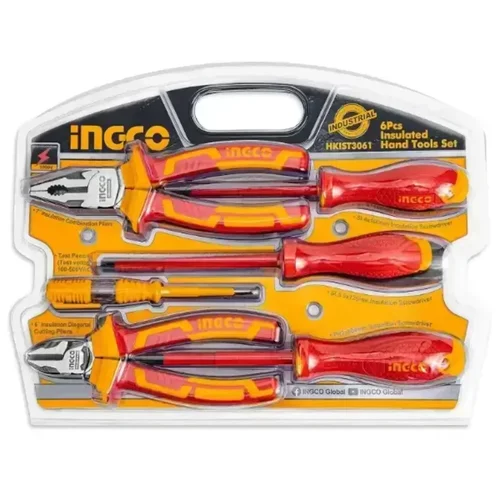
Ingco Industrial Insulated Hand Tools Set - 6 Pack
6-piece insulated hand tools set from INGCO
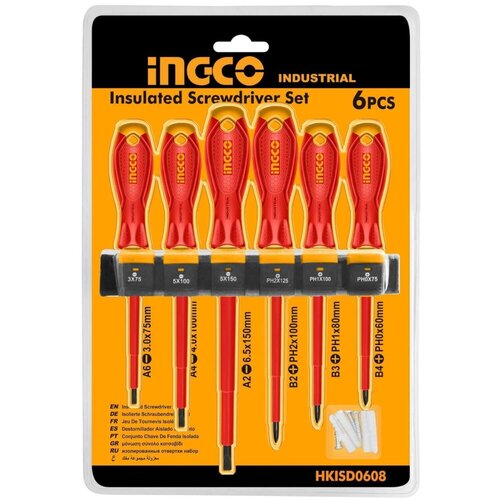
Ingco Industrial Insulated Screwdriver Set - 6 Pack
1000V VDE insulated screwdriver set with 6 pieces
For the Trade
Start with the space you’ve got and how the tools will be used, then narrow the spec from there. Long-handled pieces work when access is open, but they become awkward in tight cupboards, panels, or plant rooms. That is where shorter insulated hand tools usually make more sense. A lot of call-backs come from buying on finish first and finding the handle shape or grip is wrong for the job. If you’re working all day, weight and balance matter as much as the rating. A tool that feels clumsy gets left out of the bag.
Insulated Hand Tool Options Compared
For most jobs, you’re choosing between insulated screwdrivers, insulated pliers and insulated wrenches. The best fit is usually the one you’ll reach for most often, not the heaviest-looking option.
Screwdrivers suit day-to-day work because they get used constantly, and the handle shape matters when you’re working through a run of terminations. Pliers are the better pick when you need grip and cutting in one hand, but they slow you down on repetitive screw work. Wrenches make sense when fixings are the main job, though they are the least versatile of the three.
If you’re building out a mixed set, Garden Hand Tools is the parent hub to start from. The choice is between a lighter, more general trade insulated hand tools setup and a more task-specific kit.
Choosing Materials and Size
What usually decides it is the task and the space around it. You’ll normally buy insulated hand tools in the format you reach for most, then check the handle bulk and overall length against the area you’re working in.
A slimmer pattern is easier in a crowded board or cabinet. A heavier-duty version usually feels steadier if you’re on it all day. That’s the trade-off. Less bulk for access, or more substance in the hand.
If the job is more about cutting or clearing than general fixing, look at Axes or Bow Saws instead.
Completing the Setup
Once you’ve picked the insulated hand tools, the next call is what else needs to be in place around them. If you’re setting up a work area, storage and a proper screen matter. Loose tools get knocked about, and that is when kit goes missing or gets damaged.
For the surrounding fit-out, look at panels and finishes that suit the space, then add the storage that keeps the set together between jobs. If the job also needs access gear or a separate enclosure, sort that before you get on site. It keeps the load right and cuts the chance of a return run for the missing piece.