Patio Kits
Patio kits are usually chosen on three things: the area you need to cover, the finish the customer wants, and how much cutting you want to do on site. A simple rectangular kit keeps the job tidy and predictable. Mixed-size patio kits suit a more broken-up layout, but they take longer to set out. Pick the format that matches the space rather than forcing a pattern to fit - that is where time gets lost and returns start.
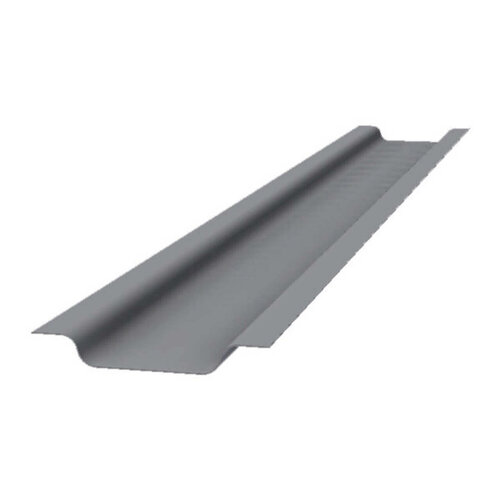
G180 Gully Trim/Expansion Joint - 3m
3-metre grey GRP gully trim, 3000 x 160 x 20mm, durable and long-lasting
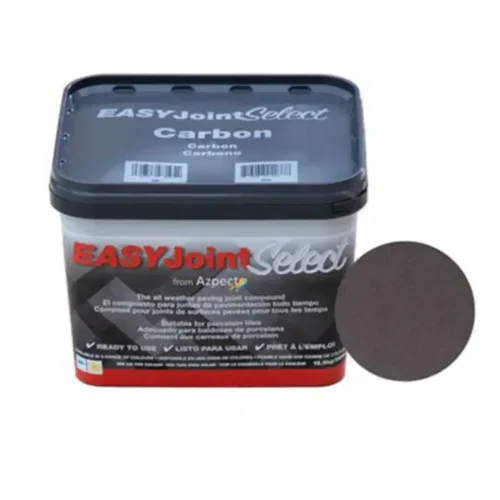
Azpects Easyjoint Select Carbon - 12.5kg Tub
All-weather jointing compound for stone and ceramic paving, carbon, 12.5kg
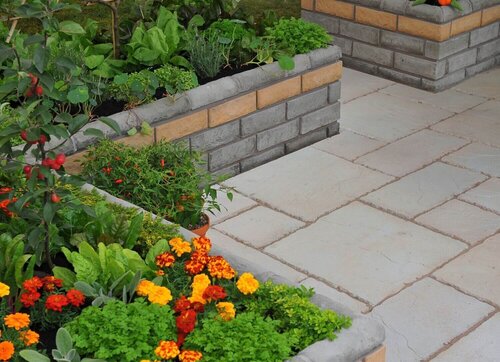
Brett Canterbury Mellow Amber Patio Pack - 5.63m2
Mellow Amber patio pack covering 5.63 square metres.
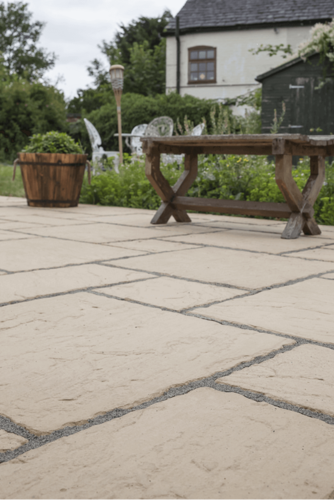
Brett Canterbury Old Cotswold Patio Pack - 5.63m2
Brett Canterbury Old Cotswold Patio Pack
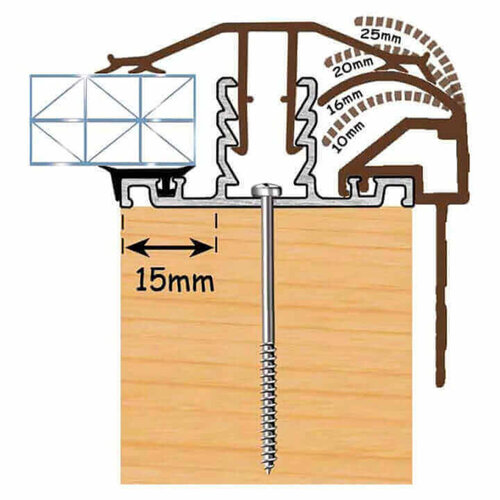
Polycarbonate Sheet Side Bar Flashing - 2.5m White
White polycarbonate side bar flashing, 2.5m
For the Trade
Start with the space and how it’s going to be used, then the rest falls into place. With patio kits, the job usually comes down to coverage, shape and how much cutting you want to take on, not just the finish. If the area is awkward or tight to boundaries, a layout that cuts waste and awkward joints is worth more than a nicer-looking surface on paper. For a straightforward run, patio kits keep ordering cleaner. For a more involved layout, you may give up a bit of simplicity to reduce offcut and avoid problems on site.
Patio Kit Options Compared
The first split is usually between a standard patio kit and a patio slab kit. A standard kit suits a straightforward area where you want the sizes worked out for you and fewer decisions on site. The trade-off is less freedom if the shape changes.
Patio slab kits suit a more slab-led layout and give a cleaner read across the finished area. They are less forgiving when you need to trim around awkward edges. Garden patio kits tend to suit smaller domestic jobs. Trade patio kits make more sense on regular runs, where you want the order to stay simple. If you are comparing this against the rest of Outdoor Projects, it usually comes down to how much layout control you want versus how much time you want to spend matching pieces.
Choosing Materials and Size
For patio kits, it usually comes down to three things: the area you are covering, how much cutting you want to do, and whether the finish needs to sit cleanly with the rest of the hard landscaping.
Larger mixed packs suit bigger runs. They reduce repetition and give you a more broken joint pattern. The trade-off is a less regular look if the job calls for one.
Smaller, simpler packs are easier to work around tight edges. You will usually end up with more offcuts.
If the patio runs into Decorative Stones or meets Fence Posts & Panels, check the edge detail before you order. That is where size mismatches usually show up.
Completing the Setup
Once the patio kits are picked, the next call is how you finish the edges and the run around them. That is where you decide if you need matching fence posts and panels to close off a boundary, or decorative stones where you want a cleaner margin and less loose material tracking back onto the job.
If the spec includes screens, storage or other garden features, sort those at the same time. Leave them until last and you can end up with colour, height or fixing details that do not sit with the paving you have already put in.
Related searches
Local availability for Patio Kits





