Burglar Alarms
Burglar alarms usually come down to how the job’s wired, how much kit you need, and whether the customer wants app control or a simpler setup. A wired burglar alarm suits a fixed install where you can run cables cleanly. A wireless burglar alarm is the quicker answer when access is awkward or you want to avoid disruption. If you’re pricing a house alarm system, check the panel, detectors and sounder arrangement first. The wrong mix is what usually causes call-backs, not the brand on the box.
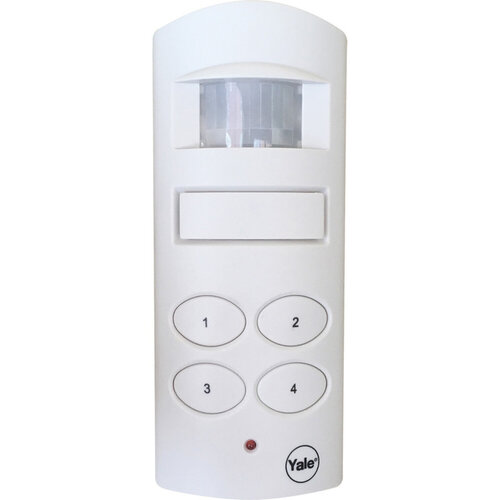
Yale Shed & Garage Alarm
Yale wireless shed & garage alarm, 110dB siren, white
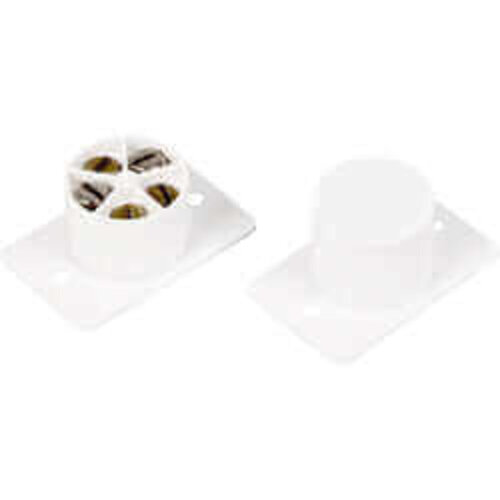
Slim Flush Magnetic Contact
Slim flush magnetic contact for intruder alarm systems
For the Trade
Start with the space you’ve got and how the job will be used, then the rest falls into place. Tight runs, awkward access and a fixed layout usually push you one way, while a quicker fit or a job that may change later points another. That’s where burglar alarms get specified properly. You’re not picking by finish or add-ons first. You’re working from what the site will actually take. A house alarm system with more flexibility can suit a changing layout, while a wired burglar alarm is still the cleaner call where everything is staying put.
Popular Burglar Alarm Formats
If the job is a straightforward fixed install, a wired burglar alarm still makes sense. Once it is in, it stays stable and usually needs less attention for batteries or signal issues.
Where you need a quicker fit, or the layout may change later, a wireless burglar alarm is the better call. The trade-off is battery checks and radio coverage.
A smart burglar alarm suits jobs where the client wants app control and remote alerts. If those features will not get used, it is hard to justify the extra cost.
For the full range, start at Alarms & Sensors and narrow it from there.
Key Differences When Choosing
Most jobs come down to how much of the system you need in one go, and what the site will tolerate later.
A basic house alarm system suits a fixed spec and keeps the parts simple. A smart burglar alarm works better when remote checks or app control are part of the brief. You give up some simplicity for more features.
If you are adding detectors, sounders or spares, Burglar Alarm Accessories is the next stop. If the job also needs life-safety cover, bring in CO, Heat & Fire Alarms rather than trying to force one alarm to do everything.
Next Decisions After Choosing
Once you’ve picked the burglar alarms, the next call is usually what sits around them on the job. That means the panel, any keypad or screen the client wants to see, and the accessories that stop you coming back for a missing part.
If the brief includes other safety points in the same property, it’s worth looking at the CO, heat and fire alarms at the same time. That keeps the order together and avoids the common snag of having the alarm sorted but not the finishing kit.
Related searches
Local availability for Burglar Alarms


