Smart Heating
Smart heating comes down to how much control you need and how the system is set up. A single smart thermostat suits straightforward whole-house control, while smart radiator valves make more sense when you need room-by-room scheduling or want one area to stop dragging the rest of the system around. If the job only needs basic timed control, a programmable thermostat is still the cheaper call and gives you fewer parts to come back to.
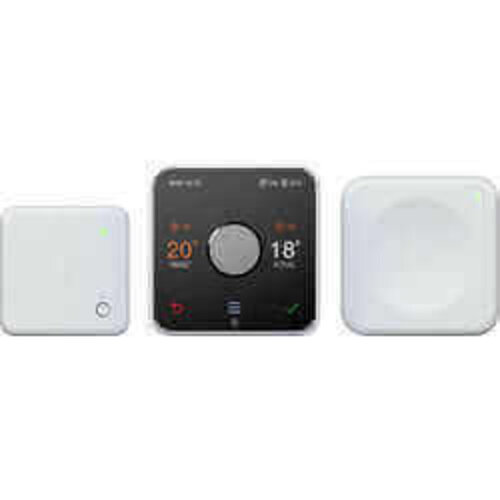
Hive Active Heating Thermostat V3 - Hot Water
White and grey smart thermostat with app control for heating and hot water
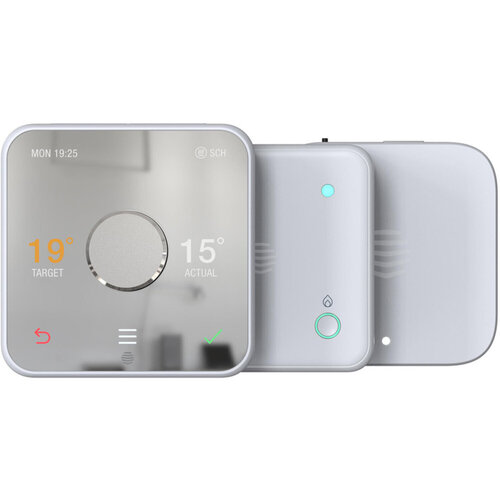
Hive Thermostat V4 - Hub Combi (Opentherm)
Grey Hive thermostat with hub for Opentherm combi boilers
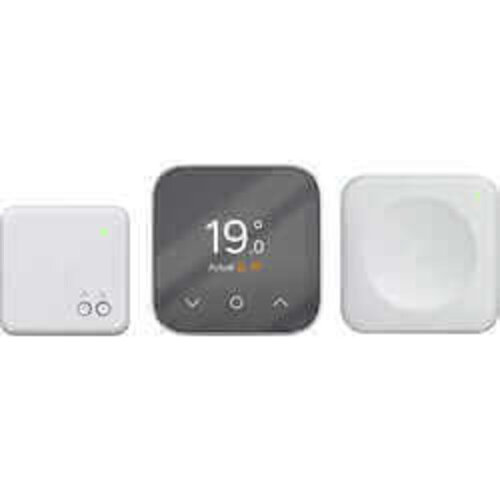
Hive Mini Heating & Hot Water Thermostat
Smart heating & hot water thermostat for conventional boilers, app-controlled
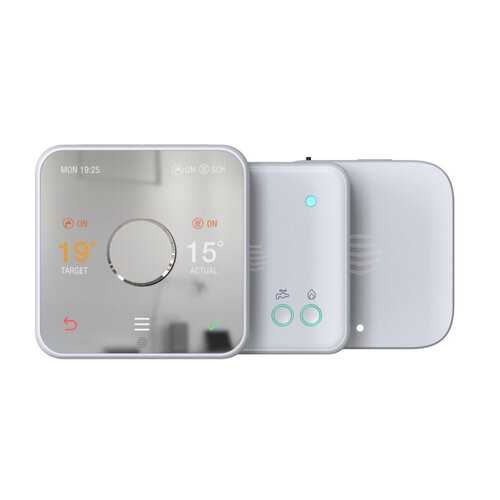
Hive Thermostat V4 - Hub Heating & HW
Grey digital Hive thermostat with hub for heating and hot water control
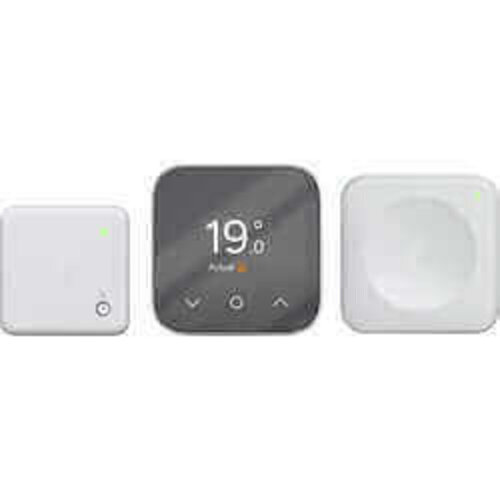
Hive Mini Heating Thermostat Combi
Smart combi boiler thermostat with app control and scheduling
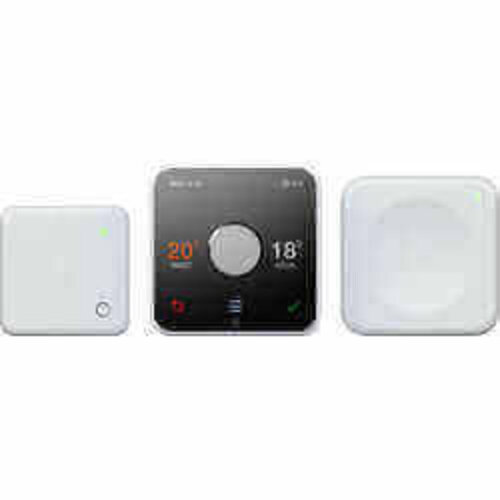
Hive Active Heating Thermostat V3 Combi Boiler
Smart thermostat for combi boilers with app control and voice compatibility
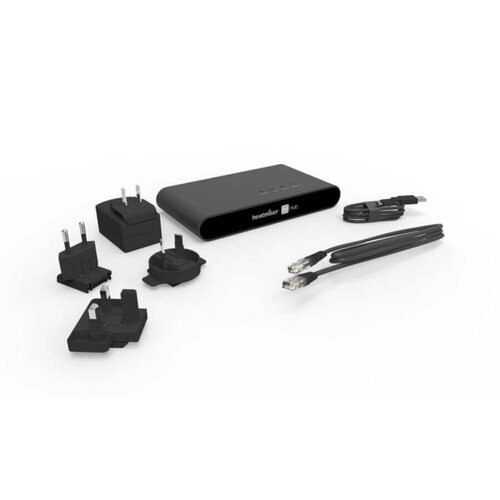
Heatmiser NeoHub Internet Gateway Hub G2 - Black
Black internet gateway hub for Heatmiser Neo system
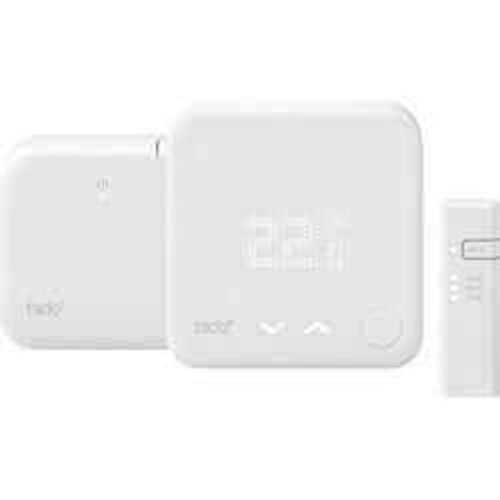
Tado° Wireless Smart Thermostat Starter Kit V3+ with Hot Water Control - Smart C…
Wireless smart thermostat kit with hot water control and geofencing, compatible …
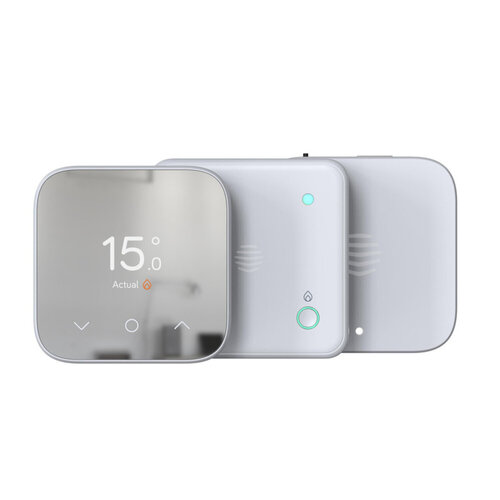
Hive Thermostat Mini V4 - Hub Combi Opentherm
Smart thermostat with hub and app control for system and conventional boilers
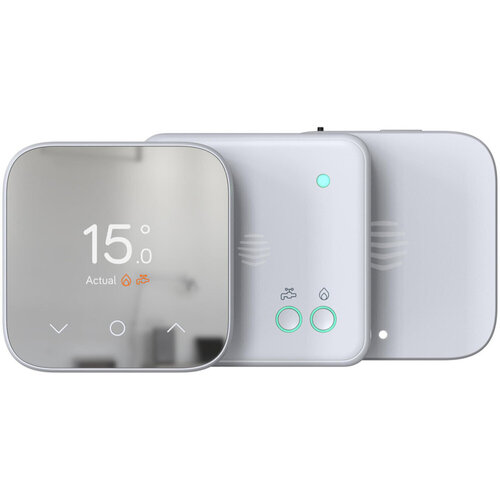
Hive Thermostat Mini V4 - Hub Heating & HW
Smart grey thermostat with hub for app-controlled heating and hot water
For the Trade
Start with the space you’ve got and how the system’s going to be used, then the rest of the spec usually falls into place. Tight plant rooms, awkward access and mixed heating zones all push you one way. A straightforward replacement with a simple schedule points you another. A smart thermostat is the cleaner pick when you want whole-system control with less clutter. A programmable thermostat still makes sense where the job only needs fixed timing and no app control. Most call-backs come from adding too much kit before the layout’s been thought through.
Types of Smart Heating
If you’re keeping it simple, a smart thermostat or smart room thermostat usually covers the job with the least fuss. You control the system from one point, and you’re not adding kit to every radiator. That’s the cleaner option on a straightforward heating setup, but you give up room-by-room control.
Smart radiator valves suit jobs where different rooms need different treatment, or where you’re trying to stop unused spaces being heated for no reason. The trade-off is more parts to fit and more to set up.
Smart heating controls sit between the two when you need more flexibility than a basic programmable thermostat, without going all the way to full zoned control. If you’re matching the rest of the system, it’s worth checking the wider Smart Homes range before you commit.
Selection Factors for Smart Heating
What usually decides smart heating is how much control the job needs and how much kit the system can carry.
A basic smart thermostat is the neatest answer when you want one point of control and a simple schedule. Smart radiator valves make more sense when rooms need different treatment. The trade-off is more devices to fit and manage.
If the job needs wider integration, Smart Electrical is the next stop. If you’re building out a fuller setup from scratch, Smart Home Kits usually save you piecing it together one bit at a time.
Finish the Room
Once you’ve picked the control side, the next call is what else the job needs around it. A neat smart heating install usually comes down to the room finish and how much kit has to be hidden or left accessible.
If you’re keeping it simple, you’ll often only need the control gear and a clean wall finish. Where the spec runs wider, smart electrical and smart home kits are the next stops, but only when they sit in the same control scheme. The jobs that cause grief are the ones where the heating is sorted and the surrounding accessories, screens or storage haven’t been thought through.
Related searches
Local availability for Smart Heating









