Hardboard
Hardboard usually comes down to finish, handling and where it will sit in the job. If you need a thin, flat sheet for lining, backing or a temporary surface, hardboard sheets are often the quicker call. For more body or a different board build, chipboard or MDF may be the better shout. Check moisture before you order. Standard hardboard suits dry conditions, but for damp areas or floor build-ups, the spec matters.
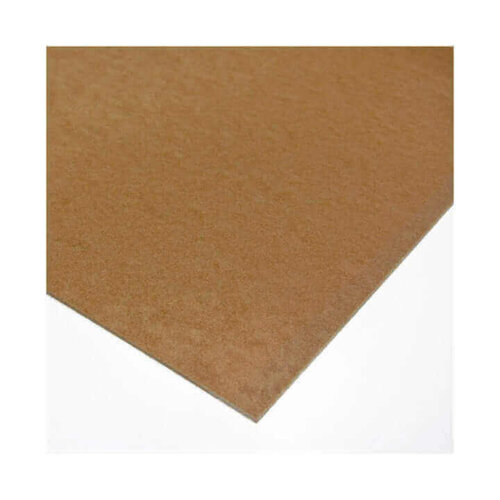
Hardboard Standard - 2440mm x 1220mm x 3.2mm
Standard hardboard sheet, 2440 x 1220 mm, 3.2 mm thick
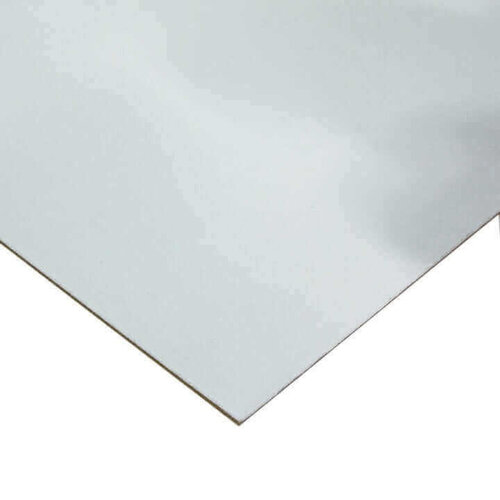
White Faced Hardboard - 2440mm x 1220mm x 3.2mm
White faced hardboard sheet 2440mm x 1220mm x 3.2mm
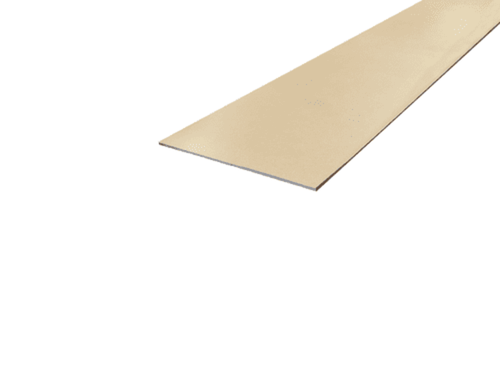
Cheshire Mouldings Hardboard - 1220mm x 610mm x 3m
Hardboard sheet, 1220x610mm, 3mm thick, for furniture backing
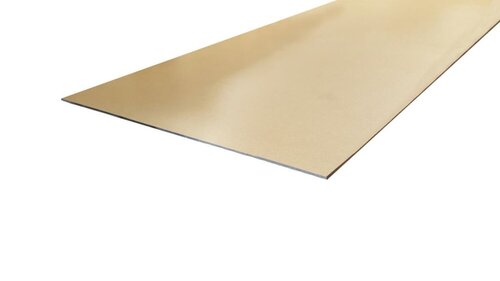
Cheshire Mouldings Hardboard - 1830mm x 610mm
Hardboard sheet 1830mm x 610mm, 3mm thick for building and furniture
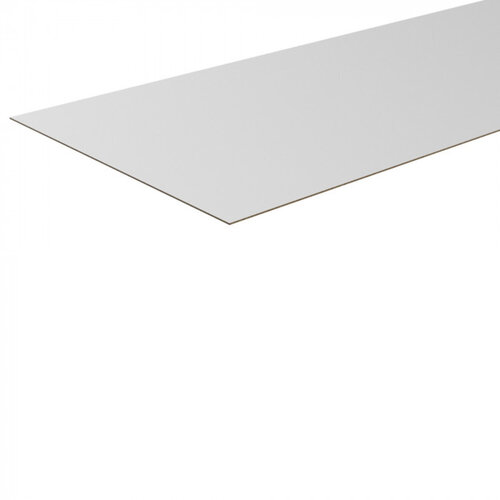
Cheshire Mouldings White Hardboard - 1830mm x 610mm x 3mm
White hardboard sheet, 1830 x 610 x 3mm, pre-finished
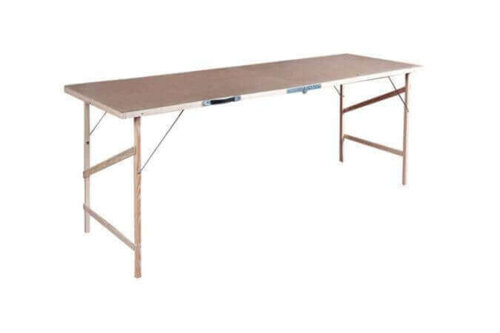
MP Moran Hardboard Paste Table
Hardboard paste table that folds for storage, 1780 x 560 x 740mm
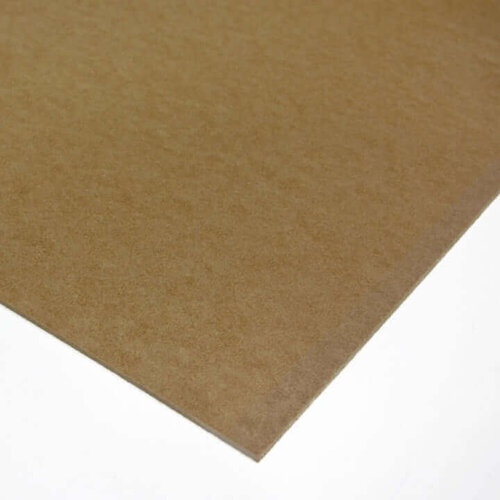
Oil Tempered Hardboard - 2440mm x 1220mm x 3.0mm
Oil tempered hardboard sheet, 2440 x 1220 x 3mm
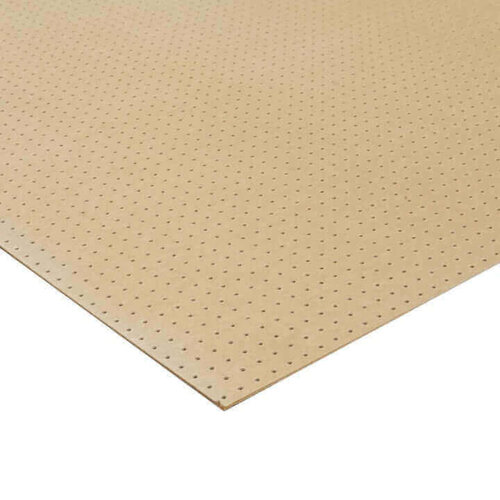
Hardboard Pegboard Standard - 2440mm x 1220mm x 3.0mm
Standard hardboard pegboard sheet 2440 x 1220 x 3mm for storage
For the Trade
Start with the space you’ve actually got and how the board will be used, because that usually settles the job before finish does. In tight access, lighter hardboard sheets are easier to handle and cut in cleanly. If the board is taking more abuse, step up the spec rather than chase the cheapest option. Moisture is the other point that catches people out. Dry internal work is one thing. Once it’s going near a damp area or a floor build-up, the choice changes. That detail saves a call-back.
Hardboard Options Compared
Hardboard sheets suit larger runs where you want fewer breaks. They give cleaner coverage across a span, but they are less forgiving to handle and store.
Hardboard panels work better where access is tight or you are lining a smaller area. You give up some speed on long runs, but you gain easier handling and less waste on site.
If you are matching it with other timber work, keep an eye on the rest of the Timber order as well. The format that saves time is usually the one that fits the load and the cut list without extra handling.
Choosing Materials and Size
Start with the finish you need and how much handling the job will take. A full hardboard sheet cuts joints and speeds up coverage on larger runs, but only if you can move it cleanly and keep it flat.
Smaller hardboard panels suit tight access and work around fixed fittings. You give up speed, and you will spend longer on joints. If the job needs a firmer, more structural board, look at Chipboard. If you need a smoother face for paint or joinery work, MDF is often the better call.
Completing the Setup
Once you’ve settled on hardboard, the next call is what goes around it. For lining jobs, you’re usually looking at the finish board, trims and any adjacent panels that need to sit flush without joints showing through.
Where the run carries into storage or boxing-in, keep the surrounding material consistent so you’re not fighting different thicknesses at the edges. On a lot of jobs, the snag isn’t the hardboard itself. It’s the finish next to it. A mismatch there is what gets noticed first. If the area is being closed in with other sheet materials, make sure the rest of the build is ordered to suit the same line and depth.
Local availability for Hardboard



