CCTV & Surveillance
cctv & surveillance usually comes down to what you need to see, how far the run is, and whether you want a simple swap or a fuller system. Tight areas can be covered with basic monitoring cameras. If you need clearer identification at distance or in poorer light, look at night vision cctv and the right recording setup. Price alone is a poor guide if the image works at the gate but falls apart across the yard.
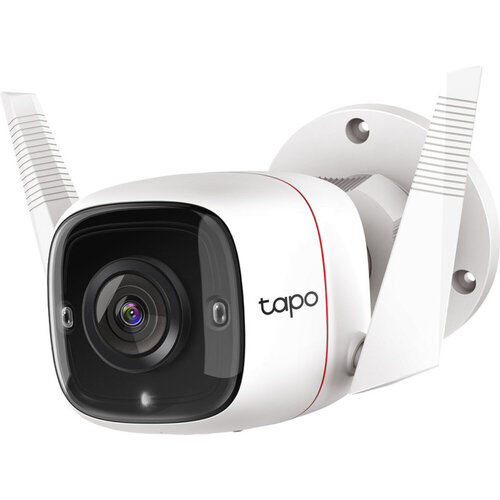
TP Link Tapo C310 Smart Outdoor Security WiFi Camera - 3MP Resolution
Outdoor Wi-Fi security camera with 3MP UHD, 30m night vision, motion detection
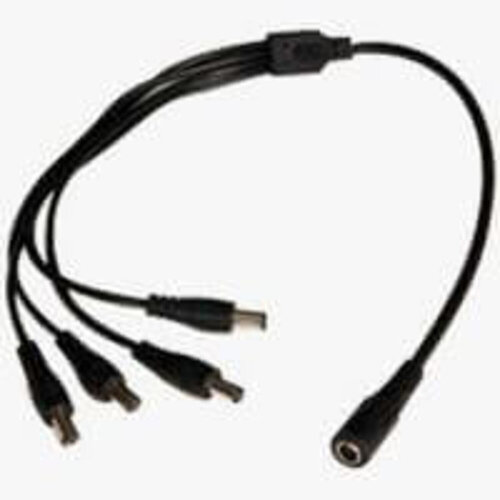
Haydon 4 Way CCTV Splitter Cable for Inline PSU - 2.1mm, 400mm black
4 way CCTV splitter cable for connecting up to 4 cameras to one power supply
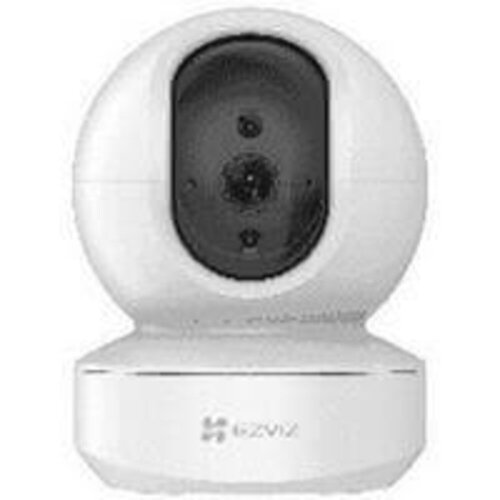
Ezviz Indoor Smart Security PT Camera - 4MP
4MP indoor PT camera with 360° view, IR night vision, and smart tracking
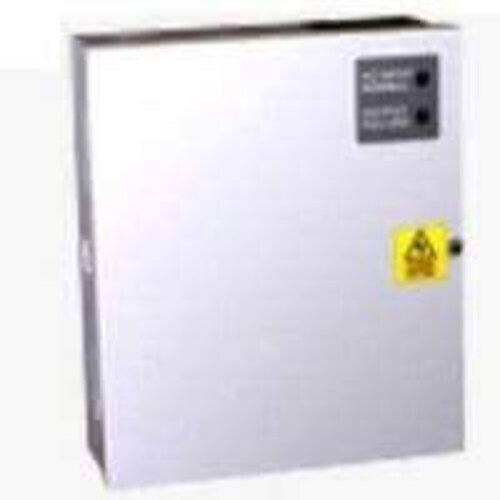
Haydon Switch Mode Boxed PSU - 200mm x 240mm x 75mm, 1 output, 1A, 12V DC
12V DC boxed PSU with 1A output for security applications
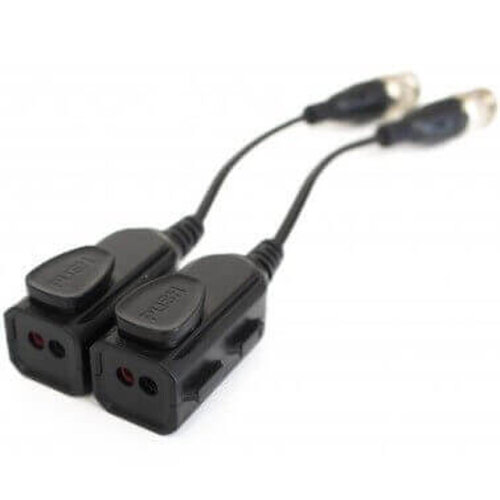
Haydon Single Channel POC Video Balun for Analogue Camera - 2 Pack
Single channel POC video balun for analogue cameras, 2-pack, surge protection
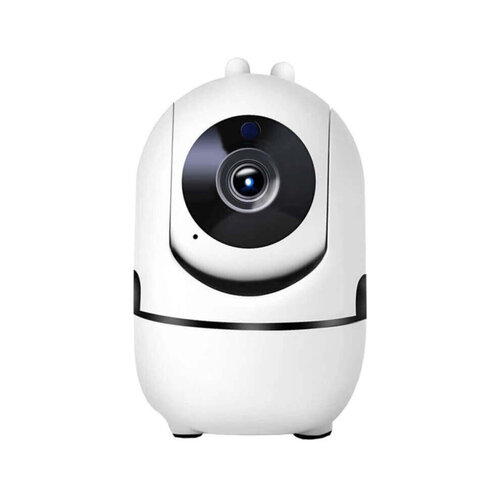
V-TAC 1080p HD Indoor Security IP Camera with WiFi Auto-Track Function
1080p HD indoor IP camera with WiFi and auto-tracking.
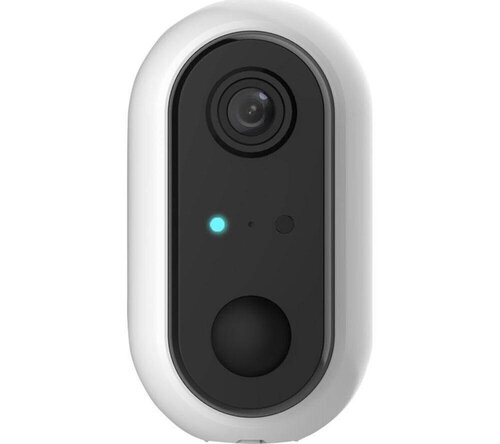
Smart Wireless 1080P Battery Camera with 2 Pcs 18650 Battery ENERJSMART APP - White
Wireless 1080P battery camera with ENERJSMART app, white
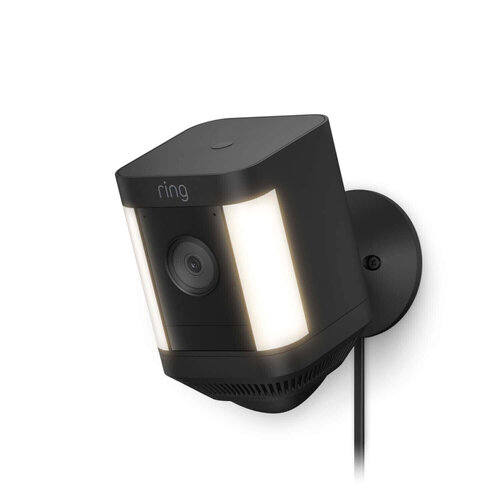
Ring Spotlight Cam Plus Plug-in Outdoor Camera - Black
Plug-in outdoor security camera with spotlights, 1080p HD, and motion alerts
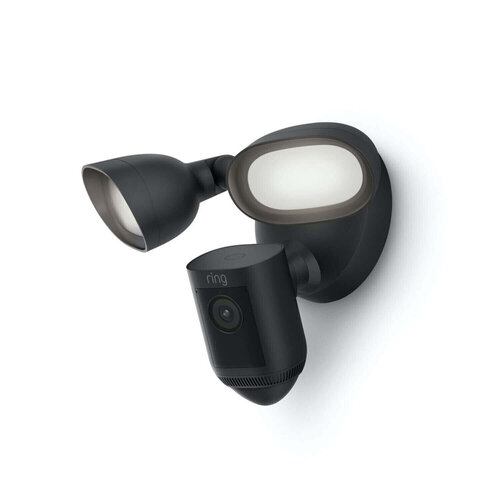
Ring Floodlight Cam Pro Hardwired Outdoor Camera - Black
Hardwired outdoor security camera with floodlights, 1080p HD, and 3D motion dete…
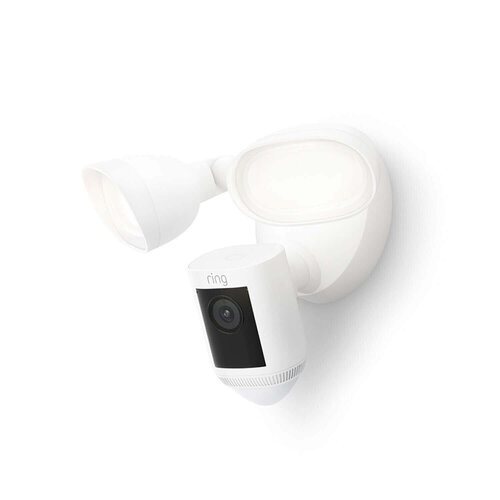
Ring Floodlight Cam Pro Hardwired Outdoor Camera - White
Hardwired outdoor camera with 1080p HDR, LED floodlights, siren and 3D motion de…
For the Trade
Start with the space you’ve actually got and how the system will be used. A small frontage, a long yard, or a single entrance all push you in different directions, and that matters more than finish or extras. On most jobs, the real call is whether you need straightforward coverage, better detail at range, or a setup that can grow later. If you’re buying through Security & Ironmongery, keep the spec tied to the layout first. That’s where most wrong calls start. Once that’s clear, cctv & surveillance is easier to narrow without overbuying.
CCTV Accessories
Accessories come in once the main cctv & surveillance choice is settled and you need to finish the job properly. That means mounts, brackets, junction boxes, power leads, and the parts that stop the last stage turning into a bodge.
If you’re matching existing monitoring cameras, check the fixing pattern and cable route first. That is where most delays come from.
Choose the accessory that suits the camera and the run, not the cheapest loose part. A mismatch usually means extra call-backs. If you’re still building the system out, keep CCTV Accessories separate from cameras and recorders so you only buy what the install actually needs.
CCTV Cameras
Start with what you need the picture to do. If you’re covering a doorway or a short run, a simpler camera is usually enough. If you need usable detail at distance or after dark, you’ll be looking at night vision cctv rather than the cheapest option.
That’s where cctv & surveillance choices split - coverage, image quality and how much detail you need back from the recording. CCTV Cameras are the bit to narrow down once the job is clear, because the wrong spec tends to show up later when the image is there but not much use.
CCTV Systems
For CCTV Systems, the first question is whether you want a single, joined-up setup or you’re still piecing one together. Systems suit jobs where cameras, recording and the rest of the kit need to work as one spec, rather than mixing parts and hoping they match.
That usually saves time on the order and cuts the common mismatch between recorder, camera type and storage. If you only need to replace one part, CCTV Systems isn’t the route to push you toward - stay with the individual camera or accessory lines.
IP Cameras
IP Cameras suit jobs where the kit needs to sit inside a wider cctv & surveillance setup, not run as a simple standalone system. They work well when remote viewing, network recording, or integration with existing IT matters more than keeping the spec basic.
The trade-off is a tighter setup. Compatibility and network configuration matter more than they do with simpler options. If the job only needs straightforward local coverage, the other camera lines are usually the easier fit.
Key Differences When Choosing
For CCTV & Surveillance, the first call is how much detail you need back and how far the camera has to work. A simpler setup is fine where you only need general coverage. Once you need faces, plates or usable evidence at distance, you move up a step and take the extra cost and planning.
Night vision CCTV matters when the job carries on after dark. The picture can still be limited by glare and poor positioning. If you’re finishing the job with Door Furniture, sort the camera view first so you’re not masking the wrong entrance or blind spot.
Next Decisions After Choosing
After you’ve picked the main kit, the next call is what the rest of the job needs around it. On a tidy install, that usually means the right screens, storage and adjacent finishes that keep the equipment protected and the area presentable, instead of leaving loose gear exposed.
If the spec runs into a shared entrance or a controlled access point, look at the surrounding security hardware as well. That’s often where call-backs start - not the camera itself, but the bits around it. Keep the purchase tied to the site conditions and the finish the client expects.
Related searches
Local availability for CCTV & Surveillance