Welders
Welders usually come down to two things first: what you’re joining and how much movement you need around the job. MIG welders suit quicker work on mild steel, while tig welders give you more control where finish matters more. If you need to work away from a fixed bay, portable welders and inverter welders are easier to move. Gasless welders cut out bottle handling, but they do not give the same finish or control as a gas machine.
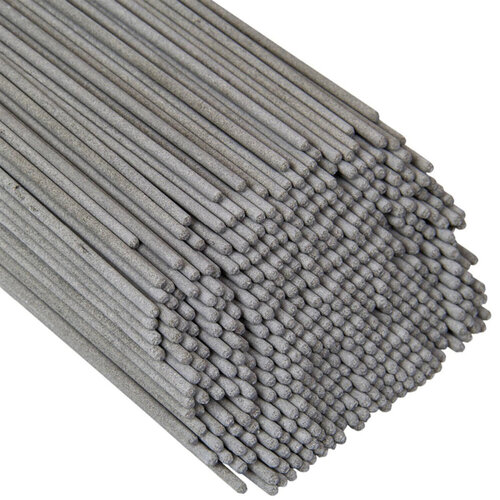
Arc Welding Electrodes E6013 - 3.25mm 5Kg
E6013 arc welding electrodes, 3.25mm, 5kg pack
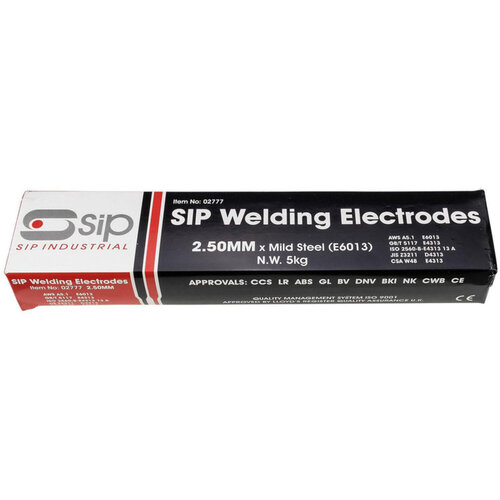
Arc Welding Electrodes E6013 - 2.5mm 5Kg
2.5mm E6013 mild steel welding electrodes, 5kg pack
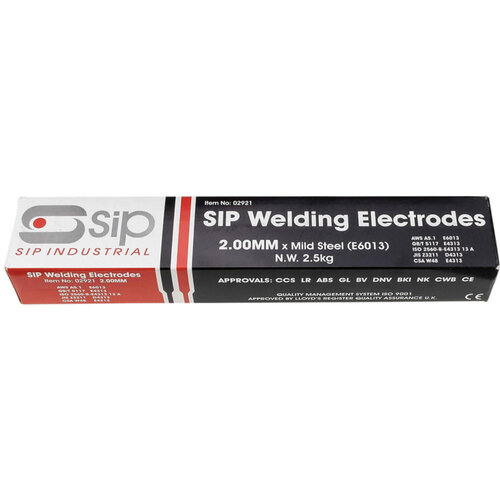
Arc Welding Electrodes E6013 - 2.0mm 2.5Kg
2.0mm E6013 mild steel welding electrodes, 2.5kg pack
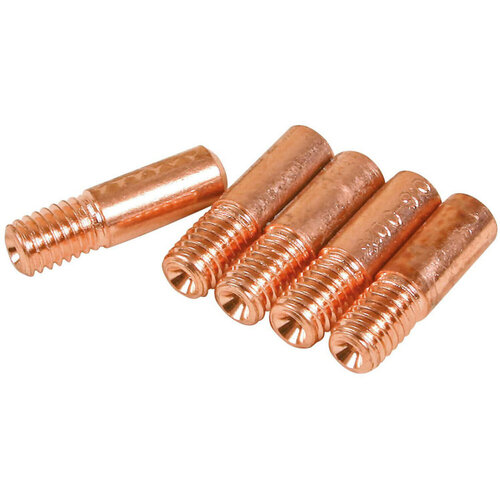
SIP MIG Contact Tips 0.8mm - 5 Pack
Copper MIG contact tips for 0.8mm wire, pack of 5
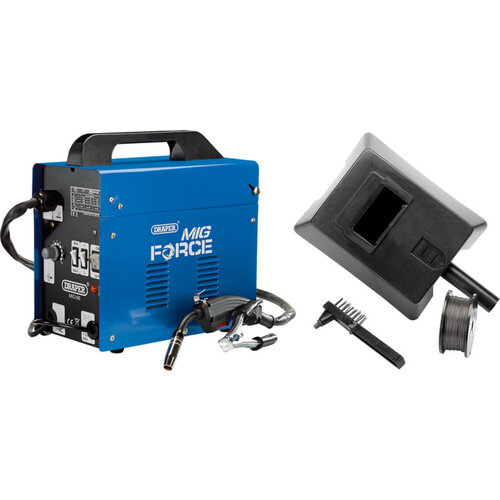
Draper 100A Gasless MIG Welder Set - 230V
230V gasless MIG welder set with flux cored wire for outdoor use
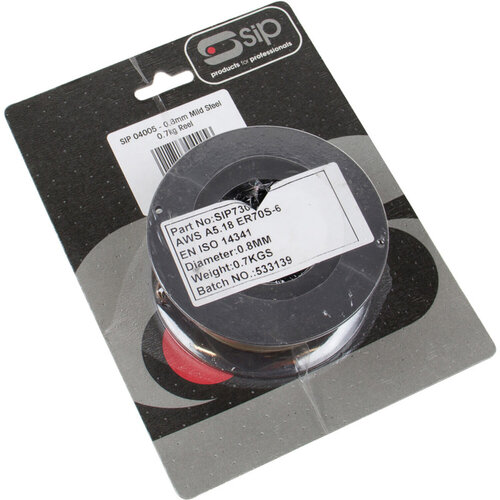
SIP MIG Solid Welding Wire - 0.7kg 0.8mm
0.7kg 0.8mm E70s mild steel MIG welding wire
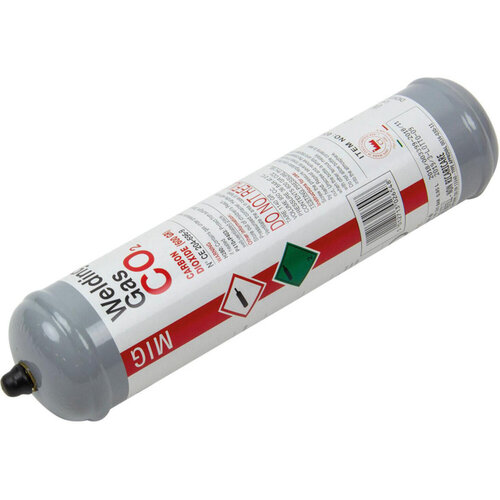
SIP MIG Welding Gas Bottle - CO2 600g
600g CO2 gas bottle for MIG welding
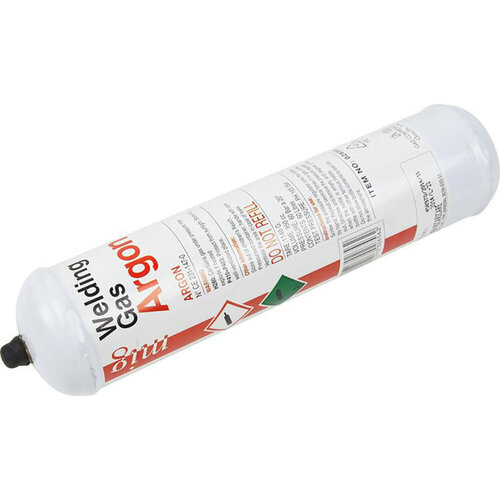
SIP MIG Welding Gas Bottle - Argon
Argon MIG welding gas bottle
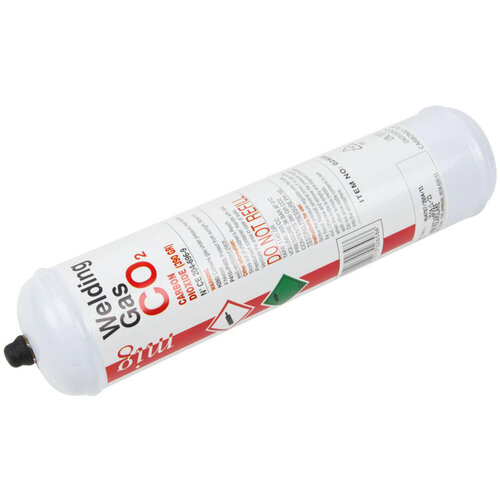
SIP MIG Welding Gas Bottle - CO2
CO2 MIG welding gas bottle with steel cylinder
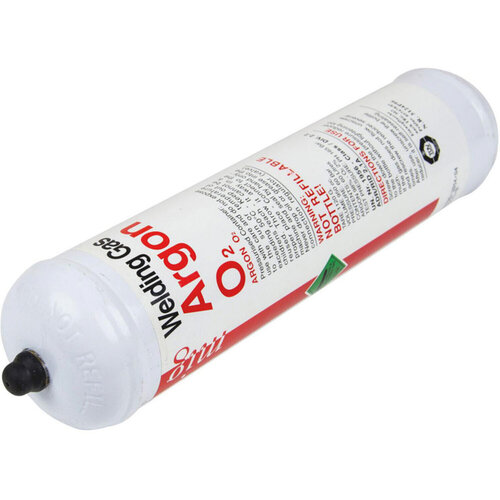
SIP MIG Welding Gas Bottle - Argon/CO2 390g
390g Argon/CO2 MIG welding gas bottle
For the Trade
Start with the space you’ve got and how you’ll use it, because that usually decides more than finish or extras. A compact bay, a van, or a bench with awkward access points you towards portable welders and inverter welders. A fixed workshop with regular heavier work usually justifies a larger welding machine. Gasless welders can save you the bottle, but you give up some control and finish, so they suit rougher repair work rather than neat fabrication. Once that’s clear, you’re just matching output and duty to the job.
Welder Options Compared
Most welders come down to the finish you need and how much control you want. MIG welders are the usual pick for general fabrication when speed matters and you want less faff. Tig welders suit cleaner work where you need a neater bead and can work at a slower pace.
Arc welders still earn their keep on heavier repair work and less forgiving material. They are not the first choice if you want a tidy finish. Inverter welders suit jobs where a lighter welding machine is easier to move around, though you usually pay more for that convenience.
Gasless welders fit when you want to work without gas. Portable welders make sense when the set needs to move with you. Mechanic's Tools is where you can step back and compare the rest of the kit around the job.
Choosing Materials and Size
Start with what you’re welding and how much control the job needs. MIG welders suit general fabrication and quicker turnaround. Tig welders make more sense when the finish matters and you can work slower.
If you move between jobs or work in awkward access, inverter welders and portable welders are easier to handle. You give up some bulk and duty cycle compared with larger machines. Gasless welders cut out gas bottles, but they are not the first choice for every finish.
If you already run a compressor for other kit, check Air Compressors and Air Tools alongside the welder rather than buying in isolation.
Completing the Setup
Once you’ve picked the welders, the next call is what the job needs around them. If you’re setting up a bay properly, think about screens, extraction, storage and the bits that keep the area workable, not just the machine itself.
A tidy bench and somewhere safe for leads, torches and consumables saves time and keeps kit from going missing between jobs. Where you’re working near other trades, screens and the surrounding finishes matter as much as the welder choice, because the wrong setup causes complaints long before the weld does.
Related searches
Local availability for Welders




