Urinals
When you are choosing urinals, the first checks are space, usage and cleaning access, not the fitting itself. Wall mounted versions keep the floor clear and are the usual pick where housekeeping matters, while floor standing options can suit heavier use or awkward wall conditions. Waterless models are worth a look where water use is being cut back, but they need the right maintenance regime or they become a nuisance. Stainless steel is the tougher call for vandal-prone jobs. Ceramic gives you the more familiar finish.
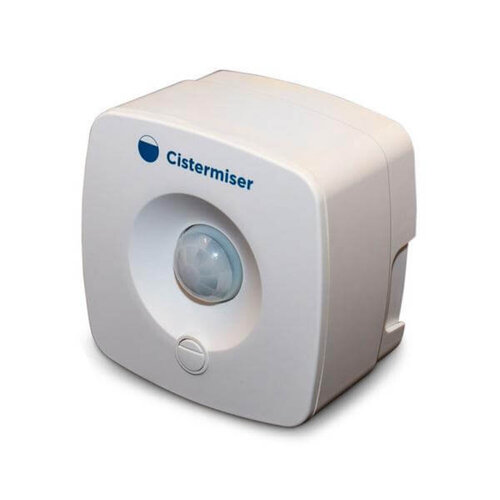
Cistermiser IRC Urinal Flushing Infrared Control Valve
Infrared urinal control valve with motion sensor for automatic water supply.
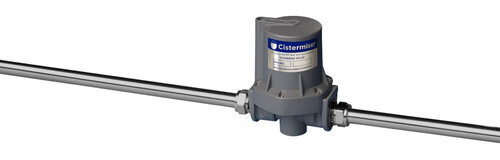
Cistermiser Urinal Standard Hydraulic Flush Valve
Automatic hydraulic urinal flush valve – no electrical supply or batteries neede…
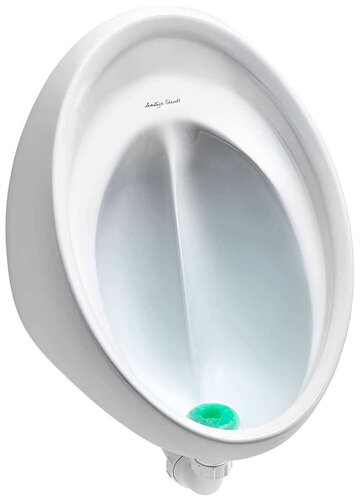
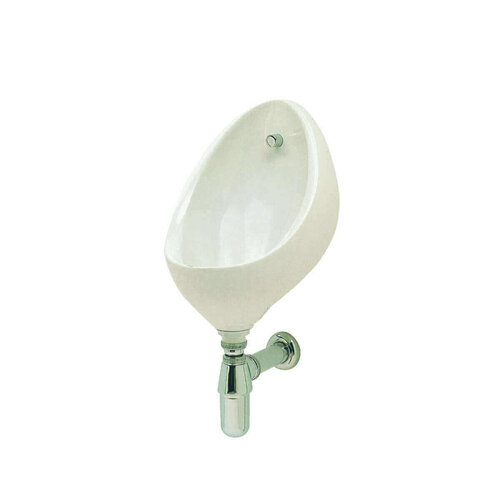
Ideal Standard Sanura HY Urinal 50 Waterless No Spreader Hole - White
Waterless urinal, white, with 7,000-use cartridges and concealed connections
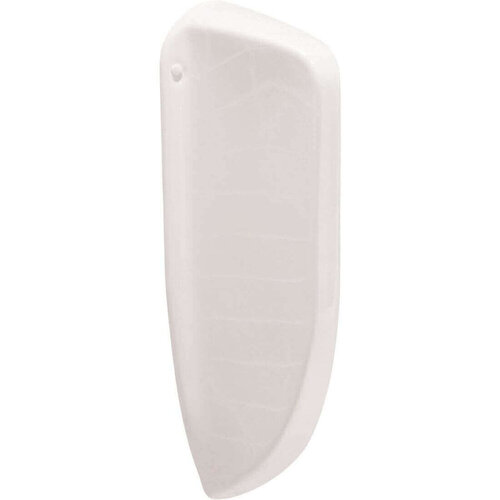
Ideal Standard Urinal Partition
White vitreous china urinal partition, includes fixings, for Contour Hygeniq uri…
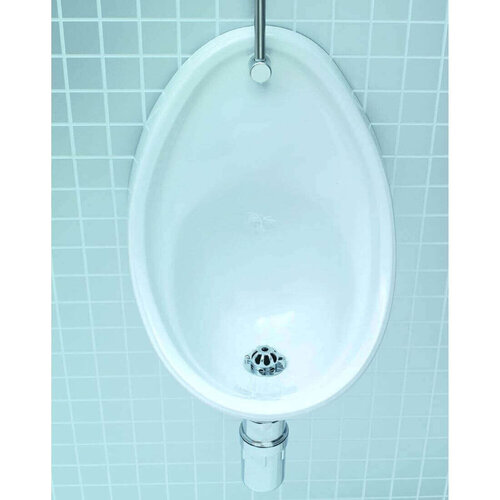
Lecico Atlas Pro Exposed Urinal Bowl - 50cm White
Wall hung exposed urinal bowl for commercial and leisure settings
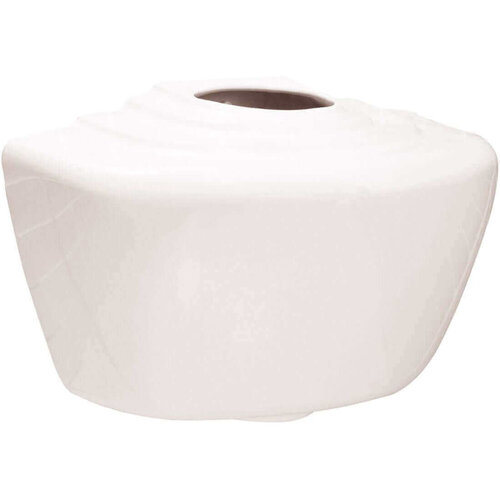
Atlas Pro Urinal Header Tank - 4.5L White
4.5 litre white urinal header tank with autosyphon
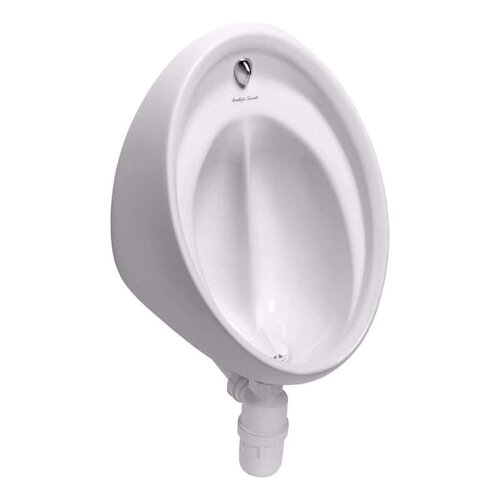
Ideal Standard Armitage Shanks Sanura 21 Hygeniq Bowl Urinal - 500mm White
White urinal with 90% splash reduction, wall-mounted, 500mm
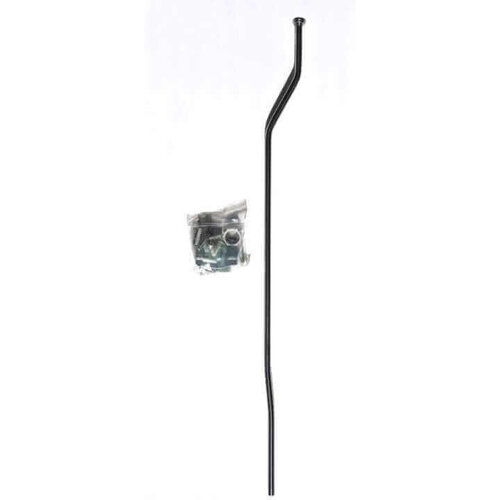
Atlas Pro 1 Bowl Urinal Pipework + Brackets
Pipework and bracket kit for single bowl urinal installation.
For the Trade
Start with the room count, the cleaning regime and how much fixing space you’ve actually got. That usually decides more than the fitting itself. In busy public toilets, keep the run simple and the maintenance predictable. On lighter-use jobs, you’ve got more room to flex the spec. If the client wants lower water use, that changes the conversation again. You still need to think about waste layout, service access and how often the site will take abuse. That’s where the wrong choice gets called back.
Urinal Types and Layouts
The first split is usually between wall-hung urinals and floor-standing types. Wall-hung suits jobs where you want the floor clear for cleaning and the pipework can run where it needs to. The trade-off is a sound wall and accurate setting-out.
Floor-standing comes in where the wall will not take the load or the drainage is already set low. It uses more floor space and takes longer to clean around.
Waterless urinals are the option when water use and running cost matter more than a traditional flush. They still need the right maintenance regime.
If you are matching a wider Commercial washroom scheme, urinal accessories and partitions are usually the next call. That is where privacy, control and servicing details get sorted.
What to Check Before You Buy
Material is usually the quickest way to narrow the choice.
For most public toilets, ceramic still does the everyday job well. Go for stainless steel urinals when the spec needs a tougher face and less risk of chipping under hard use.
There is a trade-off. Stainless is heavier to get into place than acrylic on many sites, so access and fixing conditions matter. If the washroom needs matching basins or better air movement around the run, look at Commercial Basins and Commercial Extractor Fans alongside the urinals. Finish and room conditions usually drive the final choice as much as the fixture itself.
Useful Alongside Urinals
Once the urinals are chosen, the next decisions are the parts that keep the job from coming back. Urinal screens and partitions add separation and cut splash where the layout needs it. The flush system has to suit the cleaning regime and the water use the client will actually stick to.
Check the waste fittings early as well. A poor match there causes most call-backs. If the room is being finished properly, the surrounding wall finish and storage for consumables usually get picked at the same time, because access and maintenance matter just as much as the fixture itself.
Related searches
Local availability for Urinals