Finger Protectors
Finger protectors come down to where the pinch point is and how much use they’ll take. For lighter internal doors, plastic finger protectors are usually the economical pick. If the opening gets hard use or the spec calls for a tougher face, metal finger protectors make more sense, though they’re less forgiving to handle. Soft close finger protectors suit jobs where you want a gentler close. Child safety finger protectors fit where small hands keep finding the gap.
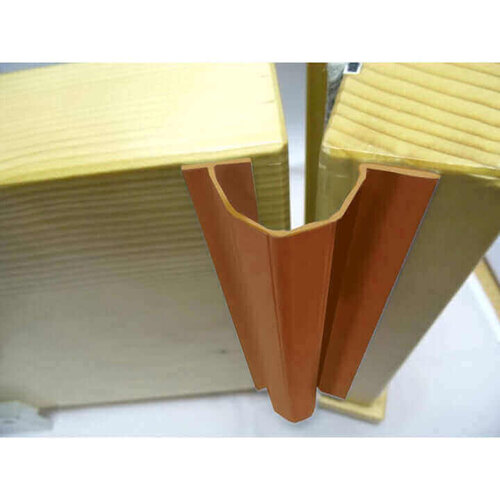
Little Fingers Rear Hinge Cover - 1.95m Brown
Brown 1.95m rear hinge cover for finger protection
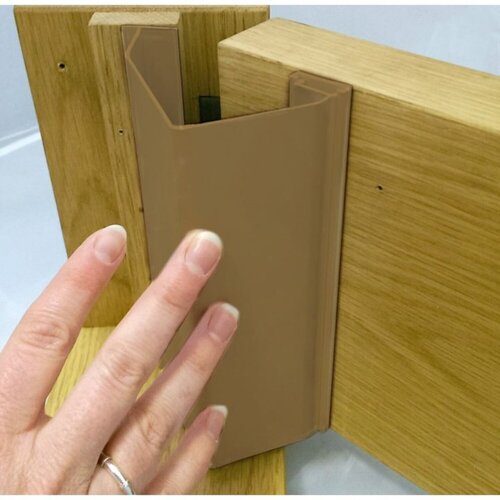
Little Fingers Finger Protector - 1.95m Brown
Brown 1.95m finger protector covers door gaps to help prevent trapped fingers
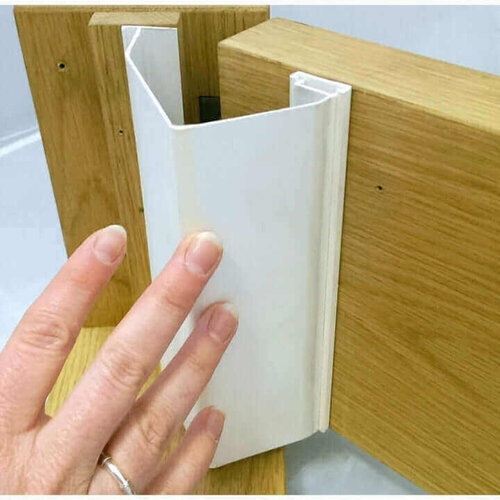
Little Fingers Finger Protector - 1.95m White
White finger protector to prevent entrapment in door gaps and hinges.
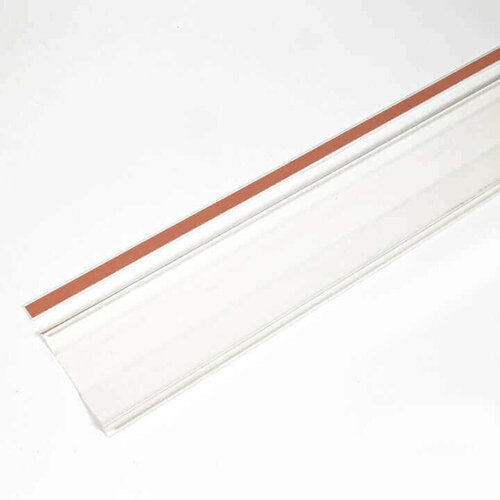
Little Fingers Rear Hinge Cover - 1.95m White
White rear hinge cover, 1.95 metres long, for finger protection.
For the Trade
You’re usually choosing finger protectors on three things: where the pinch point sits, how much use the opening gets, and whether you need a softer or tougher finish. Call-backs usually come from strips that do not suit the door edge or leave too much gap at the closing side. Plastic finger protectors are the economical pick for standard internal work. Metal finger protectors make more sense where the opening takes knocks or you want a firmer guard. Soft close finger protectors suit controlled closing, but they are not the answer where the door is being slammed all day.
Finger Protector Types and Layouts
The first split is the same one you’d make at the counter. Do you need something for everyday trade use, or are you dealing with a door that needs more control or protection?
Trade finger protectors are the usual pick when you want a straightforward fit and nothing special. Child safety finger protectors suit openings where small hands are the concern.
If the opening takes more abuse, metal finger protectors usually earn their keep, but they are less forgiving on the finish. Soft close finger protectors suit jobs where you want a gentler close. Finger protector strips are the option when you want continuous coverage rather than a single-point fix.
If you’re matching the rest of the ironmongery, check the Hinges range at the same time.
What to Check Before You Buy
Material is the main call here.
Plastic finger protectors are the lighter option. They suit standard internal work when you want something simple to fit and easy to carry.
Metal finger protectors make more sense where the opening gets knocked about. They hold up better, but you give up some ease of handling and add weight on the job. That trade-off shows up straight away.
Material changes how it goes on and how it stands up once it’s in use. If you’re buying alongside other ironmongery, Cabinet Hinges and Door Hinges are the usual next checks.
Useful Alongside Finger Protectors
Once you’ve picked the finger protectors, the next call is what the opening is doing around them. On a busy door or access point, you may need door finger protectors that sit neatly with the existing ironmongery. Where small hands are the concern, child safety finger protectors are the ones to reach for.
Soft close finger protectors suit controlled closing. They are not the answer where the door is getting slammed all day. In practice, the choice is between a neater finish and a tougher guard. Get that wrong, and the profile either gets knocked loose or leaves the pinch point exposed.
Related searches
Local availability for Finger Protectors

