Planers
Planers come down to how much stock you’re taking off, how often you’ll use them, and whether you need to move them around the job. A mains electric planer suits regular site work because it keeps going. A cordless planer is handier for quick trims and awkward access, but you give up run time. If you’re working in one place, a bench planer or planer thicknesser makes more sense. For cleaning up edges and doors, a lighter hand planer is usually enough. Blade quality matters too - a blunt set is what leaves you chasing marks.
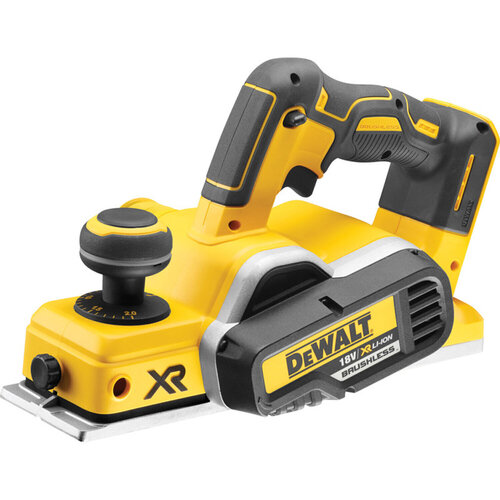
Dewalt DCP580 18V XR Cordless 2mm Brushless Planer - Body Only
18V cordless brushless planer body only, 2mm cutting depth
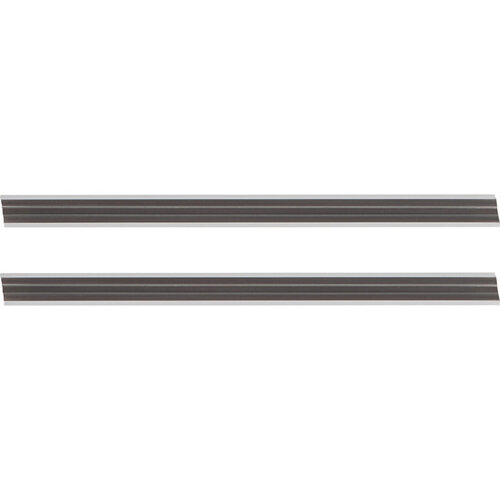
Dewalt HSS Planer Blades - 82mm Pair
Pair of 82mm HSS planer blades for corded and cordless planers
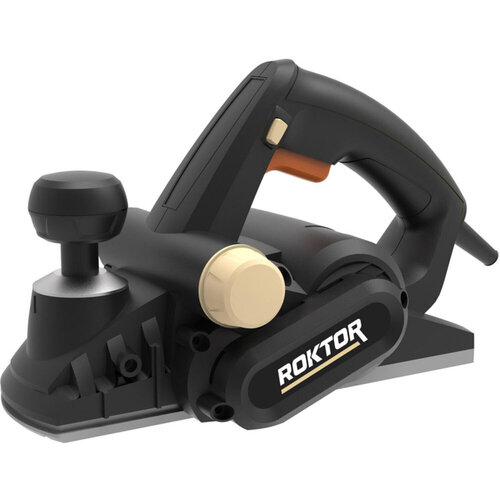
ROKTOR 900W 3mm Electric Planer - 230V
900W corded electric planer with 3mm cutting depth and dust extraction
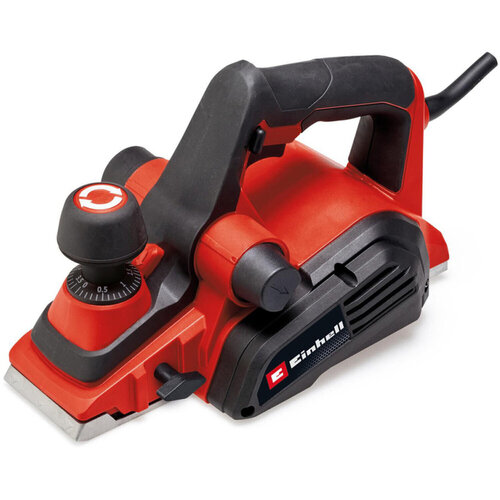
Einhell 920W 82mm Planer - 230V
Corded 920W electric planer with 82mm planing width and 3.5mm max cut depth
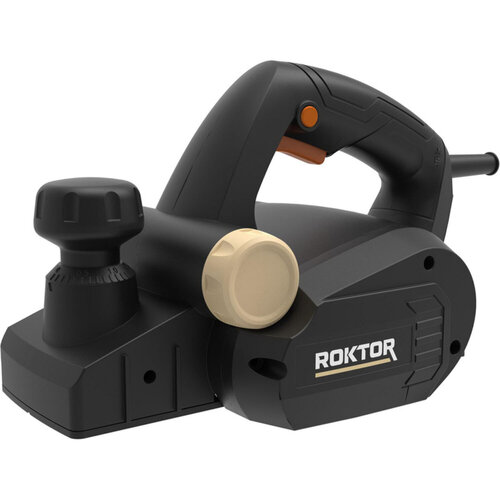
ROKTOR 650W 2mm Electric Planer - 230V
650W corded electric planer with 2mm cutting depth and aluminium base
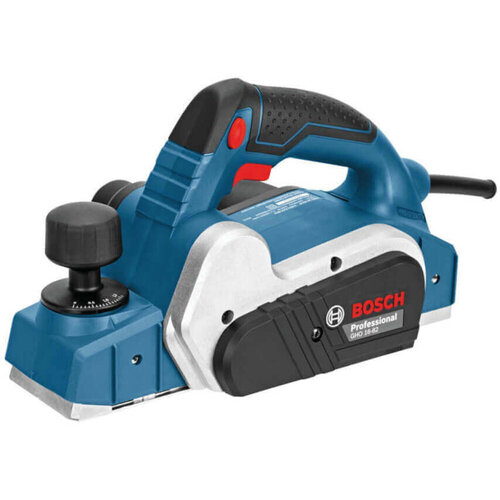
Bosch GHO 16-82 D Planer - 240V
240V professional planer with 630W motor, 82mm width
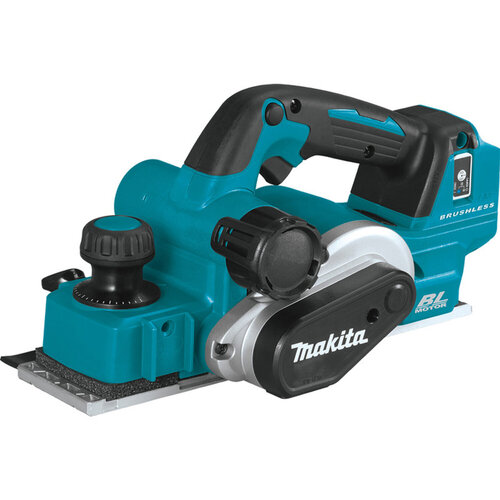
Makita 18V LXT Brushless 82mm Planer - Body Only
Makita 18V cordless brushless planer with 82mm width and 3mm depth
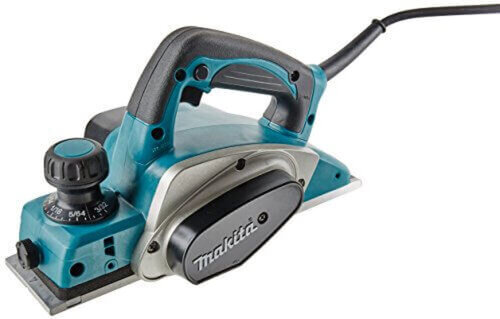
Makita KP0800 Planer - 230V
230V corded planer with 4 amp motor and 3-1/4 inch cutting width for fast stock …
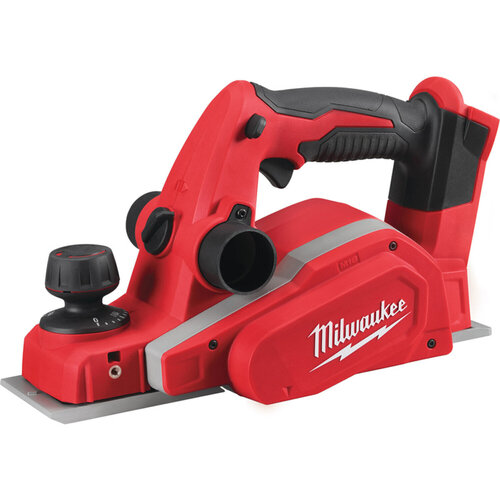
Milwaukee M18BP Planer - Body Only
Cordless 18V planer, 82mm width, 14,000rpm motor, body only (batteries not inclu…
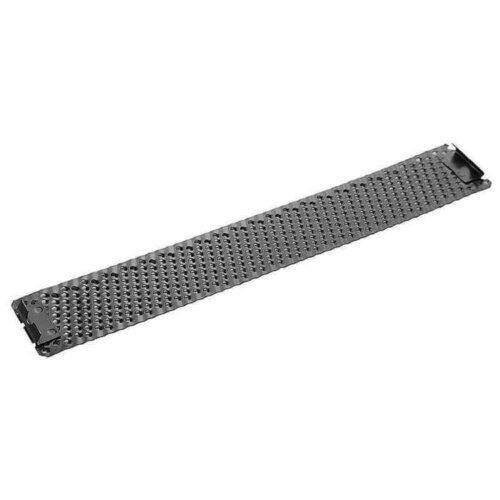
Tolsen Replacement Blade for Planer
250mm carbon steel replacement planer blade
For the Trade
What decides the spec is the cut you need, the space you’ve got on site, and whether the job stays at the bench or moves round the building. A cordless planer is the one to reach for when access matters more than long run time. An electric planer suits repeat trimming where you want consistent feed and less battery management. A bench planer or planer thicknesser makes sense when you’re setting up in one place and need to process timber to a fixed size. A hand planer still has a place for the odd correction where a bigger machine is overkill.
Types of Planers
A hand planer is the one you reach for when you only need to take a touch off and keep control in tight spots.
Cordless planers suit quick site corrections where the lead gets in the way. You gain movement, but you give up some run time and usually a bit of grunt.
A bench planer or planer thicknesser makes more sense when you’re running repeated lengths and want consistency. The trade-off is simple - it stays tied to the bench and takes more room. If you’re matching the tool to the rest of your kit, start with Power Tools and work from there.
Selection Factors for Planers
A lighter wood planer is easier to carry between rooms and up stairs. That makes it the better pick for snagging and quick edge work.
A heavier bench planer or planer thicknesser stays planted better when you’re running repeated lengths. You get less movement through the cut, but you give up portability.
Cordless models give you freedom where power is awkward. You usually lose some run time and a bit of grunt compared with mains electric planers.
If you’re cross-checking against other kit, Angle Grinders and Concrete Breakers are the sort of sibling buys that come up on the same job.
Finish the Room
Once you’ve picked the right planer, the next call is what’s going around the job and what gets finished after the timber is trued up. If you’re working into fitted panels or a screened area, check the finish now rather than after the cut list is done. That’s where you avoid a mismatch at the end.
Storage and waste details matter too. A tidy run is easier to keep moving when offcuts and fixings have somewhere to go. The jobs that go smoothly are the ones where the planer machine is only one part of the order, not the last thing you think about.
Related searches
Local availability for Planers





