Galvanised Nails
Galvanised nails are the usual pick when you need more resistance to weather and damp than bright nails give you. Head style and gauge still do the real work: round head for general fixing, lost head or finish types where you want less to show, and heavier wire when the job needs more holding power. Zinc coated or zinc plated versions sit at the lighter-duty end, so match the nail to the exposure and the finish you’re after.
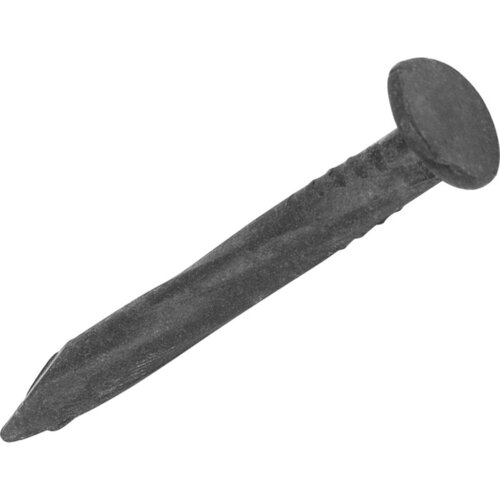
Square Twist Nails Sherardised - 30X3.75MM 1.25KG
1.25kg sherardised square twist nails (30 x 3.75 millimetres) for joist hangers …
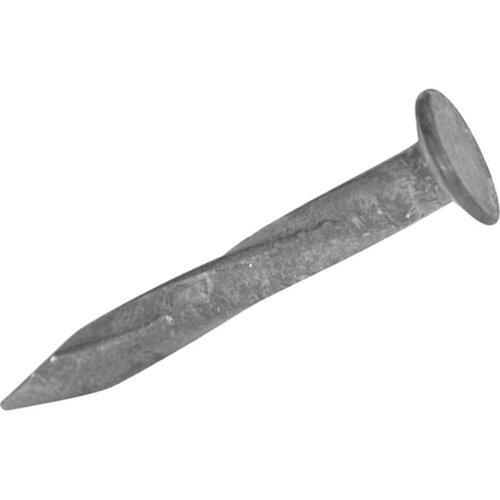
Sheradised Square Twist Nail Pack - 30mm
30mm sheradised square twist nails in 500g bag for general construction and roof…
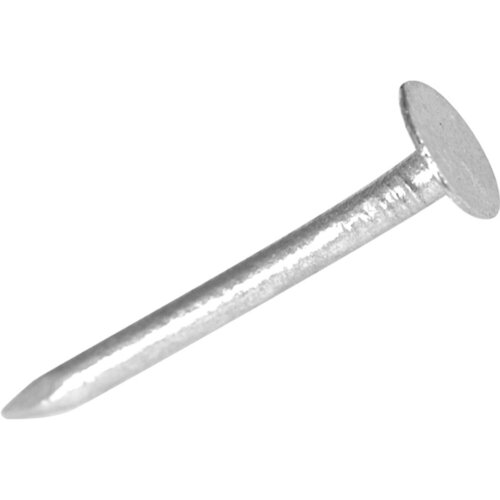
Clout Nail Pack - 30mm
Forgefix 30mm galvanised clout nails (1kg bag)
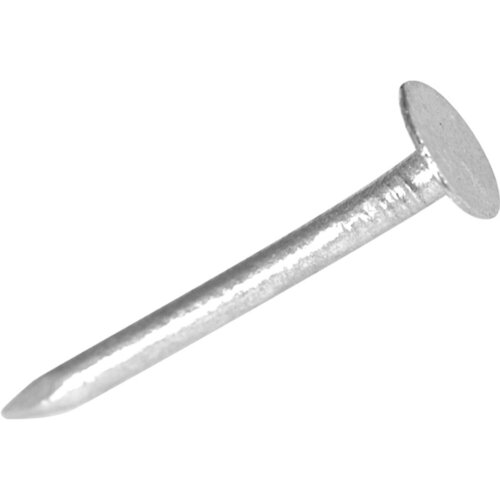
Clout Nail Pack - 50mm
Forgefix 50mm galvanised clout nails (1kg bag)
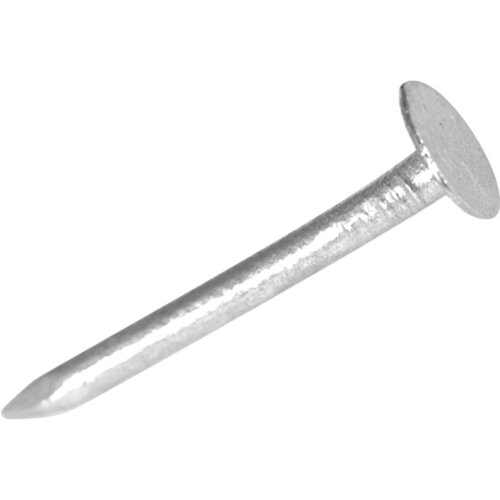
Clout Nail Pack - 40mm
Forgefix 40mm galvanised clout nails (1kg bag)
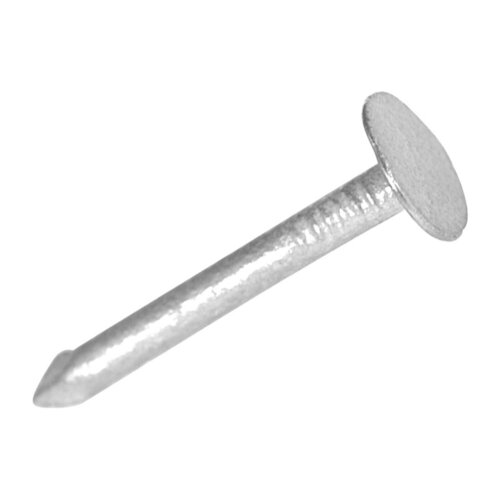
Extra Large Head Clout Nail Pack - 25mm
Extra large head clout nails, 25mm, 1kg bag for roofing and insulation board
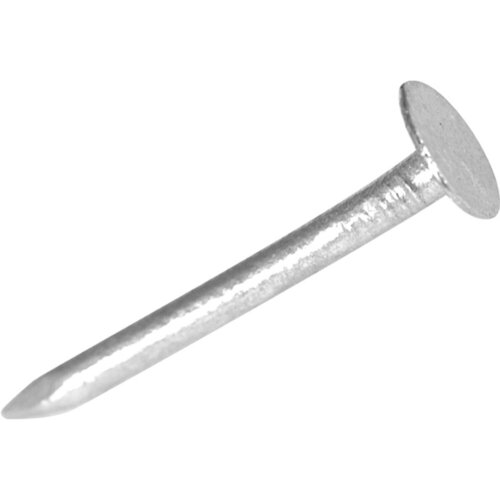
Clout Nail Pack - 60mm
Galvanised clout nails, 60mm, supplied in 1kg bags
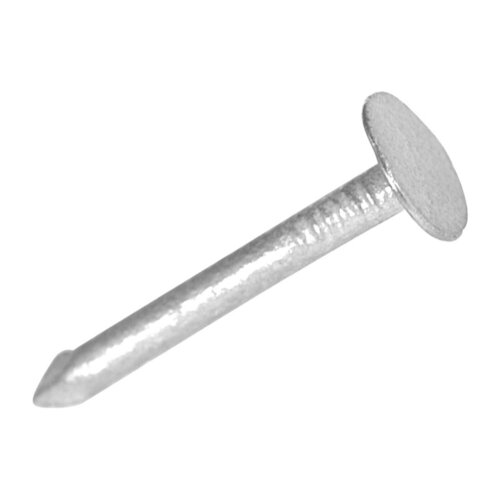
Extra Large Head Clout Nail Pack - 30mm
30mm extra large head clout nails for roofing and insulation board
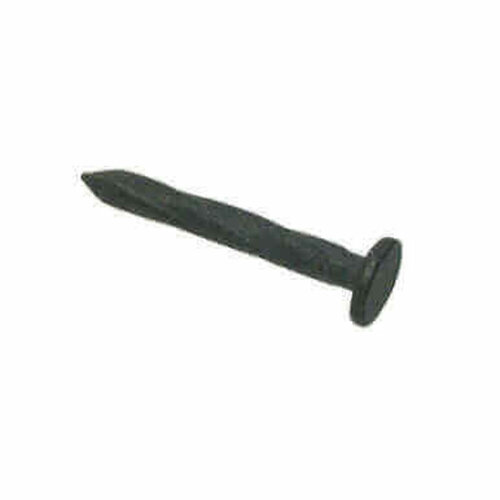
Nails Sheradised Sq Twist - 30mm x 3.75mm
Sheradised square twist nails, 30mm x 3.75mm, 2.5kg tub, corrosion resistant.
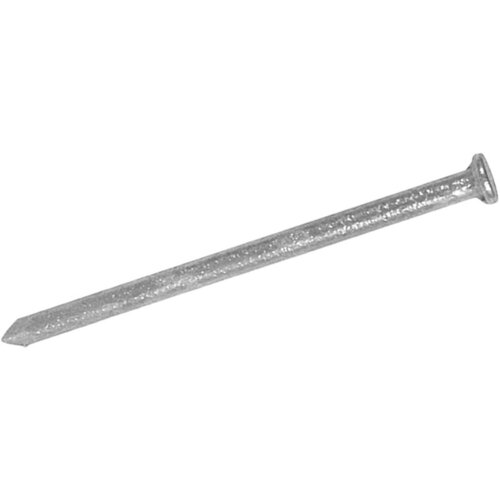
Round Galvanised Nail Pack - 65mm
65mm galvanised nails with diamond point for soft and hard wood, 1kg pack.
For the Trade
If the job is outside or likely to see damp, that’s the first filter. Then narrow it by how much holding you need and how neat the fixing has to finish. Galvanised nails are usually the call when you want more protection than bright nails. From there, the choice comes down to gauge and head style. A heavier wire gives more grip. A finer fixing suits work where the head matters more than brute hold. A lot of call-backs come from using the wrong gauge for the substrate, not the wrong coating.
Types of Galvanised Nails
Start with the head and how much of the fixing needs to show. Galvanised round head nails give a firmer hold, so they suit work where appearance matters less and grip matters more.
Galvanised lost head nails and galvanised finish nails sit less obtrusively. Use them when you want the fixing to stay out of sight.
Galvanised brad nails suit lighter trim work, but you give up holding power compared with fuller heads. Galvanised wire nails are the everyday all-round option, and that is usually where most trades start before moving to a more specific type. For the full range, Nails is the broader category.
Selection Factors for Galvanised Nails
If you’re picking galvanised nails for a job, start with how hard the fixing needs to work and how much handling you want to put up with.
Galvanised steel nails are the one to choose when you want a firmer enamelled face for tougher daily use. The trade-off is weight. They’re heavier to move than acrylic on many sites, so that matters if you’re carrying a lot of stock.
For lighter trim work, Panel Pins are the neater buy. Bright Nails make sense where corrosion resistance isn’t driving the spec.
Finish the Room
Once you’ve picked the fixing, the next call is what else is going into the job. Around external trims, fencing and exposed joinery, you’ll usually keep the rest of the fixings and finishes in the same weathered spec, rather than mixing in bright nails where they’ll stain or rust back.
For lighter trims and visible edges, galvanised brad nails or galvanised finish nails keep the fixing less obvious. Heavier timber work may still need a more substantial nail elsewhere in the job. That keeps the pack choice straight and avoids swapping halfway through.
Related searches
Local availability for Galvanised Nails












