Greenhouses
Greenhouses usually come down to three calls: how much room you’ve actually got, whether you want glass or polycarbonate, and how much headroom you need once benches and staging go in. Smaller frames suit tight plots and lighter use. Walk-in and larger greenhouses make more sense if you’re running a proper growing setup and want room to work. Aluminium frames are the common low-maintenance pick. Glass gives a clearer finish, but it is less forgiving if the site is exposed or handling is rough.
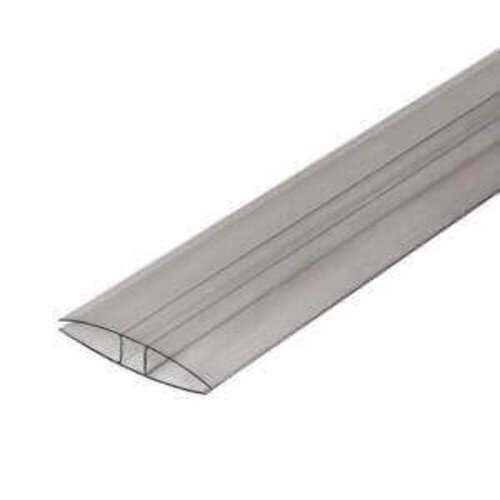
Snapa Polycarbonate H Section - 16mm x 2m Clear
Clear polycarbonate H section for joining 16mm multiwall sheets, 2m length
For the Trade
The first question is what the job needs to do, because that usually sets the spec before anything else. If you need a basic growing space, keep to simpler greenhouses and keep the spend down. If the customer wants more working room, step up a size rather than forcing a cramped frame to do the job. Check access as well. A unit can look fine on paper and still be awkward once you have to get it into position. Look at what is already being used nearby too, because greenhouse accessories often get added later, and it is easier to allow for that now than to fight the layout after the fact.
Types of Greenhouses
Glass greenhouses still suit jobs where you want the clearest light and a traditional finish. Polycarbonate greenhouses make more sense when handling is a concern or the site takes more exposure.
Walk-in greenhouses suit work that needs proper room and easier access for staging. They do take more footprint, and they usually push the spec up.
Trade greenhouses are the better call when the job needs a sturdier, more workmanlike build rather than a light hobby unit. Greenhouse frames matter when you are matching parts or replacing damaged sections, and that detail can save a return.
Once you have settled the format, the rest of the range sits under Garden Buildings if you are comparing it against the wider job.
Selection Factors for Greenhouses
Material and footprint usually decide the job.
Aluminium greenhouses are the common low-maintenance pick. They are lighter to handle and easier to position on site. The trade-off is less heft than heavier-framed options.
Glass greenhouses suit jobs where you want the clearest light and a more rigid face. They can be less forgiving if access is tight or the site is awkward.
Size matters just as much. Small greenhouses keep the footprint down. Large greenhouses or walk-in greenhouses give you the room that stops staging and crop spacing becoming a problem.
If you are planning storage alongside the growing space, Garden Storage is usually the next thing to sort. If the job needs shade or weather cover nearby, Awnings may be the add-on.
Finish the Room
Once the greenhouse is picked, the next call is what else needs to go with it. Shelving, staging and blinds matter when you need the space to work day to day. Heaters and rainwater kits come in when the brief is more than a basic growing space.
If the job needs the accessories, sort them at the same time. Retrofitting later costs time. On a tight site, check access and storage for the parts as well. That is where a lot of jobs get held up.
Related searches
Local availability for Greenhouses

