Chainsaws
Chainsaws usually come down to what you’re cutting, how often you’re using it, and whether you need petrol, mains or battery. Petrol suits heavier work and longer runs. A cordless chainsaw works better when access, noise or quick jobs matter more. A mini chainsaw can save time on light pruning, but it will not replace a bigger saw once you are into thicker timber, where size and bar length start to matter.
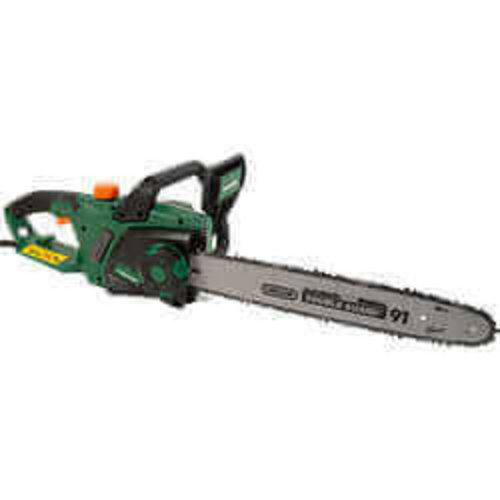
Hawksmoor 2.2kW 40cm Electric Chainsaw - 230V
2.2kW 40cm corded electric chainsaw with 5m cable and low kickback
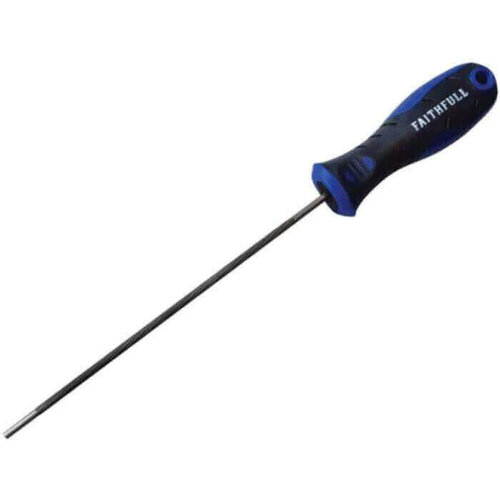
Faithfull Chainsaw File - 200mm
200mm single-cut chainsaw file for sharpening round hooked teeth
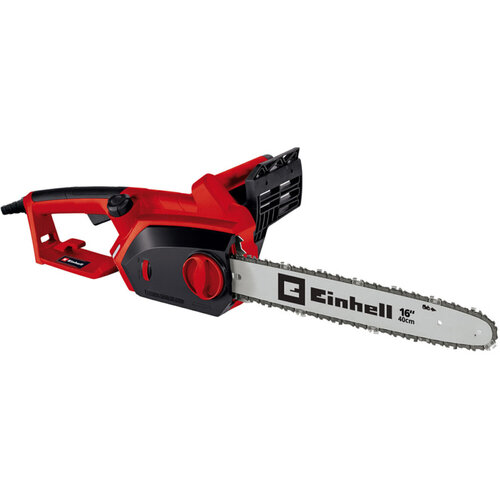
Einhell 2.0KW 37.5CM Electric Chainsaw - 230V
2000W corded electric chainsaw with 37.5cm bar, tool-free chain adjustments
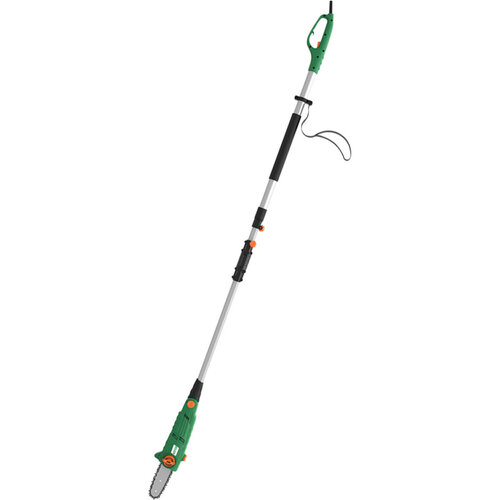
Hawksmoor 750W Electric Pole Saw - 750W
750W corded electric pole saw with 240mm bar and adjustable telescopic pole
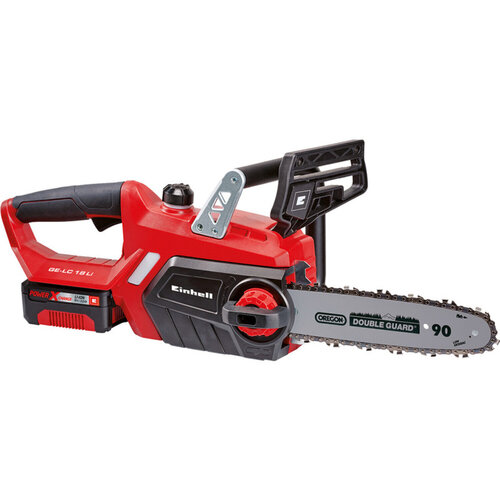
Einhell PXC 18V Cordless Chainsaw 23cm - 1 x 3.0Ah
18V cordless chainsaw with 23cm Oregon bar, includes 3.0Ah battery
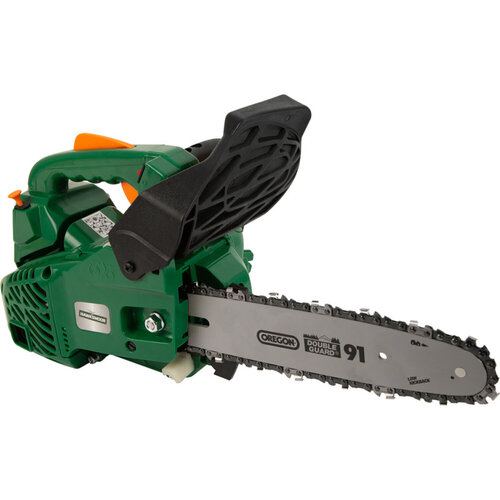
Hawksmoor Top Handle Petrol Chainsaw - 25.4cc 30.5cm
25.4cc 30.5cm petrol chainsaw, 3.8kg
For the Trade
Start with the space you’ve actually got and how the saw’s going to be used, then the rest falls into place. Tight access and lighter work usually point you towards a cordless chainsaw. If you’re cutting all day on site, petrol still earns its keep for grunt and run time. For smaller timber, a mini chainsaw saves weight and fatigue, but you give up reach and capacity. The usual mistake is buying on finish or handle style first, then finding the bar length or balance is wrong for the job.
Chainsaw Options Compared
Petrol chainsaws still make sense when you need longer run time and do not want to manage charging. You get more noise, more servicing and fuel handling to deal with.
A cordless chainsaw suits lighter, stop-start jobs. It is quicker to grab and easier to live with between cuts, but you give up endurance.
A mini chainsaw works for pruning and awkward access where a full-size saw is too much tool. It is not the right pick for regular heavy timber.
If you are buying across the wider Garden Power Tools range, the real question is how much cutting you do in a day and how much weight you are prepared to carry.
Choosing Materials and Size
Size is usually the first call. A mini chainsaw earns its keep where access is tight and you only need a small footprint. You give up reach, and you will be moving up a size sooner on bigger timber.
Step up to a fuller-bodied saw when cut length matters more than handling. The extra body and bar length save time on repeated cuts.
For lighter clearing after the cut, Blowers & Garden Vacs are the next buy. For ongoing site work and mixed kit, Garden Maintenance is where you would usually look next.
Completing the Setup
Once you’ve picked the saw, the next call is what you’re doing with the timber after the cut. If it’s brash and small offcuts, a shredder or a garden maintenance machine may be next. If you’re clearing a site properly, chainsaws usually sit alongside storage, spare chains and sharpening gear so you’re not waiting on a blunt bar.
Blowers and vacs come in when you need to clear the mess fast, but they don’t replace the cutting kit. The jobs that get held up are the ones where the saw is right and the rest of the kit hasn’t been thought through.
Related searches
Local availability for Chainsaws


