Smart Lighting
Smart lighting usually comes down to control and format. A smart bulb is the quick swap when you want app control without changing the fitting. Smart led lights or smart ceiling lights make more sense when you’re replacing the whole point. If you only need dimming or colour change, keep it to the light source. If you’re standardising a room or a run of fittings, the integrated option is usually cleaner.
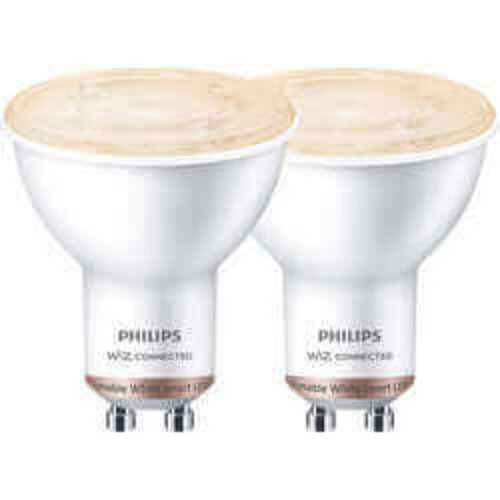
Philips Wiz LED GU10 Tunable White Smart Light Bulb - 4.7W 345lm 2 Pack
Tunable white 4.7W LED GU10 smart bulbs (2 pack), 345lm each, dimmable
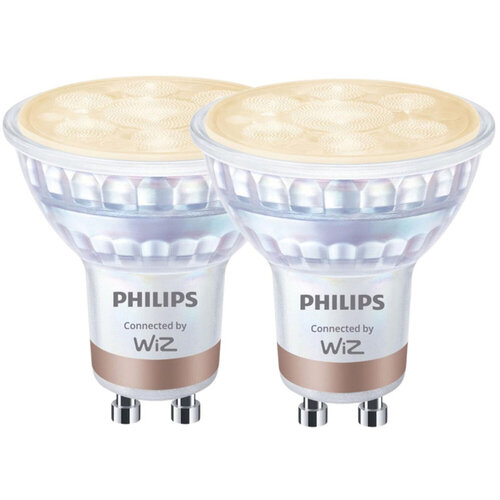
Philips GU10 Dimmable Glass Smart Bulb - Tunable White 4.7W 345lm Twin Pack 2 Pa…
GU10 tunable white smart bulb, 345lm, 4.7W, dimmable, twin pack
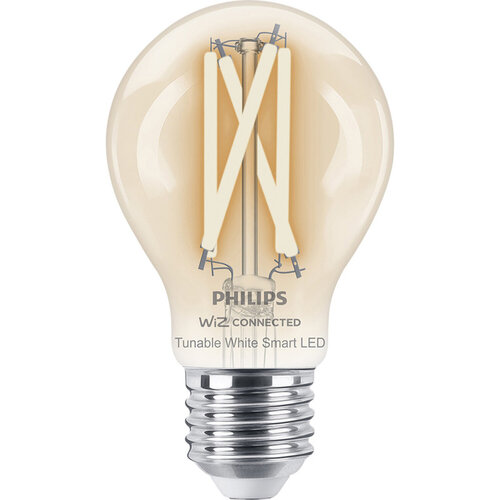
Philips Wiz LED Clear Filament Tunable White Smart Light Bulb - A60 E27 7W
Philips WiZ LED filament bulb, A60 E27, tunable white, 7W
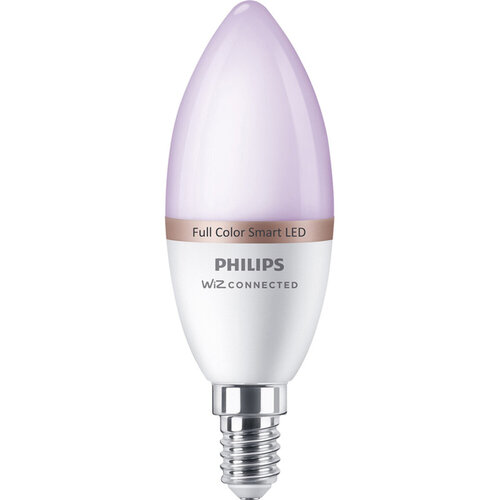
Philips Wiz LED C37 Colour Smart Light Bulb - E14 4.9W
Full-colour smart candle bulb, E14 base, WiZ app control
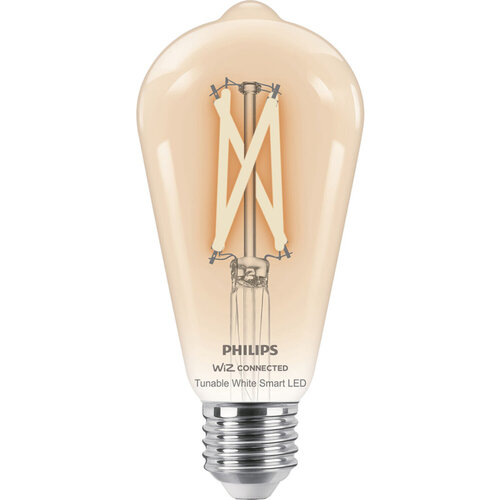
Philips Wiz LED Clear Filament Tunable White Smart Light Bulb - ST64 E27 7W
Philips WiZ E27 7W smart filament bulb with tunable white light
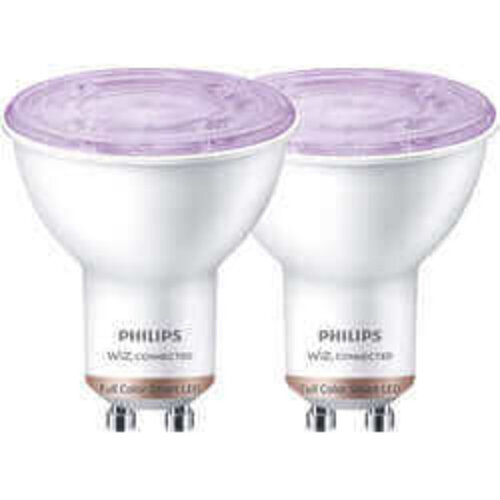
Philips Wiz LED GU10 Colour Smart Light Bulb - 4.7W 345lm 2 Pack
Philips WiZ LED GU10 smart bulb, RGBW, 4.7W, 345lm, 2-pack, IP20
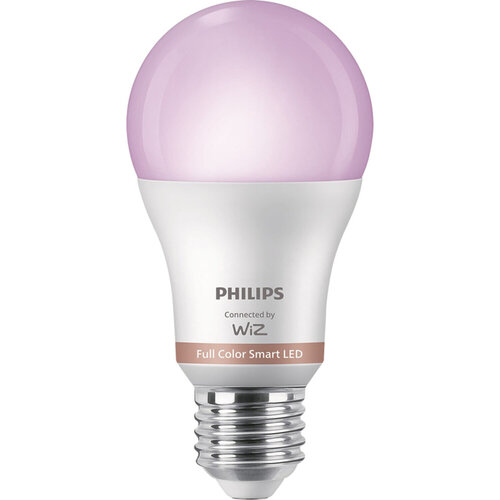
Philips Wiz LED A60 Colour Smart Light Bulb - E27 8.5W 1 Pack
Philips WiZ smart RGBW LED bulb, E27, 8.5W, 1-pack
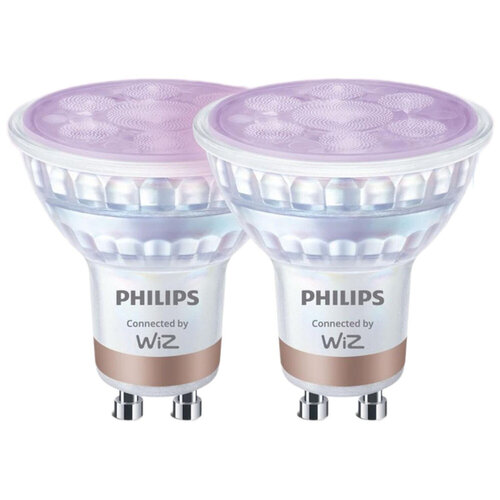
Philips GU10 Dimmable Glass Smart Bulb - RGB 4.7W 345lm Twin Pack 2 Pack
4.7W GU10 RGB smart bulb, 345lm, dimmable, twin pack
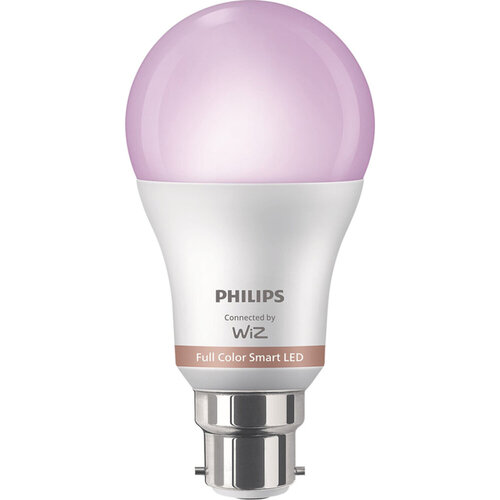
Philips Wiz LED A60 Colour Smart Light Bulb - B22 8.5W 1 Pack
Philips 8.5W B22 smart colour LED bulb with WiZ app and voice control
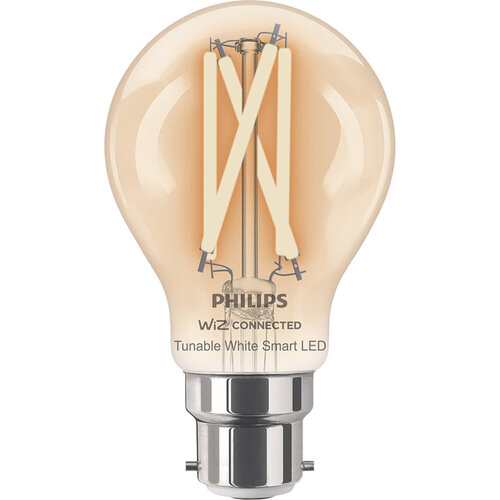
Philips Wiz LED Clear Filament Tunable White Smart Light Bulb - A60 B22 7W
Philips WiZ B22 7W smart filament bulb with tunable white light
For the Trade
Start with the space you’ve got and how the lights will be used, then the rest falls into place. In a tight room or a simple retrofit, a smart bulb usually keeps the job cleaner because you’re changing the control without reworking the fitting. If you’re replacing the whole point, smart LED lights make more sense, but check the layout and finish first before you get drawn into colour options or app features. The call-back jobs are usually the ones where the spec was picked for the gadget, not the space.
Types of Smart Lighting
If you’re choosing smart lighting for a job, the first split is usually between smart led bulbs and full smart led lights.
Bulbs suit a quick change where the fitting stays put and you want app control or dimming without touching the ceiling. They keep the install simple.
Full fittings make more sense when the existing unit is tired, the light spread needs improving, or you want a cleaner finish. The trade-off is clear - you change the whole fitting, not just the lamp.
Colour changing lights suit jobs that need scene control. Smart dimmable lights are the quieter option when you only need better control, without the extra functions.
For a mixed scheme, Smart Homes is where you’d usually check the wider control setup before you order.
Selection Factors for Smart Lighting
The first call is usually how much control the job needs, and whether you are changing the fitting or just the lamp.
A smart bulb is the quick fix where the fitting stays put. It keeps the job simple, but you give up some control over the look and spread.
Full smart led lights suit a tired fitting or a spec that wants a cleaner finish. You take on more time and more disruption, though.
If the job needs app control across other kit, Smart Electrical is the next stop. If the lighting sits inside a wider room control setup, Smart Heating often comes into the conversation too.
Finish the Room
Once you’ve picked the smart lighting, the next call is what else needs finishing around it. On a tidy refurb, that usually means the surrounding plates, any matching controls, and the decorative finish that shows up every gap and misalignment.
If the room sits within a wider smart electrical job, line up the other smart home pieces at the same time. That saves a return visit just to change finishes for one extra device. The lighting can be right, but the room still looks patched if the rest is left behind.
Related searches
Local availability for Smart Lighting






